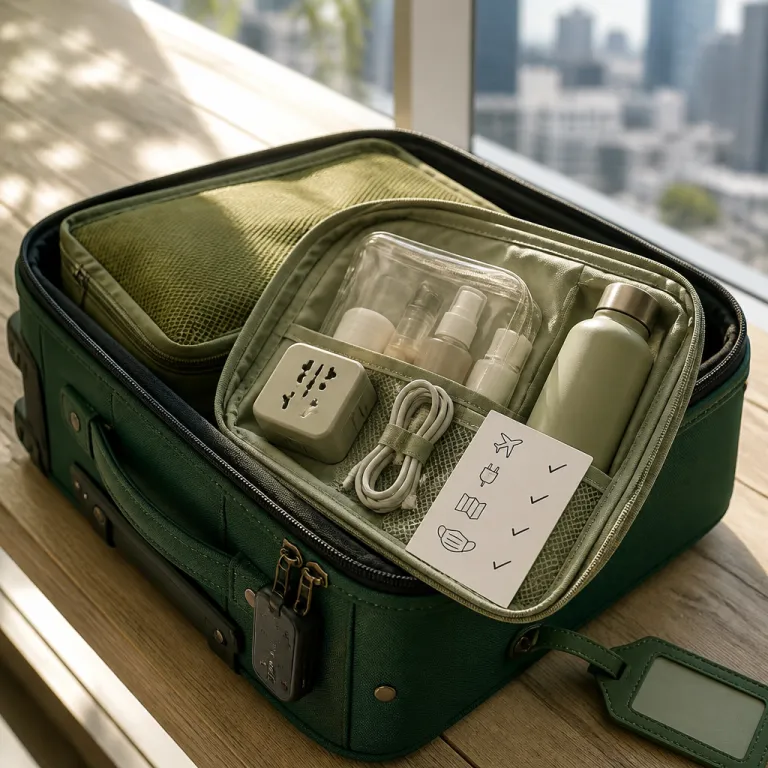
Key documents to check before a flight to any city
Quick pre-flight checklist for city breaks
- Confirm passport / ID validity and visa requirements
- Verify airline booking details, spelling of your name, and flight times
- Download or print boarding passes and hotel confirmations
- Review baggage weight restrictions and cabin bag size limits
- Plan your route from airport to accommodation before flight day
Every refined urban escape starts with one essential habit: check documents early. Your passport, national ID, and visas are the first items to review before a flight, especially when your travel plans involve complex city connections. Many passengers only realise a passport is expiring at security, which will instantly end a carefully planned weekend in Paris or a gallery tour in Berlin.
Begin your pre-departure checklist at least seventy-two hours before flight day, aligning with the standard pre-flight preparation timeline used by major airlines such as Lufthansa, British Airways, and ANA. At that point, confirm your flight details, seat assignment, and spelling of your name in the airline app, because any mismatch between documents and booking will slow you at check-in and security. This is also the right moment to print or download boarding passes to every device you carry, so you are not dependent on airport websites or unstable Wi-Fi connections.
Digital boarding passes are now widely accepted, and their use has become a quiet revolution in urban travel. Airlines promote this innovation because it shortens queues and lets staff focus on passengers with special needs or complex itineraries. When you rely on a digital pass, always keep at least one screenshot saved before flight time, since some apps require a live connection to load the QR code at the gate.
Visa rules for short city breaks can feel like a crossword clue that refuses to yield a clear answer. To solve that personal travel crossword, consult official government websites such as GOV.UK, the U.S. Department of State, or the European Commission rather than third-party blogs, because only those sources provide binding answers on entry conditions. If you hold multiple passports, check which one offers the simplest entry and use that document consistently, so your immigration story matches the data already checked by the airline.
Urban getaways often involve tight schedules, from rooftop bars to museum late nights, so losing time at border control is costly. Before flight day, print hotel confirmations and return tickets, because some officers will ask for proof of onward travel and accommodation. Keep these items in a slim folder you can easily carry in your personal bag, ready to present without rummaging through larger bags at the counter.
Luggage strategy for urban getaways: bags, weight, and size
For city breaks, luggage is the second crucial category to check before a flight, because streets, metros, and tramways punish overpacking. The smartest urban travellers treat every suitcase like a crossword, where each square must justify its place among the limited items allowed. Before you even start to pack, read your airline baggage policy carefully, paying special attention to weight restrictions and the permitted size and weight for both checked and cabin bags.
Most European and Asian carriers allow one cabin bag plus a personal item you can carry under the seat, but the exact size–weight combination varies by airline and route. Low-cost airlines often enforce stricter limits, and their staff will check dimensions at the gate, so a bag that looks compact may still fail the metal sizer. To avoid last-minute fees before flight boarding, measure your suitcase at home and weigh it with a simple digital scale, then leave a margin of one or two kilograms for airport purchases.
Urban getaways reward travellers who pack light, because rolling a heavy case across cobblestones in Lisbon or up subway stairs in New York quickly becomes exhausting. Use a focused city break packing checklist, such as the one in this essential city break packing guide, to select versatile clothing and compact toiletries. Every item should answer a clear style or comfort clue, and if you cannot explain its purpose in one sentence, it probably does not deserve space in your bags.
Checked luggage introduces extra risks for short flights, including delays at the carousel and occasional mishandling. When your urban itinerary is tight, consider whether you really need checked bags or whether a well-organised cabin case will suffice for three or four nights. If you must check a suitcase, place one change of clothes and essential toiletries in your carry-on, so a delayed bag will not ruin your first evening in the city.
Security rules also shape what you can carry, especially regarding liquids and electronics. Remember that liquids over 100 millilitres (3.4 fl oz), sharp objects, and flammable items are prohibited in cabin bags, and these rules are enforced consistently at major hubs in line with IATA and national aviation authority guidance. To move smoothly through security, place your laptop and larger electronics near the top of your bag, ready to remove into trays without holding up the line behind you.
Smart packing lists tailored to dense urban itineraries
Once documents and luggage rules are under control, the next priority to check before a flight is the content of your packing list itself. Urban getaways demand a different approach from beach holidays, because you will walk more, dine in smarter venues, and move through varied microclimates in a single day. Treat your packing list like a sophisticated crossword clue, where each answer must fit multiple situations, from a morning market to a rooftop cocktail bar.
Start with footwear, since shoes are the heaviest items and the hardest to replace comfortably on arrival. For most city breaks, one pair of cushioned walking sneakers and one pair of dressier shoes will answer almost every style and comfort requirement. Before flight day, wear the bulkier pair on the plane and pack the lighter pair in your bag, which helps you respect airline weight restrictions while still having options for evening plans.
Clothing for urban travel should focus on layers, neutral colours, and fabrics that resist wrinkles. A compact capsule wardrobe of shirts, trousers, and one lightweight jacket will solve the daily outfit crossword answer without overloading your suitcase. To refine your strategy, consult a detailed guide such as this article on packing smart on urban vacations, which explains how to balance style with practicality in dense city environments.
Technology is another category of items to check carefully, because urban trips rely heavily on navigation, restaurant reservations, and digital tickets. Pack a compact power bank, universal adapter, and short charging cables you can carry in a small pouch, keeping them accessible during the flight and at security. Before flight departure, download offline maps and translation tools from trusted websites, so you can solve logistical clues even when mobile data is unreliable in underground stations or older districts.
Finally, consider special items that reflect your personal habits and the character of your chosen city. For example, a foldable tote bag is invaluable in Tokyo or Copenhagen, where design stores and markets tempt you with unexpected finds. A slim scarf or pashmina will answer multiple needs at once, serving as warmth on the plane, modesty in religious sites, and a subtle accessory for evening drinks.
Airport timing, security, and pre flight routines for city breaks
Time management at the airport is another vital factor to check before a flight, especially when a missed departure would unravel carefully booked restaurant tables and timed museum entries. Industry guidance remains clear on this point, and one verified answer states, "How early should I arrive at the airport?" followed by, "At least 2 hours before domestic flights; 3 hours for international." Treat that guidance, which aligns with recommendations from many major carriers and airport authorities, as a firm baseline, then add extra time if your departure city airport is known for long security queues or complex layouts.
Seventy-two hours before flight day, confirm your departure time, terminal, and any schedule changes through the airline app or official websites. Many carriers now send push notifications, but you should still manually check, because gate changes sometimes appear late and can catch distracted travellers by surprise. On the day itself, aim to reach the airport earlier than the minimum, giving yourself space to clear security, enjoy a calm coffee, and review your urban itinerary without rushing.
Security screening often feels like a live-action crossword, where each tray must contain the right combination of items to pass inspection. To solve this recurring flight crossword efficiently, prepare your bags before joining the queue by placing liquids in a transparent pouch and keeping laptops easily accessible. Remember the official guidance on prohibited items, which states, "What items are prohibited in carry-on luggage?" followed by, "Liquids over 3.4 oz, sharp objects, and flammable items."
Urban travellers frequently carry cameras, tablets, and compact tripods, all of which may attract extra attention at security. When an officer asks a question, offer clear answers and follow instructions promptly, since cooperation will usually speed your passage. If you are selected for additional screening, treat it as a temporary delay rather than a personal inconvenience, and keep your valuables in sight while trays are being checked.
Once through security, use the quiet time at the gate to review your first hours in the city. Confirm the address of your accommodation, note the public transport options from the airport, and check whether you need local currency immediately on arrival. This calm review acts as a final answer to the many small clues that shape a smooth urban arrival, from knowing which metro line to take to understanding late-night taxi surcharges.
Urban arrival logistics: from airport to city streets
The final category to check before a flight concerns your arrival plan, because the journey from airport to city centre can either energise or exhaust you. Urban hubs such as London, Tokyo, and New York offer multiple options, and each one carries its own cost, duration, and comfort profile. Treat these choices like a set of clues in a complex crossword, where the best answer depends on your arrival time, luggage, and tolerance for transfers.
Begin by studying official airport websites, which usually present clear maps and transport summaries for trains, buses, and taxis. Note the approximate travel time and price for each option, then decide whether speed or budget matters more for this particular trip. Before flight departure, save these details offline, including the names of key stations, so you can solve wayfinding challenges even if your phone signal fails in underground tunnels.
Many urban travellers underestimate the impact of luggage on arrival logistics, especially when cobblestones, stairs, and crowded platforms are involved. If you are carrying heavy checked bags, a direct airport express train or taxi may be worth the extra cost, because it reduces physical strain and protects your belongings. With only a compact carry-on, you can usually navigate metro systems more easily, weaving through turnstiles and escalators without blocking other passengers.
Accommodation location also shapes the best route into town, and this is something to check before a flight while you still have time to adjust bookings. Properties near central stations simplify late-night arrivals, while those in quieter districts may require a final tram or bus ride. For a deeper look at how pricing and neighbourhoods influence urban stays, consult this analysis of urban getaway pricing dynamics in Sapporo, which illustrates how transport and location interact.
Finally, consider safety and comfort, especially if you land after dark or during peak commuter hours. Check whether your route involves poorly lit streets or deserted underpasses, and if so, adjust your plan to favour main avenues and well-used stations. A small amount of research before flight day will answer many of these concerns, turning what could be a stressful transfer into a confident first encounter with the city.
Digital tools, problem solving, and the art of pre flight checks
Digital tools now sit at the heart of every sophisticated pre-flight checklist, especially for travellers who favour dense, culturally rich cities. Airline apps, mapping platforms, and translation services work together like interlocking crossword clues, each one filling a gap in your journey. When used thoughtfully, these tools transform the period before flight departure from a source of anxiety into a structured, almost elegant routine.
Start by enabling notifications in your airline app, which will send real-time updates on gate changes, delays, and boarding times. Combine this with calendar reminders seventy-two hours and twenty-four hours before flight departure, prompting you to check in online and review your packing list. This simple system reflects the widespread shift toward digital check-in, which has significantly reduced airport congestion in recent years.
Problem-solving skills also matter, because even the best plans occasionally meet unexpected obstacles. When a delay or cancellation appears, treat it like a challenging crossword clue rather than a crisis, and begin to gather information from multiple sources, including airport screens and official websites. Clear, polite communication with airline staff usually yields better answers and faster rebooking than frustration, especially when you can present alternative flight options you have already checked.
During quieter moments at the gate or on the plane, some travellers enjoy an actual crossword or similar puzzle, which can subtly train the same pattern-recognition skills used in travel planning. The mental habit of breaking a large problem into smaller clues and searching for the most elegant crossword answer translates well to route planning, packing, and time management. Over time, you will notice that each urban trip feels less chaotic, because your mind automatically looks for structure and efficient solutions.
Finally, remember that every pre-flight routine should respect your personal preferences and energy levels. Some travellers will always prefer handwritten lists, while others rely entirely on digital reminders, and both approaches can work if applied consistently. The key is to treat each journey as a chance to refine your own system, adjusting what you check, when you check it, and how you carry the lessons forward to the next city skyline.
Key statistics about pre flight preparation and urban travel
- Industry surveys indicate that a large majority of passengers now use online check-in, which has reduced airport counter queues and encouraged wider adoption of digital boarding passes.
- Major carriers typically recommend arriving at least two hours before domestic departures and three hours before international flights, a guideline that reflects average security processing times at large urban airports.
- Enhanced security measures introduced over the past decade have increased the time required for screening electronics and liquids, making organised packing and tray preparation more valuable for frequent city break travellers.
- The growing use of mobile boarding passes has significantly reduced paper waste and printing costs for airlines, while also allowing passengers to carry all flight details on a single device.
FAQ about essential checks before a flight for urban getaways
What documents are needed before a flight for a city break ?
You will need a valid passport or national ID, your boarding pass, and any required visas for the countries you are visiting. Some destinations also ask for proof of onward travel and accommodation, so keep printed or digital confirmations ready. Always check official government and airline websites before flight day to confirm current entry rules.
How early should I arrive at the airport for an urban getaway ?
The verified guidance is clear, "How early should I arrive at the airport?" with the official answer, "At least 2 hours before domestic flights; 3 hours for international." For very busy hubs or peak holiday periods, add extra time to account for longer security queues. Arriving early also gives you space to relax, review your city plans, and handle any unexpected changes calmly.
What items should I avoid packing in my carry on bag ?
Security rules prohibit liquids over 100 millilitres (3.4 fl oz), sharp objects such as large knives, and flammable items in cabin luggage. The dataset confirms this with the statement, "What items are prohibited in carry-on luggage?" followed by, "Liquids over 3.4 oz, sharp objects, and flammable items." Always check the latest security guidance on official airport or airline websites before flight departure, because regulations can evolve.
Which pre flight checks matter most for short urban trips ?
For city breaks, the most important checks are document validity, baggage allowances, and arrival logistics from airport to accommodation. Confirm your passport and visa status, review airline weight restrictions and size and weight limits, and plan your route into the city using official transport information. These steps will protect your limited time in the destination and reduce stress on arrival.
How can I use digital tools to improve my pre flight routine ?
Digital tools such as airline apps, mapping services, and translation platforms help you centralise information and respond quickly to changes. Enable notifications for flight updates, download offline maps for your destination, and store key documents in secure cloud storage accessible from multiple devices. This integrated approach turns pre-flight preparation into a predictable process, supporting smoother urban getaways every time.