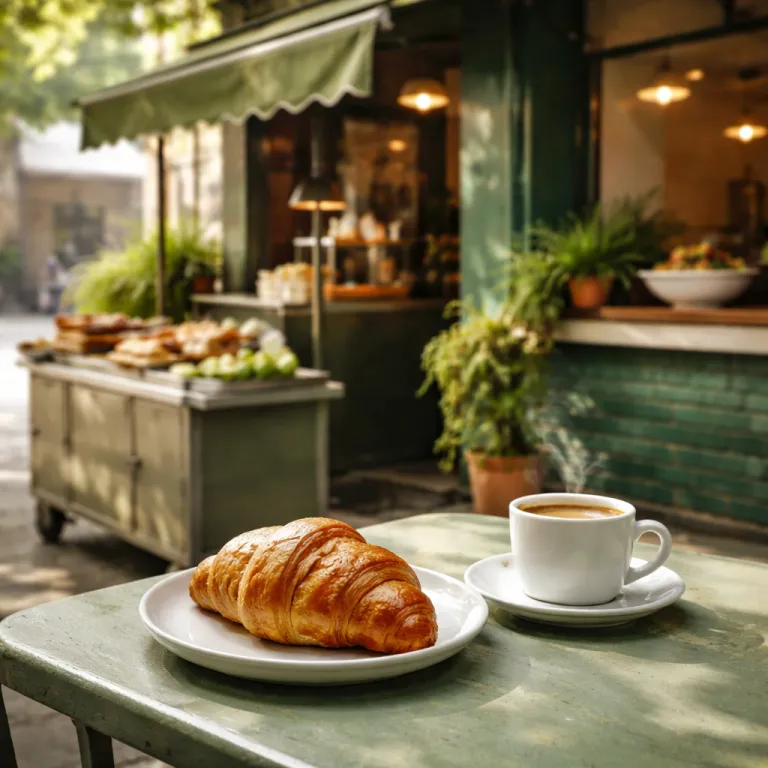
The single block theory for the best food streets in world cities
Start with one street, not the whole city map. When you narrow your food-focused city break to a single block, you force yourself to read the food culture through repetition, queues and the rhythm of daily life. That one street becomes your lens on how a city eats, from early coffee to late spicy snacks, and how locals move between markets, cafés and late-night counters.
The idea echoes a familiar travel-show format where a host spends a day eating three meals on one street and shows how a short list of places can reveal a whole culinary neighbourhood. That same logic works for urban getaways in cities worldwide, whether you are walking a narrow lane in Naples or a neon-lit artery in Shenzhen, China, with steam rising from food carts and grills. You are not chasing every famous dish on a checklist; you are tracing how one community cooks, shops and socialises across a single day, using a compact food street as your guide.
Think of San Sebastián’s Parte Vieja, where pintxo bars line each street and the best counter might sit beside a very average one. On Calle 31 de Agosto or Calle Fermin Calbetón, you can move from a bar specialising in grilled prawns to another known for slow-braised beef cheeks in just a few doors. In Bangkok’s Charoen Krung Road, a few hundred metres can shift from morning fried dough and soy milk near Saphan Taksin BTS station to late-night BBQ skewers brushed with hot sauce closer to Talat Noi. In Mexico City’s Roma Norte, a compact grid of streets around Mercado Roma and Plaza Luis Cabrera holds taquerías, natural wine bars and a market hall, each telling a different chapter of the same local story.
For solo travellers, this single block theory keeps decisions simple and the experience rich. You will eat three times on the same street, but each meal will feel distinct because the city changes tempo from breakfast to dinner. The mindset is not about ticking off a list of iconic dishes; it is about letting one block introduce you to its regulars, its vendors and its quiet in-between hours, while you build a full day of eating around one reliable food street.
How to choose the right street in any city
Finding the right street starts long before you order any food. Skip the top ten listicles and instead look for where a market, a cluster of cafés and a few late-opening spots sit within the same short walk. A strong candidate for a great eating street will always have people carrying groceries, not just cameras, and a mix of small shops that open early and close late.
Follow the lunch crowd, especially workers in uniforms or office wear, because they know which street food stalls serve generous plates at fair prices. In Mexico City, watch where people queue for tacos de guisado near metro exits like Centro Médico or Chilpancingo, then trace that street towards the nearest mercado to see how ingredients move from market crates to steaming dishes. In Shenzhen, China, pay attention to side streets off major boulevards in older districts such as Luohu or around Dongmen Pedestrian Street, where food carts roll out at dusk and the smell of fried dumplings, grilled seafood and chilli oil signals a living food culture rather than a staged scene.
Grocery tourism has become a recognised trend, and walking through a local market is often more revealing than any restaurant review. A covered market at the end of your chosen street lets you see which vegetables, cuts of meat and spices define that city, whether you are in Mexico or in a coastal European port. For a deeper dive into how supermarket aisles reveal a neighbourhood’s tastes, explore our guide to grocery tourism and local markets and then apply those insights to your own block-level wanderings.
Once you have a candidate street, walk it slowly at three different times of day. Morning will show you bakeries and breakfast counters, midday reveals office lunch routines, and evening brings out BBQ smoke, hot sauce bottles and families sharing large platters. If the street feels well used, slightly messy and clearly loved by locals, you have probably found your base for a one-block, three-meal day.
The three meal framework: breakfast, lunch and dinner on one street
Start your day with breakfast on the quietest corner of your chosen street. Look for a neighbourhood café where the barista knows regulars by name and the pastry case reflects the city’s own food culture, whether that means conchas in Mexico City or custard tarts in Lisbon’s Baixa. This first meal should be light, giving you space to explore more dishes as the day unfolds, and usually costs less than a sit-down brunch.
Lunch belongs to the most functional places on the street, not the prettiest ones. Counter-service spots, market stalls and street food vendors feeding office workers will tell you what the city actually eats when nobody is performing for visitors. In cities worldwide, from San Sebastián to Bangkok, the best midday options often come from tiny kitchens turning out fried snacks, spicy soups or grilled meats at a pace that only a steady local crowd can sustain, typically at lower prices than evening restaurants.
Dinner is where you stretch the framework without abandoning the block. Choose a local institution on or just off the same street, somewhere that has been serving the same core dishes for years and still draws multi-generational tables. For more ideas on how to structure an urban getaway around food, our guide to urban getaways for food lovers shows how American cities use similar three-meal rhythms in different neighbourhoods.
This three meal framework works especially well in dense districts like Tokyo’s Yanaka, where morning coffee, a simple noodle lunch and an izakaya dinner can all happen within a few hundred metres along Yanaka Ginza and its side alleys. It also adapts beautifully to Mexico, where a single street might offer tamales at dawn, comida corrida at midday and tacos al pastor under flickering bulbs at night. The most rewarding food streets rarely deliver a single spectacular plate; they shine through how your three meals echo each other across one lived-in block and how the same vendors reappear throughout the day.
City examples: from San Sebastián to Shenzhen and Mexico City
San Sebastián’s Parte Vieja is often praised for its high-end gastronomy, but its real strength lies in how one street can carry you from breakfast to late-night bites. Start on Calle Mayor with a simple coffee and tortilla slice at a traditional bar, then drift towards Calle Fermin Calbetón at lunch, where bars compete to serve the best pintxos stacked with seafood, peppers and fried croquettes. By evening, the same streets glow with locals sharing plates, and you will understand why this compact city shapes so many world-class chefs.
In Bangkok, Charoen Krung offers a different reading of the single-street eating idea. Morning brings soy milk, dough sticks and quiet traffic near Bang Rak Market, while lunch turns the road into a corridor of curries, stir-fries and grilled meats served from food carts wedged between shophouses. After dark, the same city artery fills with BBQ smoke, neon and the scent of hot sauce, as families and night workers gather around plastic tables for spicy soups and charcoal-grilled skewers.
Shenzhen tells another story, especially in older quarters of Shenzhen, China, where redevelopment has not yet erased every alley. A single back street near a traditional wet market might hold a noodle shop, a stall specialising in fried dumplings and a tiny counter for late-night skewers brushed with chilli oil. The food here is not always pretty, but it is a great way to feel how a fast-growing city negotiates between tradition and speed, and how its everyday food streets keep that balance.
Mexico City’s Roma Norte and Condesa districts show how Mexico blends global influences with deeply local tastes on just a few streets. You might start with pan dulce and espresso at a corner café on Calle Colima, move to a market fonda inside Mercado Medellín for a hearty midday stew, then end at a taquería where the trompo turns steadily and hot sauce bottles line the counter. These cities across the world share one thing; their most memorable food streets compress the city’s contradictions into a walkable, edible strip that rewards slow, repeated visits.
When to break the rule and how to read a street’s details
Even the most disciplined one-block eater will occasionally make a reservation elsewhere. Some cities have a single restaurant that anchors their reputation, and it can be worth leaving your chosen street for one carefully chosen dinner. The key is to treat that reservation as a complement to your block, not a replacement for its everyday food, so your main impression still comes from the street-level dining scene.
In San Sebastián, that might mean one night at a contemporary dining room after days spent hopping pintxo bars on the same narrow streets. In Mexico City, you could reserve a table at a modern Mexican spot while still returning to your favourite taco street for late-night bites and another round of hot sauce tastings. In Shenzhen, China, you might seek out a specialist seafood place, then wander back to your original street for a final fried snack from a trusted vendor.
Reading a street well requires attention to small signals. Are the food carts restocking from the nearby market, or from anonymous delivery vans parked far away from the city centre? Do BBQ stalls clean their grills between batches, and do locals linger at plastic tables or eat quickly and leave? These details tell you whether a place is built for repeat local business or for one-time visitors chasing a list, and whether your chosen block will reward a full day of eating.
The “one block, three meals” idea works best when you treat it as a playful constraint rather than a rigid rule. It encourages you to slow down, notice how menus change through the day and pay attention to who actually eats there. That spirit still works for urban getaways, especially when you pair it with slow walks, careful observation and a willingness to return to the same stall twice in one day. For more ideas on structuring low-cost, high-flavour days in American cities, see our guide to free urban experiences in Charlotte and adapt the same mindset to food.
FAQ
How do I choose the best street for three meals in an unfamiliar city ?
Look for a street that combines a market, everyday cafés and late-opening eateries within a short distance. Prioritise places where you see office workers, families and older residents eating, because that mix signals a strong local base. Avoid streets lined only with souvenir shops and identical menus translated into many languages.
Is street food safe when I am planning a full day of eating on one block ?
Street food can be very safe if you pay attention to hygiene and turnover. Choose vendors with steady queues, clean work surfaces and food cooked to order rather than sitting in trays for hours. If locals are feeding children there and returning regularly, that is usually a reliable sign.
How does the one block, three meals approach compare to booking destination restaurants ?
Destination restaurants often showcase a chef’s vision, while one block, three meals reveals how a neighbourhood actually eats. The block approach gives you more contact with local vendors, markets and everyday dishes at different price points. Many travellers combine both by dedicating one day to the block and one evening to a single reservation.
Can this method work in smaller cities, not just major world capitals ?
The framework works especially well in compact cities where daily life is concentrated along a few main streets. In smaller places, a single block might include the bakery, the lunch counter and the evening bar all within 200 metres. The key is density of activity, not the overall size of the city.
What should I budget for a one block, three meals day focused on local food ?
Costs vary widely between cities, but focusing on markets, counters and casual spots usually keeps spending moderate. In many destinations, breakfast and lunch from local vendors will be inexpensive, leaving room for a slightly higher-priced dinner on the same street. Watching where residents eat and matching their choices is the most reliable way to balance budget and quality.