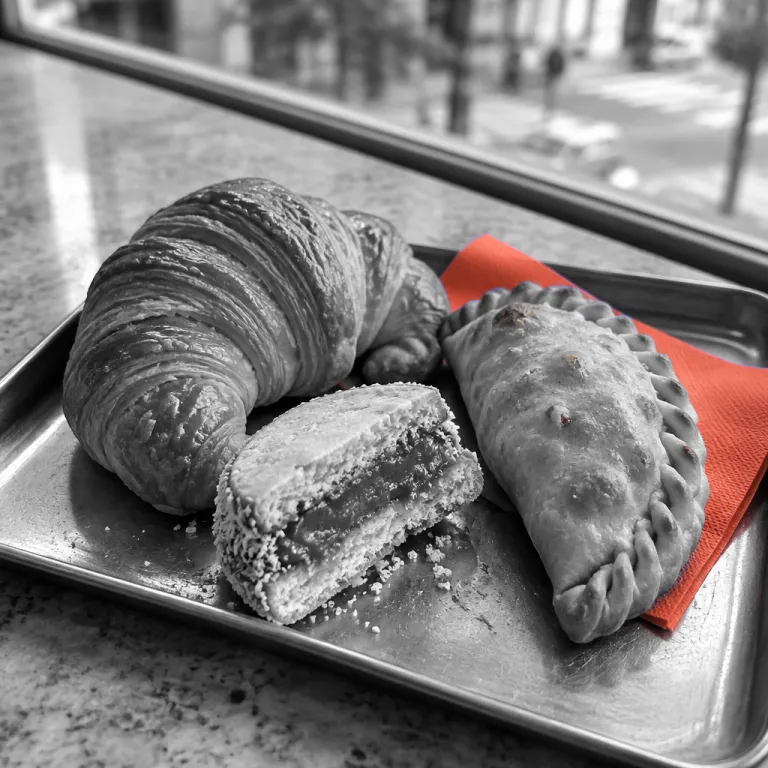
Why argentine snacks belong in every urban getaway
Argentine snacks turn a standard city break into a layered cultural experience. When you plan an urban escape in Buenos Aires or any major city in Argentina, weaving these snacks into your day lets you taste local life between museums and galleries. A single snack can shift your view of a neighbourhood, revealing how porteños actually live, pause, and share time.
In Argentina, the merienda ritual around 17:00 anchors social life, and this is when many travellers first meet the classic alfajor, a filled chocolate cookie sandwich with dulce de leche at its heart. Local kiosks sell millions of these every day, and “What is an alfajor?” is answered simply as “Two biscuits with dulce de leche filling, often chocolate coated.” That definition barely hints at the variety of milk chocolate, white chocolate, chocolate covered or even chocolate mousse styles you will see stacked in every box on the counter.
Urban explorers quickly notice how snack brands across Argentina are organised for movement, with individually wrapped portions that slip easily into a daypack. A quick cheese snack or a sweet filled alfajor keeps you going between metro stops without slowing your pace. Because many products are baked rather than fried, labelled as horneados sabor queso or low sodium, they feel lighter than heavy street food yet still satisfy a serious snack craving.
From kiosco to café: navigating argentine snacks in the city
The most authentic way to meet argentine snacks is to start at the kiosco, those compact convenience stands on almost every corner. Here you can compare the price of a Guaymallén alfajor against a Fantoche triple chocolate version or a rising Rasta favourite, then build your own pack for the day. Urban travellers often treat this as a quick pre check in ritual, grabbing a selected mix of sweet and savoury options before heading to their lodging.
Look closely at the shelves and you will see how producers of snacks in Argentina design for different dietary needs, clearly marking gluten free options or low sodium cheese snack crackers. You might find a peanut cream filled bar beside a peanut butter and milk chocolate combination, or a bon bon style truffle with a cream filling of dulce de leche. Many products are individually wrapped, which keeps your bag clean and lets you share a single box among friends during an afternoon break.
Once you have your personal pack of argentine snacks, take them to a traditional café and order yerba mate or strong espresso to create your own urban merienda. In cities that mix global influences, this habit mirrors refined food focused escapes elsewhere, such as a foodie city break built around tasting menus and local pastries. The difference in Argentina lies in how everyday snacks, from chocolate cookies to cheese crackers, are woven into daily rhythms rather than reserved for special occasions.
Merienda in motion: pairing yerba mate and street snacks
To understand argentine snacks in an urban context, follow the thermos of yerba mate through the city. In parks, on riverfront promenades, and even on office steps, you will see friends sharing a gourd while passing around a pack of sweet and savoury bites. This moving merienda turns any bench into a temporary café and any plaza into a social dining room.
Street vendors and kiosks near metro hubs often specialise in quick options that match this pace, from cheese snack crackers labelled sabor queso to peanut filled bars dipped in chocolate. Some stands highlight gluten free horneados sabor queso biscuits, while others lean into indulgence with filled chocolate alfajores that are chocolate covered and sometimes layered with chocolate mousse. One Buenos Aires vendor summed it up simply: “If it fits in your hand and goes with mate, it belongs on my counter.” For travellers used to Asian night markets or the dense food stalls of Taipei, the rhythm feels familiar, echoing the energy of an urban gourmand’s street food circuit but with a distinctly Río de la Plata flavour profile.
As you move between neighbourhoods, pay attention to how major snack brands adapt to local tastes while keeping core elements like dulce de leche and milk chocolate. In student districts you may see more low sodium baked crackers and individually wrapped cereal bars, while historic centres lean toward traditional filled dulce alfajores and bon bon style chocolates. This variety lets you curate your own box of argentine snacks that reflects each barrio you explore, turning your snack choices into a map of the city.
Inside the alfajor aisle: chocolate, dulce de leche and urban identity
No exploration of argentine snacks is complete without a focused visit to the alfajor aisle of a supermarket or large kiosco. Here, rows of Guaymallén, Fantoche, and Rasta boxes illustrate how industrial innovation has expanded a simple snack into a national symbol. Sales data show that millions of alfajores are eaten daily across Argentina, which means every urban visitor inevitably joins a vast shared ritual with their first bite.
Classic versions feature two biscuits filled with dulce de leche and coated in milk chocolate, but modern city shelves go far beyond that template. You will find white chocolate shells, chocolate covered wafers with peanut cream, and filled chocolate varieties that hide a second cream filling of chocolate mousse or peanut butter. Some brands experiment with low sodium doughs or gluten free bases, while others emphasise indulgence with triple layered formats and extra filled dulce centres.
For travellers, the key is to treat this aisle like a curated tasting room rather than a simple snack stop, selecting a small pack of different textures and flavours to sample across your stay. One day you might pair a Fantoche triple with strong coffee, the next you might share individually wrapped Guaymallén alfajores during a sunset walk along the Costanera. When do Argentines snack? “When do Argentines snack? During merienda (~5 pm), with mate and pastries.”
Savoury city bites: cheese snacks, galletitas and low sodium options
While sweet argentine snacks often steal the spotlight, savoury options quietly shape how locals fuel their urban days. Supermarkets and kiosks dedicate entire shelves to galletitas saladas, many of them from heritage brands like Don Satur that have become shorthand for a certain style of cheese snack. These crackers, often labelled sabor queso or horneados sabor queso, are designed to be eaten straight from the pack during commutes or informal office meetings.
Health conscious city dwellers increasingly seek low sodium and gluten free alternatives, and manufacturers of snacks in Argentina have responded with reformulated recipes and clear front of pack labelling. You will notice individually wrapped mini packs that control portions, making it easier to share a box among colleagues without over committing to one flavour. Some lines even combine cheese notes with subtle peanut or seed toppings, offering a bridge between savoury crackers and nut based snack mixes.
For urban travellers, these savoury argentine snacks are ideal for balancing a day filled with dulce de leche and chocolate. Pick up a selected assortment of Don Satur crackers, low sodium sticks, and gluten free rice based options before a long walking tour through Buenos Aires and provinces beyond the capital. This strategy mirrors smart city break planning elsewhere, where seasoned travellers prioritise practical fuel as much as headline meals, a mindset explored in depth in this guide to building a city break around experiences rather than accommodation.
Planning and buying: how travellers can bring argentine snacks home
Many visitors want to extend their urban getaway by taking argentine snacks home, turning them into edible souvenirs. In major cities, larger supermarkets and specialised shops often prepare a travel friendly pack, grouping individually wrapped alfajores, chocolate cookies, and cheese snacks into a sturdy box. Staff can usually advise which products are best suited to long flights, especially low sodium baked items and gluten free options that stay crisp longer.
Some retailers in Argentina now offer online orders with international shipping, allowing travellers to restock their favourite local snack brands after returning home. While free shipping is rare for overseas deliveries, promotions sometimes reduce the final price when you buy a selected quantity or mixed pack. Always check which items are eligible for export, as products with fresh cream filling or very soft filled dulce centres may face restrictions.
When choosing what to send, think about how each snack will evoke a specific urban moment, whether it is a Guaymallén alfajor eaten on a plaza bench or a Don Satur cheese snack shared during a late night bus ride. A balanced box might include milk chocolate and white chocolate alfajores, peanut butter or peanut cream filled bars, chocolate covered bon bons, and savoury horneados sabor queso crackers. This curated view of argentine snacks turns your pantry into a miniature Buenos Aires, ready to host your own merienda whenever city nostalgia strikes.
Key figures that shape the urban culture of argentine snacks
- Argentina consumes around 12 million alfajores per day nationwide, a volume that explains why every urban kiosco stocks extensive shelves of these filled chocolate snacks (source: Cámara Argentina de la Industria de Golosinas, Galletitas y Afines, 2023 market summary).
- The average person in Argentina eats approximately 101 alfajores per year, meaning even short term visitors who sample several varieties are briefly aligning with a deeply rooted local habit (source: Kantar Worldpanel confectionery consumption study, 2022).
- Annual per capita consumption of galletas and galletitas reaches about 11 kilograms, underlining the importance of both sweet and savoury biscuits as everyday urban fuel rather than occasional treats (source: Federación de Industrias de Productos Alimenticios y Afines, national biscuit report, 2023).
- Industrial brands dominate the sweets market in Argentina, which ensures consistent price points and wide availability of gluten free, low sodium, and individually wrapped options across cities (source: Euromonitor International, “Sugar Confectionery in Argentina”, latest edition).
- Rising brands like Rasta are gaining popularity among younger urban consumers, reflecting how new flavours and bolder chocolate covered formats keep the category dynamic (source: NielsenIQ retail trend analysis for chocolate snacks, 2022–2023).
FAQ about argentine snacks for urban travellers
What is an alfajor and why is it so common in cities ?
An alfajor is defined locally as “Two biscuits with dulce de leche filling, often chocolate coated.” In urban Argentina, it functions as an all day snack, eaten at breakfast, during merienda, or as a quick treat between meetings. High consumption levels mean every kiosco and supermarket carries multiple brands, making it the most accessible entry point into argentine snacks.
When do Argentines usually eat snacks during a city day ?
Locals snack throughout the day, but the most emblematic moment is merienda around late afternoon. People gather in cafés, offices, and parks to share yerba mate, coffee, and a mix of sweet pastries, chocolate cookies, and savoury crackers. Street food like empanadas or quick cheese snacks also appears at almost any hour in busy districts.
Are there gluten free or low sodium argentine snacks suitable for travellers ?
Yes, many major brands now produce gluten free biscuits, rice based crackers, and low sodium galletitas clearly labelled on the front of the pack. Supermarkets in Buenos Aires and other large cities usually dedicate a section to these products, which often include individually wrapped portions. Travellers with dietary needs should still read ingredient lists carefully, especially for items containing peanut, peanut butter, or peanut cream.
Which argentine snacks travel best as souvenirs from an urban getaway ?
Individually wrapped alfajores, baked horneados sabor queso crackers, and sturdy chocolate covered bon bons generally handle flights well. Choose products without fresh cream filling and avoid very soft filled dulce de leche pastries that can be crushed. A mixed box of Guaymallén, Fantoche, Rasta, and Don Satur items offers a balanced taste of Argentina’s urban snacking culture.
How do argentine snacks fit into the broader culture of mate and socialising ?
Snacks are integral to mate sharing, which often happens in public urban spaces like plazas, riverfronts, and office courtyards. People pass around a gourd of yerba mate while opening a pack of cheese snacks, chocolate cookies, or alfajores, turning a simple break into a social ritual. This habit supports the broader cultural goal to preserve tradition, share family moments, and maintain strong social bonds through everyday food.