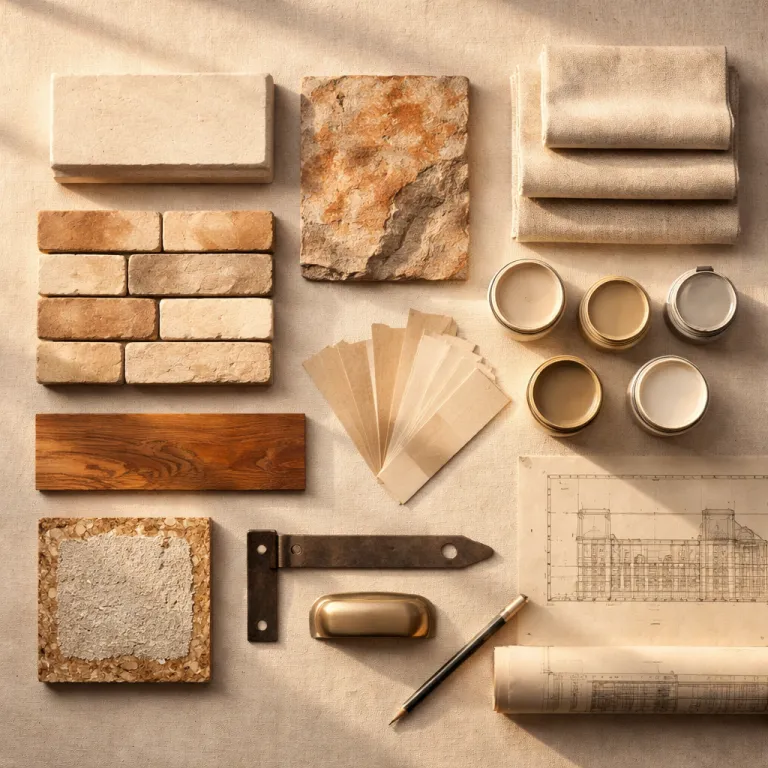
Heritage hotel restoration as the quiet luxury trend reshaping city breaks
Urban luxury travel is being rewritten inside old stone walls. The current wave of heritage hotel restoration now shapes a clear majority of the most anticipated city openings, with industry trackers indicating that well over half of new luxury hotels scheduled to open are conversions rather than ground up builds. For design focused travelers planning family stays, this shift means that the best urban getaways increasingly start with a building that already has a story and a neighborhood context.
Data from major travel brands shows how fast this is moving. A Hotels.com internal booking trends snapshot for 2024, based on a global sample of several million reservations across city and resort destinations, cites an increase in heritage hotel reservations of around 15 percent year on year. A separate Luxury & Heritage Industry Outlook 2023 by the Global Hospitality Benchmarking Group, which analysed development pipelines from more than 200 international brands, counts roughly 50 heritage hotels opening worldwide in a twelve month period. Together, these sources suggest that the heritage restoration movement is not a niche experiment but a structural change in how hotels and resorts are financed and imagined. When a conversion opens in a dense city, it often anchors an entire block, pulling in cafés, galleries, and resort residences style serviced apartments that extend the experience for longer stays.
Commercial logic explains part of this momentum. Existing heritage structures in places like Venice, Astoria in New York, or around Lake Como already come with cinematic glamour baked into their façades, which means that the design budget can focus on interiors, spa and wellness spaces, and family friendly suites rather than on creating character from nothing. For owners and brands, that character translates into higher nightly rates, stronger luxury travel demand, and better long term asset value, which is why this restoration led luxury trend is attracting capital from global names such as Orient Express, Rosewood, Waldorf Astoria, Ritz Carlton, and Mandarin Oriental.
There is also a sustainability argument that urban families increasingly understand. Adaptive reuse of a heritage hotel reduces demolition waste and embedded carbon compared with a full rebuild, while keeping the original street grid, courtyards, and arcades intact for neighbors. When luxury hotels commit to regenerative practices, as Six Senses and other brands are doing in historic districts, the current heritage restoration wave becomes not only about elevated aesthetics but also about responsible travel trends that respect the city as a living organism. At the same time, conservation regulations, lengthy approvals, and the cost of specialist craftspeople can slow projects and push rates higher, so families weighing adaptive reuse hotels benefits should balance environmental gains against budget and access for local residents.
From palazzo to family base: how restorations change the urban getaway
Walk along the Grand Canal in Venice and you can feel the shift. The most interesting luxury hotels are no longer anonymous glass towers but restored palazzi where children step across centuries old terrazzo floors on their way to breakfast. In this context, the heritage hotel revival is turning Venice into a living catalogue of adaptive reuse, with Orient Express and other brands leading the charge and using historic buildings as anchors for wider neighborhood renewal.
Two openings in the city illustrate how this plays out for families. The Orient Express Palazzo Donà Giovannelli and Airelles Palladio, Venezia both occupy historic buildings where the original architecture frames contemporary design, spa, and wellness facilities that work for multi generational stays. For a deeper look at how one of these projects anchors its island community, our guide to why a restored Venetian palace can redefine a neighbourhood address explains how a single hotel can rebalance local life, and it shows why the latest heritage hotel restoration trend is as much about streets as suites.
Families benefit from this approach in very practical ways. Heritage hotels in Venice and other European cities often occupy corner plots with internal courtyards, which naturally separate lively public areas from quieter family rooms and resort residences style apartments. When a brand like Rosewood or Waldorf Astoria takes over such a property, the programming properties team can layer in kid friendly cultural workshops, early evening harbor hotel boat shuttles, and special access to museums, turning a short city break into an elevated learning experience that still feels like pure luxury travel.
There is also a narrative advantage that children remember. Staying in a restored palazzo, a former bank, or an old post office gives context to the city walk that follows, and the new generation of heritage focused luxury hotels is making these stories easier to book in one click. Parents can choose hotels where the concierge will arrange a private vaporetto ride, a gelato tasting, or a behind the scenes visit to a mask maker, while the spa and wellness teams schedule shorter treatments that fit around nap times and evening canal strolls.
Why restorations beat new builds for design, sustainability, and family comfort
From a design perspective, heritage restorations start several steps ahead. Original staircases, stone arches, and timber beams give interior designers a ready made framework, which means that the current restoration driven luxury trend often produces richer spaces than comparable new builds. For families used to generic city hotels, this translates into lobbies that feel like living rooms, corridors that tell stories, and suites where the city’s past is visible from the window seat.
Commercially, character sells, and the numbers back this up. When a heritage hotel opening is announced in a major city, advance bookings often spike faster than for a comparable new tower, because travelers trust the combination of narrative and luxury, and they know that the best rooms will go first. This is why brands such as Ritz Carlton, Mandarin Oriental, and Rosewood are competing for landmark addresses in Europe, the Middle East, and Saudi Arabia, and why heritage conversions are increasingly visible in development pipelines that once favored only glass and steel.
Sustainability is where restorations quietly outclass most new constructions. Adaptive reuse keeps existing structures in place, reduces heavy demolition, and allows hotels and resorts to invest in efficient systems behind thick historic walls, which is more climate responsible than starting from scratch. In destinations from Lake Como to Puerto Vallarta, and from the Middle East to emerging cultural districts in Saudi Arabia, families who care about responsible luxury travel can now choose hotels where the concept luxury narrative includes both cinematic glamour and measurable environmental gains.
For urban families, comfort remains non negotiable, and this is where thoughtful programming properties make the difference. The rise of heritage led hotel projects has pushed brands to rethink layouts, adding interconnecting rooms, flexible resort residences style suites, and kid friendly spa and wellness schedules that sit alongside adult only hours. Our guide to sophisticated escorted journeys for urban travelers shows how this mindset extends beyond hotels into curated city experiences, where every transfer, meal, and museum visit is calibrated for both parents and children.
How to choose the right restored heritage hotel for your next city stay
Selecting the right heritage property in a crowded market requires a clear framework. The surge in restoration projects has created a wave of openings, but not every hotel delivers the same balance of history, design, and family practicality. Start by looking at how deeply the brand has engaged with local artisans, conservation bodies, and neighbors, because the most successful hotels feel like part of the street rather than a sealed off resort.
Location remains the non negotiable factor for any urban getaway. Our detailed guide to the neighbourhood test for city hotels outlines how to read a map beyond the city centre pin, and the same logic applies when assessing a heritage hotel opening in a new district. You want the vintage shop, the natural wine bar, and the book store within a short walk, because the current heritage restoration trend only matters if your daily route feels both safe and stimulating for children.
Inside the property, scrutinise how the story translates into real comfort. Families should check whether spa and wellness areas have child friendly hours, whether restaurants offer flexible seating for early dinners, and whether resort residences style suites include kitchenettes for longer stays, because these details separate marketing from lived experience. When evaluating brands such as Orient Express, Waldorf Astoria, Ritz Carlton, or Mandarin Oriental, ask how their programming properties teams adapt cinematic glamour to everyday needs like laundry, stroller storage, and quiet corners for remote work.
Finally, pay attention to timing and transparency. Many of the most interesting heritage hotels scheduled to open in the next cycle are still fine tuning their concept luxury positioning, and some will be in soft opening when you book, which can mean attractive rates but also a few rough edges. If you are considering a reopening Waldorf project, a harbor hotel conversion, or a restored palace in Venice or Lake Como, read recent guest feedback carefully, because this new era of heritage hotel restoration rewards travelers who arrive just after the paint dries, when the team is eager to impress and upgrades are still part of the playbook.
Key figures behind the heritage restoration wave in urban luxury travel
- Heritage hotel bookings have increased by about 15 percent according to a 2024 Hotels.com internal booking trends report, drawn from a broad cross section of global users, underscoring how strongly travelers are responding to the latest restoration focused luxury trend in both leisure and business segments.
- The Luxury & Heritage Industry Outlook 2023, compiled by the Global Hospitality Benchmarking Group from a sample of 200 international brands and their disclosed development pipelines, counts around 50 heritage hotels opening worldwide within a single year, which means that restorations now represent a significant share of global luxury hotel development rather than a marginal niche.
- Industry analyses from Hospitality Design highlight that developers are committing more capital to heritage restorations, low density resorts, and culturally sensitive urban conversions, signalling a long term shift away from anonymous high rise projects toward context driven concept luxury.
- Major actors such as Orient Express, Six Senses, and other global brands are focusing new investment on adaptive reuse, confirming that the current heritage hotel restoration wave is backed by serious funding rather than short term marketing campaigns, even if individual projects still face regulatory hurdles and complex construction timelines.