Why the Upper West Side is the refined heart of Manhattan
The Upper West Side of New York City offers an urban getaway that feels instantly livable. This west side neighborhood in Manhattan balances cultural depth, residential calm, and proximity to both Central Park and the Hudson River, which makes it ideal for travelers who want a slower rhythm without leaving the city. When you plan your list of things to do on the Upper West Side of New York City, think of it as a sophisticated base rather than just another stop between Midtown and Lower Manhattan.
Geographically, the Upper West stretches between Central Park on its east side and the Hudson River on its west side, with long north–south avenues and leafy cross streets. This side of New York City sits opposite the Upper East Side across the park, yet it feels more relaxed, with prewar apartment buildings, local cafés, and a strong sense of neighborhood history. Many visitors arrive by subway on lines 1, 2, 3, B, or C, then quickly realize that walking is the best way to explore the streets, parks, and museums that define this part of New York City.
For urban travelers comparing things to do on the Upper West Side of New York City with activities in Lower Manhattan or the Upper East Side, the contrast is striking. Downtown offers energy and skyline drama, while the Upper West excels at cultural institutions, riverside walks, and everyday city life that feels authentic rather than staged. This guide focuses on the best places to visit, from the American Museum of Natural History to Riverside Park, so you can explore both the grand avenues and the quieter side streets with confidence.
Designing a day: a structured city guide for culture lovers
To make the most of the best things to do on the Upper West Side of New York City, structure your day around three anchors. Start with a museum in the morning, continue with a park or riverside walk in the afternoon, then end with a performance or relaxed dinner on a side street. This simple city guide format mirrors how locals use the neighborhood and helps you experience the west side of Manhattan as more than a checklist of attractions.
Begin near Central Park West and West 79th Street at the American Museum of Natural History (200 Central Park West), which is one of the most visited museum institutions in New York City. The museum of natural history combines science, anthropology, and planetary exhibits, and it attracts around five million visitors annually according to the museum's official data for recent years (for example, the museum reported approximately 5,000,000 visitors in 2019 on its statistics page, accessed in 2024). When planning your visit, remember the dataset insight that "Annual visitors to American Museum of Natural History" reach about 5,000,000 people, so booking timed entry and arriving close to opening hours (typically around 10:00 a.m., with last entry in late afternoon) can transform your experience of this vast natural history complex; allow at least two to three hours inside, and expect general admission prices in the range of several dozen dollars per adult, with reduced rates for children and seniors.
After a few hours, step outside to Central Park and walk south along the park's west edge toward West 72nd Street, where you can reflect on the area's layered history. This route passes near Strawberry Fields, the memorial dedicated to John Lennon, which offers a quiet pause between museum visits and city noise. For travelers who enjoy curated itineraries in other capitals, the rhythm here is similar to a refined three-day itinerary for exploring Washington, D.C.'s urban highlights, and you can draw inspiration from that style of planning when mapping your own Upper West and Upper East Side days; a practical local tip is to pick up a takeaway sandwich on Columbus Avenue before entering the park, so you can pause on a bench and watch neighborhood life unfold around you.
Iconic institutions: from Lincoln Center to Columbia University
Any serious list of things to do on the Upper West Side of New York City must include Lincoln Center, which anchors the neighborhood's cultural identity. This performing arts complex at Broadway and West 65th Street hosts opera, ballet, orchestral concerts, and film events that draw both locals and international visitors. Even if you do not attend a performance, walking through the plaza at twilight, with its fountains and modernist architecture, reveals why many consider it one of the best things about this side of New York City; the nearest subway stops are 66 St–Lincoln Center on the 1 line and 59 St–Columbus Circle for the A, B, C, and D trains, and most evening performances begin between 7:00 p.m. and 8:00 p.m., with ticket prices ranging from budget-friendly rush seats to premium orchestra-level options.
Continue north along Broadway, and the neighborhood gradually shifts from the performing arts district toward academic territory near Columbia University. The campus sits further up the west side of Manhattan, roughly between West 114th and West 120th Streets, and its classical architecture and lawns offer a different way to explore New York City, especially if you enjoy university neighborhoods. A self-guided walk from Lincoln Center to Columbia University lets you experience multiple faces of the Upper West Side, from busy commercial streets to quieter residential blocks that feel far from Lower Manhattan's intensity; the main entrance at 116 St–Columbia University on the 1 train makes it easy to arrive by subway, and most visitors spend about one to two hours wandering the quadrangles and nearby side streets.
Families planning things higher on their itinerary should also consider the Children's Museum of Manhattan on West 83rd Street (212 West 83rd Street), which offers interactive exhibits that keep younger travelers engaged. Pair a morning there with an afternoon performance at Lincoln Center, or with a relaxed stroll through Riverside Park, to balance structured culture with free play. If you appreciate city breaks that reveal a destination's everyday life, this combination feels similar in spirit to a parents' guide to the real city in Singapore, where local parks and cultural venues work together to create a complete urban experience; plan for roughly two hours inside the museum, check typical opening hours of late morning to late afternoon, and note that admission is usually a modest per-person fee, with timed entry on busy weekends.
Parks, riverfronts, and the quiet side of NYC
Outdoor spaces are central to the best things to do on the Upper West Side of New York City, especially if you value balance between culture and calm. On the eastern edge, Central Park offers iconic lawns, wooded paths, and reservoirs that frame the skyline of Manhattan in every direction. On the western edge, Riverside Park runs for about 4 miles along the Hudson River, giving this side of New York City a rare combination of waterfront and greenery.
Riverside Park is narrower and more intimate than Central Park, with terraced paths, playgrounds, sports fields, and benches that overlook the Hudson River and New Jersey beyond. According to NYC Parks data, the park stretches roughly 4 miles from West 72nd Street to around West 158th Street (as reported by NYC Parks facility descriptions consulted in 2024), which makes it ideal for a late afternoon walk or a relaxed bike ride after a museum visit. Many locals consider a sunset stroll here one of the best things about living on the Upper West Side, and visitors quickly understand why when they watch the light fade over the water; the 1, 2, and 3 trains at 72 St or 96 St and the 1 train at 103 St provide convenient access, and you can comfortably cover a one- to two-mile section in about an hour.
For travelers comparing this neighborhood with the Upper East Side, the contrast in park access is subtle but meaningful. The Upper East leans heavily on Central Park, while the Upper West enjoys both Central Park and Riverside Park, which doubles the range of outdoor things you can explore without leaving Manhattan. If you enjoy urban getaways that pair culture with coastal scenery, you may find a similar duality in refined urban style destinations such as Capri and the Amalfi Coast, where city streets and sea views coexist in a compact area.
Food, streets, and everyday neighborhood life
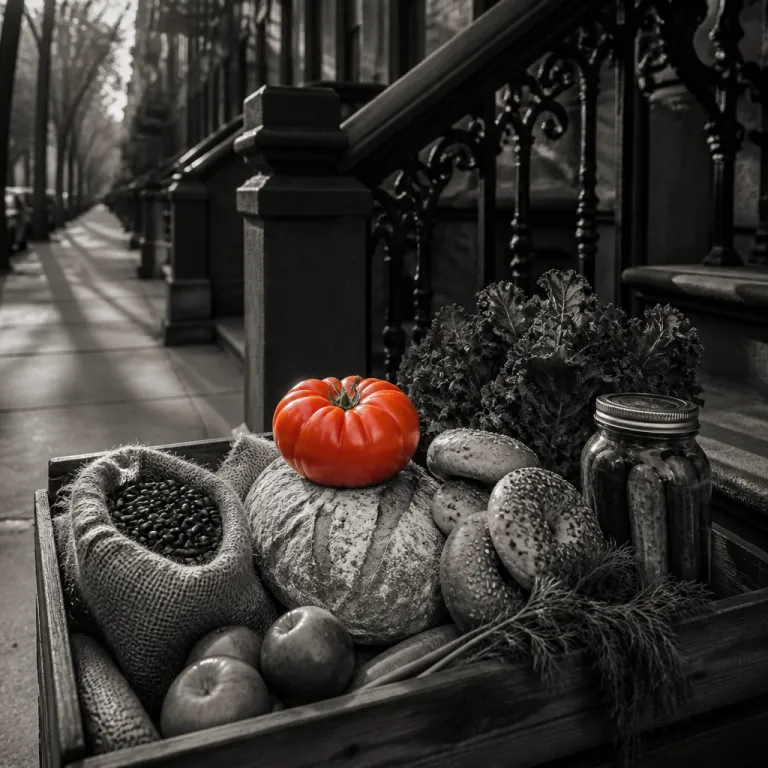
Beyond headline attractions, the most memorable things to do on the Upper West Side of New York City often involve simple rituals. Start a morning with coffee on a quiet side street, then wander past brownstones and local shops that give this west side neighborhood its residential charm. The grid of streets between West 72nd and West 96th offers an ideal scale for walking, with enough cafés, markets, and small restaurants to sustain a full day of urban exploration.
One essential stop is Zabar's at Broadway and West 80th Street (2245 Broadway), a gourmet market that has become a symbol of Upper West Side food culture. Inside, you will find smoked fish, cheeses, and prepared foods that locals buy for picnics in Central Park or for relaxed dinners at home, and the atmosphere feels distinctly New York rather than generic. Picking up a bagel and coffee here before you explore the neighborhood is one of the best things you can do to feel part of everyday life in this side of New York City; the closest subway stations are 79 St on the 1 line and 81 St–Museum of Natural History on the B and C trains, and a quick 15-minute visit can easily turn into an hour if you linger over the bakery counter.
As you walk, pay attention to how the neighborhood shifts from block to block, with busier avenues intersecting quieter residential streets. This layered urban fabric is what makes the Upper West Side such a compelling base for a city guide focused on slow travel and nuanced experiences. You are not just ticking off museums and parks; you are learning how a historic Manhattan neighborhood breathes across morning markets, school runs, and evening performances.
Planning logistics and connecting the Upper West to the wider city
Thoughtful planning turns a list of things to do on the Upper West Side of New York City into a coherent urban getaway. The neighborhood is compact enough to explore mainly on foot, yet well connected by subway and bus to the Upper East Side, Midtown, and Lower Manhattan. For most visitors, the best strategy is to choose one or two anchor experiences per day, then leave space for spontaneous walks along Central Park or the Hudson River.
Public transportation on this side of New York City is straightforward, with the 1, 2, and 3 trains running under Broadway and the B and C lines along Central Park West. This makes it easy to visit the American Museum of Natural History in the morning, then head downtown to Lower Manhattan for contrasting cityscapes in the afternoon. You can also cross the park to the Upper East Side for institutions such as the Metropolitan Museum of Art, then return to the calmer streets of the Upper West Side for dinner and an evening performance at Lincoln Center; typical subway fares are a standard flat rate per ride, and most journeys between these districts take 15 to 30 minutes door to door.
When planning, use digital maps, mobile apps, and curated city guide resources to align museum hours, performance times, and park walks. Many travelers appreciate self-paced itineraries that combine free activities, such as strolling Riverside Park, with ticketed experiences at major museums and cultural centers. By treating the Upper West Side as both a destination and a base, you can explore New York City with a sense of continuity, moving between neighborhoods while always returning to this west side enclave that feels distinctly, and elegantly, Manhattan.
Key figures for planning an Upper West Side stay
- The American Museum of Natural History welcomes around 5,000,000 visitors each year, which places it among the most visited museums in New York City and underscores the value of timed tickets and early arrivals (source: museum's official visitor statistics, including a 2019 figure of approximately 5 million visitors, as reported on the institution's website and accessed in 2024).
- Riverside Park extends for approximately 4 miles along the Hudson River, offering enough length for a one- to two-hour walk or bike ride without leaving the Upper West Side neighborhood (source: NYC Parks Department facility information for Riverside Park, describing the park as stretching from West 72nd Street to around West 158th Street, accessed in 2024).
- The Upper West Side sits roughly between West 59th Street and West 110th Street in Manhattan, giving it more than 4 kilometers of north–south urban fabric to explore on foot in a single stay.
- Subway lines 1, 2, 3, B, and C provide direct access to the Upper West Side from multiple parts of New York City, which reduces transfer time and makes this side of New York City a practical base for wider exploration.
FAQ about the Upper West Side of New York City
What are the top attractions on the Upper West Side?
The most important attractions on the Upper West Side include the American Museum of Natural History, Lincoln Center for the Performing Arts, and Riverside Park along the Hudson River. Many visitors also prioritize Central Park's western edge and local institutions such as the Children's Museum of Manhattan. Together, these sites provide a balance of culture, outdoor space, and family-friendly activities.
Are there family-friendly activities in the neighborhood?
Families will find many things to do on the Upper West Side of New York City, especially around museums and parks. The Children's Museum of Manhattan offers interactive exhibits, while both Central Park and Riverside Park provide playgrounds and open space for free play. Combining these with a shorter visit to the American Museum of Natural History creates a full yet manageable day for children.
How can I get to the Upper West Side efficiently?
The Upper West Side is easily reached by subway using lines 1, 2, and 3 along Broadway or lines B and C along Central Park West. These routes connect the neighborhood to Midtown, Lower Manhattan, and the Upper East Side with minimal transfers. Taxis and rideshare services are widely available, but walking from nearby areas often proves faster during peak traffic.
Is the Upper West Side a good base for exploring the rest of NYC?
Yes, the neighborhood works well as a base because it combines strong transit links with a calm residential atmosphere. From this west side location, you can reach major Manhattan districts within 20 to 30 minutes by subway while returning each evening to quieter streets and riverfront parks. Many repeat visitors choose the Upper West Side for exactly this balance between access and livability.
What is the best time of day to visit major museums and parks?
For the American Museum of Natural History and other large museums, mornings on weekdays usually offer the lowest crowds. Central Park and Riverside Park are most atmospheric around early morning or late afternoon, when light is softer and locals are out walking or running. Planning your city guide around these time windows helps you experience the best things in the neighborhood with less congestion.
References
- Museum's official website for the American Museum of Natural History visitor statistics, including 2019 attendance figures, accessed in 2024.
- NYC Parks Department for Riverside Park length and facilities information, as listed in the Riverside Park overview and facility descriptions, accessed in 2024.
- Metropolitan Transportation Authority (MTA) for subway line maps, station locations, and service details, accessed in 2024.