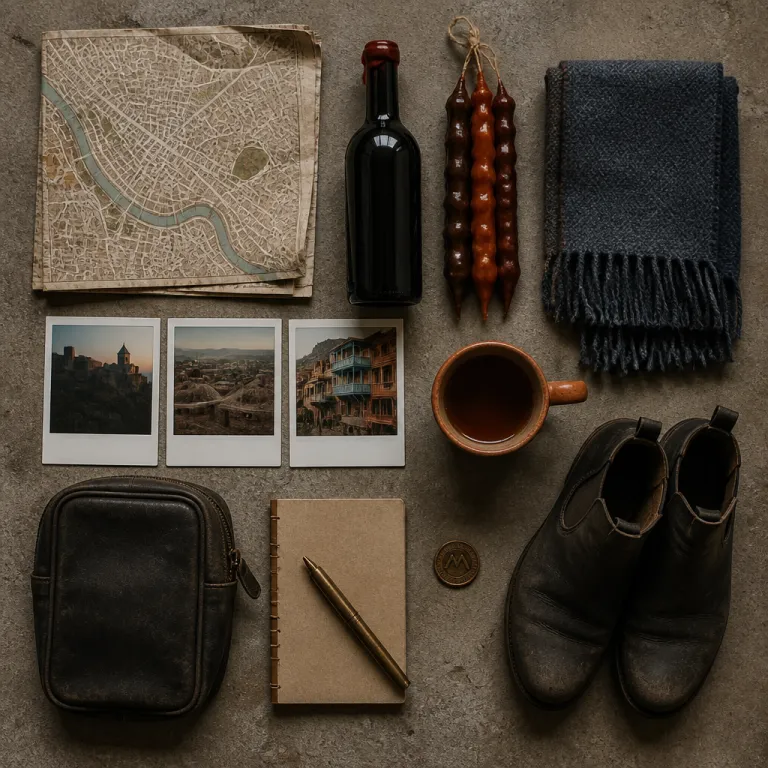
A two week Tbilisi rhythm for the solo slow traveler
Tbilisi rewards anyone who gives it time rather than ticking sights. The city suits a slow travel city break in Georgia, where two weeks feel like a generous residency instead of a rushed urban sprint. For a solo traveler, those days in Tbilisi open into a pattern of neighbourhood walks, café hours, and unhurried conversations with Georgian hosts.
Plan your first three days in Tbilisi around Old Tbilisi’s sulphur baths, crooked lanes, and carved balconies that frame the river. This is where the city opens window after window onto its layered past, and where a carefully paced Georgia itinerary starts to feel like a lived routine rather than a checklist. Spring and autumn offer mild weather and fewer crowds, so your daily loop between the bath district, Narikala Fortress, and the riverside feels calm even at peak day time.
Base yourself in a mid range guesthouse or characterful guest house in Vera or Sololaki, where residential streets soften the city’s energy. In these central districts, longer stays often unlock weekly or monthly discounts, which suits a two week trip Georgia immersion on a sensible budget. With an average daily budget around 50 USD for food, local transport, and small museum entries, you can stretch your days in Tbilisi without sacrificing comfort.
Use walking tours and public transport to orient yourself during the first days Tbilisi, then gradually slow the pace. Maps, translation apps, and a local SIM make it easy to navigate Tbilisi’s bus and metro network, even if you arrive alone. Learn a few Georgian phrases before your trip, because a simple “gmadlobt” often turns a routine bus ride into a short language lesson with a curious fellow passenger.
Safety matters for any solo traveler choosing an urban base for two weeks. Is Tbilisi safe for tourists? Generally the city feels safe, with low levels of violent crime compared with many capitals, though you should remain cautious of petty theft. That balance of safety, walkability, and human scale makes the city an ideal European slow travel discovery for travelers who want to unpack once and stay put.
Neighbourhoods where slow travel actually works
Old Tbilisi is the obvious starting point, but slow travel means looking beyond the postcard views. Spend one day tracing the river from Metekhi Church to the newer glass footbridge, then another day wandering back streets where laundry lines and wooden staircases tell quieter Georgian stories. Over several days Tbilisi becomes less of a backdrop and more of a lived in place, especially when you return to the same café or wine bar at the same time each evening.
Marjanishvili, across the river, offers a different rhythm for a longer city break in Tbilisi Georgia. Fabrika, a former Soviet sewing factory turned creative hub, anchors the area with co working spaces, craft beer taps, and a courtyard that fills with local designers and remote workers. For a solo traveler, this is where café culture, fast Wi Fi, and a friendly Georgian crowd combine into an easy social infrastructure.
Vera, climbing the hill above Rustaveli Avenue, feels more residential and quietly elegant. Tree lined streets hide small guesthouse options, mid range apartments, and a handful of natural wine bars where a glass of Kakheti wine still costs less than a coffee in many Western capitals. This is the neighbourhood where a two week Georgia itinerary settles into routine, with a morning bakery stop, a favourite bus route, and a corner shopkeeper who starts to recognise you.
Public transport supports this slower approach to travel in Tbilisi. The metro and bus network fan out from central hubs like Liberty Square and the Didube bus station, where regional buses connect the capital with almost every region in Georgia. Using public transport for cost efficiency keeps your budget in check and deepens your understanding of how Tbilisi functions for the people who actually live here.
When you are ready to compare urban rhythms, look at other European city break ideas through a slow travel lens. Guides to long weekends in June and other European cities at their golden hour show how Tbilisi now competes with more established destinations for immersive, design savvy trips. Yet the Georgian capital still feels less choreographed, which is precisely what makes it compelling for travelers who value authenticity over spectacle.
Food, wine, and the art of lingering in Tbilisi
Georgia’s capital is one of the rare cities where food culture alone justifies a two week stay. Archaeological finds in the Kvemo Kartli region suggest wine has been made here for around 8,000 years, and that history shapes everything from family dinners to the way a small guest house hosts its evening table. For anyone planning a Tbilisi Georgia slow travel city break with a deeper immersion, understanding Georgian wine and cuisine is non negotiable.
Start your culinary days in Tbilisi at the Dezerter Bazaar, ideally early in the day when traders are still arranging herbs, churchkhela sweets, and wheels of sulguni cheese. Watching how locals shop here gives you a grounded sense of budget and seasonality, and it also helps you navigate menus later when you sit down for khinkali dumplings or khachapuri. What are must try Georgian dishes? Khinkali, khachapuri, and local wines are highly recommended, along with pkhali vegetable spreads and grilled mtsvadi.
Neighbourhood restaurants in Tbilisi often serve a full meal for under 10 USD, which is rare for a European capital of this scale. That affordability means a solo traveler can experiment widely with regional dishes from Kakheti, Imereti, and Samegrelo without worrying about cost. It also makes mid range wine lists accessible, so you can taste both classic Kakheti wine and more experimental natural bottles from the wider Georgian wine region.
Use your two week Georgia itinerary to explore wine in context rather than rushing through tastings. Dedicate one day trip to the Kakheti wine region, another day trip to a smaller family run cellar, and a third day trip simply to sit in a Tbilisi wine bar and compare notes. Over time, you will notice how amber qvevri wines pair differently with grilled meats, vegetable pkhali, or the city’s growing number of contemporary small plates restaurants.
If you enjoy urban wine country escapes elsewhere, you will recognise a familiar pleasure in Tbilisi’s wine bars and cellar doors. Think of it as a more raw, less polished cousin to elegant San Francisco and Napa Valley vacation packages for urban wine country escapes, but with a deeper sense of everyday ritual. Here, a glass of wine is rarely just a drink; it is a conversation starter, a history lesson, and often an invitation to visit someone’s family home in the countryside.
Day trips, mountain horizons, and the wider Georgian context
One of Tbilisi’s strengths as a slow travel base is how easily you can step out of the city for a day. A well planned Tbilisi Georgia slow travel city break should include at least three or four day trips, each revealing a different Georgian region and rhythm. These excursions work best when you treat them as extensions of your urban stay rather than separate, rushed adventures.
From the Didube bus station, regular buses and shared minibuses fan out towards the Caucasus Mountains, the Kakheti wine region, and smaller cities like Gori. The ride to Stepantsminda along the Georgian Military Highway takes around three hours, but the changing scenery from rolling hills to sharp peaks makes the time feel purposeful. At the end of the road, the Gergeti Trinity Church sits above the town with a view that anchors many a trip Georgia memory.
History minded travelers should dedicate one day trip to Gori and Uplistsikhe, often combined into a single loop from Tbilisi. Buses from the central station or Didube bus hub make the journey straightforward, and local guides at Gori Uplistsikhe can contextualise the ancient cave city within the broader Georgian story. Returning to your guesthouse in Tbilisi that evening, you will feel how the capital connects these disparate landscapes and narratives.
Another essential day trip leads east into Kakheti, where vineyards roll towards the horizon and small towns like Telavi anchor the wine region. A mid range budget allows you to hire a driver for the day or join a small group tour, both of which free you to taste Kakheti wine without worrying about transport logistics. Telavi itself is a pleasant place for a slow lunch, a market stroll, and a quiet hour in a shaded square before heading back to Tbilisi.
If you have more days in Georgia, consider extending your itinerary to Batumi on the Black Sea coast, even if only for contrast. The train or bus journey from Tbilisi to Batumi takes five to six hours, but watching the landscape shift from inland valleys to the humid Black Sea region adds another layer to your understanding of the country. Returning to Tbilisi afterwards, the city feels less like an isolated capital and more like the thoughtful centre of a varied Georgian mosaic.
Practicalities, budgets, and how to make Tbilisi feel like home
Slow travel only works when the practical details support a relaxed pace. For a Tbilisi Georgia slow travel city break, that means understanding budgets, transport, and where to base yourself long enough to feel settled. With an average daily budget of around 50 USD, many solo travelers find they can afford a comfortable guesthouse, generous meals, and regular day trips without financial strain.
Direct flights from major European hubs and visa free entry for many nationalities, including US and EU passport holders, make Georgia unusually accessible. Under current rules, many visitors can stay in the country for up to one year without a visa, though you should always check the latest official guidance before you travel. Once you land in Tbilisi, the compact airport and straightforward taxi or bus links into the city centre keep arrival stress low. Using public transport for cost efficiency quickly becomes second nature, especially when you realise how often a simple bus ride opens window views onto everyday Georgian life.
For accommodation, look for a mid range guest house or serviced apartment in Vera, Sololaki, or near Marjanishvili. These areas balance residential calm with easy access to metro lines, bus routes, and the main station, so you can reach the Didube bus hub or the central bus station without long transfers. Over a two week trip Georgia stay, that convenience matters more than being directly on the busiest tourist streets.
Many solo travelers choose Tbilisi as a base for working remotely while exploring the wider Caucasus Mountains region. Co working spaces, reliable Wi Fi, and a café culture built for lingering make it easy to blend work and travel without feeling rushed. Many younger US travelers now prefer active, immersive trips, and Tbilisi’s mix of urban energy and nearby nature fits that preference with unusual precision.
If you are already drawn to quieter European escapes, you might appreciate how Tbilisi echoes the mood of places like a private Mediterranean island reborn as Europe’s quietest escape, yet with a more urban edge. The city’s growing cultural tourism scene, from galleries to small theatres, adds texture to evenings after day trips into the Georgian countryside. Over two weeks, that balance of city life and regional access turns Tbilisi from a one off trip into a place you will want to return to.
FAQ
What is the best time to visit Tbilisi for a slow travel stay?
Spring and autumn bring mild temperatures, clearer skies, and fewer tour groups in central Tbilisi. Those seasons suit a two week Tbilisi Georgia slow travel city break, because you can walk most neighbourhoods comfortably during the day. Summer can be hot in the city, while winter offers a starker, quieter atmosphere that some travelers still enjoy.
Is Tbilisi safe for solo travelers staying two weeks or longer?
Tbilisi is generally considered safe, with low levels of violent crime compared with many cities of similar size. Petty theft can occur in crowded areas, so standard urban precautions with bags and phones still apply, especially around busy bus station areas and markets. Many solo travelers report feeling comfortable walking in central neighbourhoods after dark, particularly in Vera, Sololaki, and parts of Old Tbilisi.
How much should I budget per day for a mid range stay in Tbilisi?
An average daily budget of around 50 USD usually covers a private room in a mid range guesthouse, public transport, museum entries, and two restaurant meals. Travelers who cook some meals at home or use buses extensively can reduce costs further, while those seeking higher end dining will spend more. Monthly apartment rentals often work out cheaper per night than short stays, which benefits anyone planning a two week or longer trip.
Which day trips are most rewarding from Tbilisi?
Popular day trips include the Georgian Military Highway to Stepantsminda and Gergeti Trinity Church, the Kakheti wine region around Telavi, and the combined Gori and Uplistsikhe route. Each of these can be reached by bus or organised tour, and they show very different sides of Georgia’s landscape and history. Returning to Tbilisi in the evening, you keep the city as your familiar base while expanding your sense of the wider region.
Do I need to speak Georgian or Russian to get around Tbilisi?
English is increasingly common in central Tbilisi, especially among younger Georgians working in hospitality, cafés, and co working spaces. Learning basic Georgian phrases is still helpful and appreciated, particularly when using local buses, shopping at markets, or staying in smaller guesthouses. Translation apps bridge most gaps, and many signs in the metro and main stations now include Latin script alongside Georgian characters.