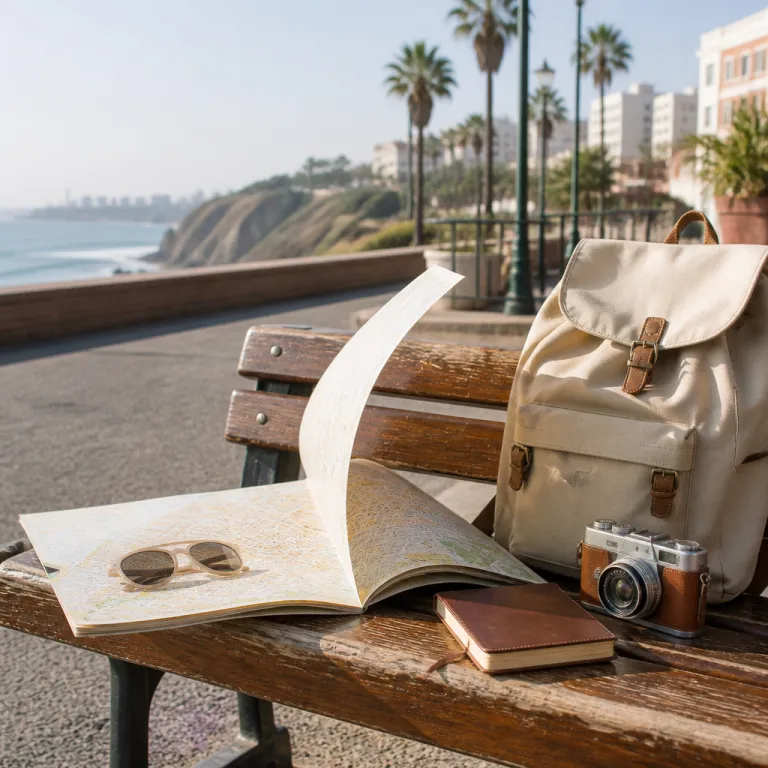
Lima city break guide: why Peru’s capital is Latin America’s most underrated urban escape
Why Lima, Peru is Latin America’s most underrated urban escape
Lima sits on the Pacific cliffs of Peru and blends ocean light with Andean history. This coastal metropolis offers some of the most compelling urban energy in South America, especially for travellers who like culture layered with sea views and neighbourhood character. If you are comparing what to see in Lima with other capitals in Latin America, you will quickly see how the city rewards slow, curious exploration rather than a rushed overnight stop.
Urban travellers often start in Miraflores, because this district balances safety, walkability, and access to the historic centre of Lima. From the clifftop Malecón to Parque Kennedy and the nearby Love Park, Miraflores concentrates many of the best things for a first day in the city. You can walk from your stay to the ocean in under thirty minutes, then be in the historic centre by taxi or ride-hailing service in less than half an hour, which makes it ideal for a short urban getaway or a longer city break.
Lima welcomes around 2.4 million international tourists each year, according to Peru’s Ministry of Foreign Trade and Tourism (MINCETUR, 2019), and many of these visitors are on their way to Machu Picchu elsewhere in the country. Too many people treat Lima as a one night stop, which means they miss the great food, the layered historic districts, and the relaxed coastal parks. If you enjoy city breaks, plan at least three full days in the Peruvian capital so you can check both the modern neighbourhoods and the colonial core without rushing between things, and use official tourism information from MINCETUR to confirm current events and opening hours.
Miraflores in one perfect day : parks, Pacific light, and coastal energy
Miraflores is the district where many urban travellers choose to stay in Lima. The area feels modern and polished, yet you still find traditional Peruvian food markets and local cafés on quieter streets. For city lovers planning Lima neighbourhoods to prioritise, Miraflores offers a compact base where you can experience both everyday life and some of the best ocean views in the country, especially around the Malecón and the Larcomar shopping and dining complex.
Start your day with a walking tour along the Malecón, the clifftop promenade that runs through several park spaces from Parque María Reiche to Parque Raimondi. You will pass Parque del Amor, often called Love Park, where mosaic walls frame the Pacific and couples gather at sunset, and this is one of the best things to check off your list of romantic things Lima offers. Continue towards Parque Kennedy, also known as Kennedy Park or Parque Kennedy, which anchors the commercial heart of Miraflores and fills with street artists, food carts, and local families in the evening; the park usually feels busiest between 6 pm and 9 pm.
Urban travellers who prefer shoulder season city breaks should read about why September is the insider’s month for cities that peak after the crowds leave, then apply that timing to Lima for softer light and fewer visitors. During the afternoon, join a free walking tour focused on Miraflores, or book a paid tour Lima experience that includes Huaca Pucllana, the pre Inca adobe pyramid rising unexpectedly among modern buildings. This archaeological site, generally open from morning until early evening with last entry in late afternoon, offers a sharp contrast between the historic and contemporary city, and it reminds you that Lima’s story began long before the Spanish plaza or any modern travel guide.
Barranco and Barranco–Miraflores : bohemian streets and coastal nightlife
South of Miraflores, the district of Barranco has become Lima’s bohemian heart and a favourite for creative urban getaways. Colourful mansions, street art, and small galleries line the streets, and the atmosphere feels more relaxed than in the busier city centre. Many travellers now speak of the Barranco–Miraflores corridor as one continuous coastal strip, because you can walk or cycle between the two in under an hour using the clifftop parks or the coastal road, and public buses and taxis connect the districts in around fifteen minutes.
Spend a day in Barranco exploring the Puente de los Suspiros area, then follow a walking tour that threads through murals, cafés, and small museums. This is one of the best districts in Lima if you enjoy photography, because the light over the Pacific and the historic houses creates great contrasts, especially in the late afternoon. In the evening, head towards the seafront to check the sunset, then return inland for Peruvian food in one of the district’s contemporary restaurants, where chefs reinterpret classics like ceviche and lomo saltado and main dishes typically range from mid to upper price levels compared with other parts of the city.
Food focused travellers who enjoy emerging culinary cities might also be interested in why Japan’s newest gastronomy cities deserve a place on your shortlist, then compare those experiences with Lima’s own dining scene. In the Barranco–Miraflores area, you can join an evening tour Lima experience that combines street food tastings with local bars, which is a great way to meet both tourists and residents and to understand how locals spend their nights out. If you prefer more structure, use a detailed travel guide or tour apps to design your own route between Barranco, Miraflores, and the coastal park network that links these neighbourhoods, and check current schedules for the Metropolitano bus or official taxis when planning your return.
The historic centre : plazas, churches, and political heart of the city
The historic centre of Lima is where the city’s colonial grid, grand plazas, and political buildings concentrate. This area, sometimes called the Centro Histórico, is a UNESCO listed core and one of the essential areas to explore in Lima for anyone interested in architecture or history. The contrast between the historic centre and the modern districts of Miraflores and Barranco shows how many layers the city holds, from wooden balconies and baroque churches to contemporary street life.
Begin at Plaza de Armas, also known as Plaza Mayor, where the Presidential Palace, the Cathedral of Lima, and the Archbishop’s Palace frame a central fountain. From here, you can walk to Plaza San Martín, another important square that honours national independence and offers a different, more republican style of architecture. Many visitors join a free walking tour that links Plaza de Armas, Plaza San Martín, and surrounding streets, because local guides explain how Lima grew from this core into the wider country capital and often point out details such as balcony carvings, church façades, and traditional cafés.
When planning your day, remember that “Morning: Museums”, “Afternoon: Parks”, “Evening: Dining” is a practical rhythm for urban exploration in Lima. Cultural institutions in the historic centre, such as churches and museums, often close for a midday break, so check opening hours in advance and use a reliable travel guide or tour apps to confirm last entry times. As one official answer for visitors states, “What is the best time to visit Lima? April to October offers pleasant weather.”, and this period works especially well for long city walks between plazas, churches, and the riverside park areas, with SENAMHI providing updated climate information for each season.
Essential urban experiences : parks, food, and everyday life in Lima
Beyond the headline sights, some of the best things in Lima reveal themselves in parks, markets, and neighbourhood streets. Kennedy Park in Miraflores, sometimes called Parque Kennedy or simply Kennedy Park, is a good example, because it functions as a living room for the district. Sit on a bench for half an hour, and you will see families, students, street performers, and tourists all sharing the same urban space while food vendors sell snacks such as picarones and sandwiches.
Along the cliffs, Parque del Amor or Love Park offers another essential experience, especially at sunset when the Pacific horizon glows and paragliders sometimes drift past the mosaics. This park, part of the larger Parque del Malecón system, is one of the most photographed spots in Lima, and it symbolises the city’s relationship with the ocean. If you enjoy active city breaks, you can rent a bicycle and follow the park network from Miraflores towards Barranco–Miraflores, stopping at viewpoints and small cafés along the way, and most rental shops will ask you to carry a copy of your passport or ID.
No urban getaway in Lima is complete without engaging deeply with Peruvian food, which has become a reference point across South America and Latin America. From simple ceviche stands near the coast to tasting menus in world ranked restaurants, the city offers a full spectrum of dining experiences for every budget and time frame, with lunch menus at local spots often costing far less than dinner in fine dining venues. Increased culinary tourism has become one of the key trends in the country, so consider a dedicated food tour Lima experience or use a curated travel guide to check markets, traditional huariques, and contemporary kitchens in one focused day, and always confirm reservations directly with restaurants during busy weekends.
Planning your Lima city break : timing, safety, and onward travel
For urban travellers, the best time to plan what to see in Lima is usually between April and October, when skies are brighter and humidity feels more manageable. Average temperatures hover around 18 °C, based on long term records from Peru’s national meteorological service SENAMHI, which makes long city walks comfortable if you wear layers and carry water. Because Lima is a coastal desert city, you should still wear sunscreen even on grey days, and always wear comfortable shoes for the historic centre’s uneven pavements and occasional cobblestones.
Lima functions as the main international gateway to Peru and as a hub for onward travel to Machu Picchu and other Andean destinations. Many visitors choose to spend one or two days in the city before flying to Cusco, then return for another day at the end of their trip, but this pattern can feel rushed. If you enjoy urban getaways, allocate at least three days in Lima so you can balance a walking tour of the historic centre, time in Miraflores and Barranco–Miraflores, and a dedicated day for food focused experiences, and factor in traffic from Jorge Chávez International Airport, which can add 45–60 minutes to your arrival or departure.
In terms of safety, Lima is generally safe for tourists who exercise standard city precautions, such as using registered taxis, avoiding isolated areas late at night, and keeping valuables discreet. Local guides, cultural institutions, and hospitality services work together to support tourism, and interactive digital guides now make self exploration easier than ever by offering offline maps and suggested routes. When you plan your own tour Lima itinerary, always check current advice from the Peru Ministry of Tourism and your embassy, then adapt your route to match both your interests and the time you have in the city, and consider sharing your daily plans with your accommodation for additional local tips.
From Lima to the wider country : connecting city life with iconic landscapes
One of the reasons Lima stands out among South American city breaks is how it connects urban life with some of the world’s most famous landscapes. The city is the main jumping off point for Machu Picchu, the Sacred Valley, and the highland city of Cusco, which means many itineraries naturally combine city days with mountain adventures. For travellers who enjoy both culture and nature, this blend of historic centre streets and Andean ruins creates a particularly rich South America journey that moves from sea level to high altitude within a short flight.
Think of Lima as your urban anchor in the country, where you can adjust to time zones, taste Peruvian food, and understand the national story before heading inland. A well planned travel guide will suggest spending the first day in Miraflores, the second in the historic centre, and the third in Barranco–Miraflores, then flying to Cusco on the fourth day for Machu Picchu and the Sacred Valley. When you return from Machu Picchu, use your final time in Lima to check any remaining things Lima still holds for you, whether that is a museum, a park, or one last coastal sunset from the Malecón before your flight home.
Lima’s role as a capital of Latin America tourism continues to grow, supported by local tour companies, cultural organisations, and a rising interest in eco friendly and digital tours. Methods such as guided visits, free walking tours, and self exploration with maps or tour apps all work well in this city, depending on your style and budget. By the time you leave Peru, you will likely remember not only the iconic ruins, but also the plazas, parks, and everyday streets of Lima that framed your first and last days in the country and shaped your overall impression of Peru.
Key statistics for planning an urban escape in Lima
- Lima welcomes around 2.4 million international tourists each year, according to Peru’s Ministry of Foreign Trade and Tourism (MINCETUR, 2019), which places the city among the most visited capitals in South America and highlights its importance as a gateway to the wider country.
- The average temperature in Lima is approximately 18 °C, based on data from the Servicio Nacional de Meteorología e Hidrología del Perú (SENAMHI), which makes the city comfortable for year round walking tours and outdoor dining, especially during the cooler months.
- Tourism authorities recommend April to October as the best period for city visits, because this season offers more stable weather and clearer conditions for exploring plazas, parks, and coastal viewpoints, and it aligns well with peak demand for Machu Picchu trips.
- Current trends highlight increased culinary tourism, growth in eco friendly tours, and a rise in digital tour guides, all of which shape how urban travellers now experience Lima and plan their itineraries between neighbourhoods.
FAQ : practical questions about visiting Lima as an urban traveller
What is the best time to visit Lima for a city break ?
The most comfortable period for an urban getaway in Lima runs from April to October, when temperatures average around 18 °C and humidity feels more manageable. During these months, you can spend full days walking between Miraflores, Barranco, and the historic centre without extreme heat. This timing also aligns well with onward travel to Cusco and Machu Picchu, which many visitors combine with their Lima stay, and SENAMHI climate summaries help you fine tune your exact travel dates.
Are there guided tours available in Lima’s main districts ?
Yes, you will find a wide range of guided tours in Lima, from free walking tours in the historic centre to paid food tours in Miraflores and Barranco–Miraflores. Local guides often specialise in themes such as architecture, street art, or Peruvian food, which allows you to choose the focus that matches your interests and time. Many travellers combine one structured tour Lima experience with a day of self exploration using maps or tour apps, and some tours now include hotel pick up from central districts.
Is Lima safe for tourists who like to walk around ?
Lima is generally safe for tourists who follow standard big city precautions, such as avoiding poorly lit areas at night and keeping valuables out of sight. Miraflores, Barranco, and the main parts of the historic centre see regular police presence and a steady flow of visitors, which contributes to a sense of security during the day and early evening. As with any large city in Latin America, you should use registered taxis or ride hailing services, especially late in the evening, and keep digital copies of important documents.
How many days should I spend in Lima before going to Machu Picchu ?
For an urban focused trip, plan at least three full days in Lima before flying to Cusco for Machu Picchu. This allows one day for Miraflores and its parks, one for the historic centre and its plazas, and one for Barranco–Miraflores and dedicated food experiences. If your schedule allows, adding a fourth day gives you time to revisit favourite places or join a specialised tour Lima experience, such as a market visit, a cooking class, or a themed architecture walk.
Do I need a guide, or can I explore Lima on my own ?
You can comfortably explore Lima on your own using maps, tour apps, and a reliable travel guide, especially in Miraflores, Barranco, and the main historic areas. However, joining at least one guided walking tour or food tour can add depth, because local guides share context about history, culture, and everyday life that you might miss alone. Many visitors choose a mix of both methods, using guided visits for the historic centre and self exploration for parks and coastal neighbourhoods, and adjusting each day according to weather and energy levels.