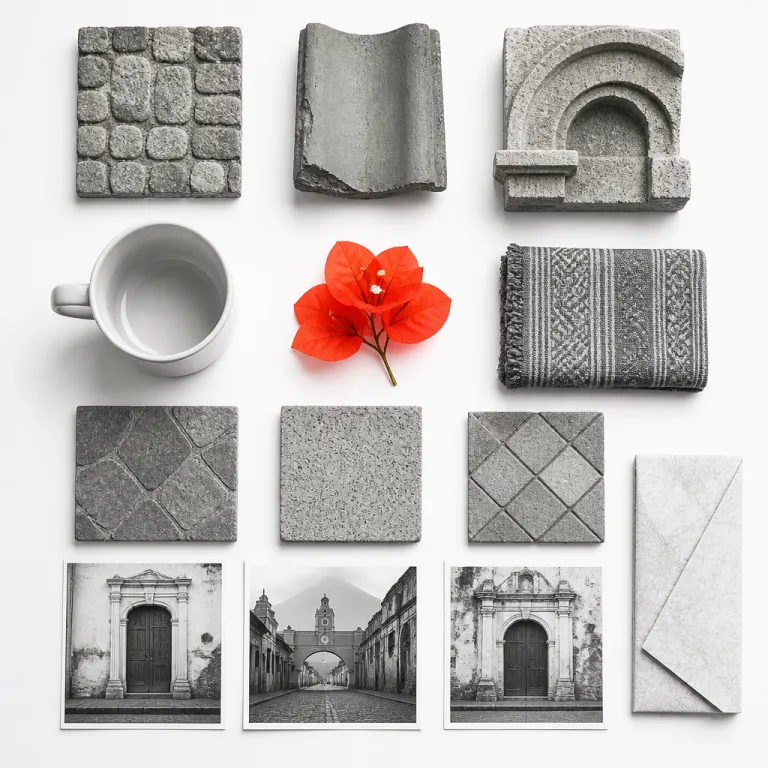
Antigua Guatemala things to see for an elegant urban escape
Antigua Guatemala is a compact colonial city where every cobblestone street feels curated for an urban getaway. The main Antigua Guatemala things to see cluster around the historic core, which makes it easy to design a refined city break without ever needing a car. With more than 30 protected historical sites in this UNESCO listed place, you can structure each day around one neighborhood and still feel you are only scratching the surface.
Start your first day with a slow walking tour that orbits Parque Central, because this central square anchors almost every visit. From the shaded benches you will see the cathedral, the Palacio de los Capitanes and the steady rhythm of local life, which turns this city into one of the best urban experiences in Central America. Many guided tour options now use mobile apps and even augmented reality, so you can point your phone at a façade and watch the former glory of Guatemala Antigua appear on screen.
As you plan what to include among the best things to see, think in layers of architecture, viewpoints and food. The iconic Catalina Arch, also known as Arco de Santa Catalina, frames Volcán Agua in the distance and remains one of the top Antigua Guatemala attractions for photographers. A short walk away, the ruins of Santo Domingo and the church of San Francisco offer quieter courtyards where you can appreciate how municipal authorities and cultural organizations work together to preserve the city while welcoming more than 500 000 visitors each year, according to the Guatemalan Tourism Institute (INGUAT).
Historic streets, arches and plazas that define the city
The most atmospheric things Antigua offers begin with its streets, which are best explored on foot. A curated walking tour that links the Catalina Arch, Parque Central and the church of San Francisco will give you a strong sense of how the city was planned around religious and civic power. Along the way, local guides explain how Antigua in Guatemala became a model colonial capital for Central America, long before Guatemala City took over that role.
Pause beneath the Catalina Arch during the early morning, when the light is soft and Volcán Agua often appears clearly behind it. This is one of the best moments to photograph Antigua Guatemala highlights without crowds, and you will notice how the yellow arch subtly frames the volcano and the city in a single composition. One guide summed it up by saying, “If you see the arch at sunrise and Parque Central at sunset, you understand why people fall in love with Antigua in a single day.” Many visitors then continue their day toward Santo Domingo, where cloistered gardens and art spaces show how historical ruins can be integrated into contemporary urban life.
Parque Central deserves more than a quick pass, because it functions as the social heart of Guatemala Antigua. Sit near the fountain and you will see families, students and street vendors sharing the same space, which makes this one of the top urban plazas in Central America for people watching. If you enjoy refined city breaks such as a coastal capital escape in Rabat for a refined urban getaway, you will appreciate how Antigua balances heritage with everyday life in a similarly graceful way.
Volcano views, urban hikes and panoramic cerro cruz sunsets
Urban getaways in Antigua Guatemala gain another dimension when you look up toward each volcano that encircles the valley. The skyline is dominated by Volcán Agua, while the Pacaya volcano and the Fuego complex sit further away yet still shape the mood of the city. Many Antigua Guatemala things to see are actually viewpoints where these volcano silhouettes become part of your daily walk.
Cerro Cruz, also called Cerro de la Cruz, is the classic urban hike for first time visitors and repeat travelers alike. The trail begins on the northern edge of the city and climbs gently for about 20 to 30 minutes, which makes this hike accessible for most people with basic fitness. From the cross at the top you will see the perfect grid of Antigua, the cathedral, the Catalina Arch line and Volcán Agua rising behind everything, which is why Cerro Cruz appears on almost every list of best things to do.
For a deeper encounter with the volcanic landscape, consider a guided day trip to the Pacaya volcano, which usually departs from the city early in the morning. These excursions are not technical climbs, but you should still wear comfortable shoes, carry water and respect local safety advice during the hike. Urban travelers who enjoy dynamic city breaks such as those described in this feature on unexpected urban travel surges will find that combining Antigua’s compact streets with a volcano hike creates a rare balance between culture and nature.
Coffee, chocolate and food tours that reveal local life
Some of the most memorable Antigua Guatemala things to see are actually tastes and aromas, especially when you focus on coffee and chocolate. The volcanic soils around the city produce some of the best coffee in Guatemala, and many local farms open their doors for a half day tour. During these visits you will walk through shaded plantations, learn about processing methods and taste different roasts that highlight how altitude and terroir influence flavor.
Back in the city, a curated food tour is one of the best things for understanding how local culture shapes daily life. Guides often weave through markets near Parque Central, street stalls and small dining rooms, where you will sample traditional dishes and contemporary interpretations of Guatemalan food. Along the way you will hear how municipal authorities and small businesses cooperate to maintain hygiene standards while still preserving the informal charm that makes a city trip here feel authentic.
Chocolate experiences range from simple tastings to hands on workshops where you roast and grind cacao beans. These sessions explain how chocolate moved from ceremonial drink to global product, and why Guatemala Antigua remains proud of its cacao heritage. If you enjoy refined culinary escapes such as a quiet Mediterranean island retreat described as Europe’s quietest escape on a private Mediterranean island reborn, you will appreciate how Antigua transforms everyday food into a cultural narrative.
Day trips to lake Atitlán and rural caoba farms from an urban base
One advantage of choosing Antigua as your Guatemala city base is the range of day trip options that begin and end in the same urban comfort. Many travelers combine a city focused stay with an organized day trip to Lake Atitlán, which is often described as one of the top lakes in Central America. From Antigua you will usually travel by road to Panajachel, then cross the lake by boat to visit villages that each have their own character.
Lake Atitlán day tours often include time in craft markets, short hikes above the water and café stops where you can compare local coffee with what you tasted in the city. This contrast between the calm of the lake and the structured grid of Antigua Guatemala makes your overall trip feel richer and more varied. Urban travelers appreciate returning to the city in the evening, where they can still stroll through Parque Central or enjoy a late food tour after a full day on the water.
Closer to town, Caoba Farms offers a different style of excursion that still fits easily into a single day. This working organic farm sits just outside the city yet feels rural, with vegetable plots, shaded paths and a restaurant that serves food grown on site. A visit to Caoba Farms shows how local producers support sustainable agriculture while supplying restaurants in Antigua, which reinforces the sense that this place is both a heritage city and a living community.
Practical tips, safety and how to structure your urban itinerary
Planning Antigua Guatemala things to see becomes easier when you divide your stay into themed days. One day can focus on the central grid around Parque Central, the cathedral and the main museums, while another day emphasizes religious sites such as San Francisco, Santo Domingo and the Catalina Arch corridor. A third day might be reserved for Cerro Cruz and a coffee or chocolate tour, leaving a final day for a Pacaya volcano hike or a Lake Atitlán excursion.
Tourists, local guides and municipal authorities all play a role in keeping the city welcoming and safe. Official advice notes that Antigua is generally safe for tourists, as long as you exercise standard precautions such as avoiding isolated streets late at night and keeping valuables discreet. When asked about logistics, local tourism offices often respond with clear guidance such as “What is the best time to visit Antigua? Dry season, November to April.” and “Are guided tours available? Yes, various options exist.” and “Is Antigua safe for tourists? Generally, yes; exercise standard precautions.”
Comfortable shoes are essential because most Antigua Guatemala sights are reached by walking on uneven cobblestones. Sun protection and hydration matter, especially during a midday hike to Cerro Cruz or a Pacaya volcano day trip. Use printed maps, guidebooks or mobile apps to orient yourself in the city, and consider joining at least one structured walking tour early in your stay, because this will give you context that enriches every later visit to a church, plaza or viewpoint.
Why Antigua stands out among Central American urban getaways
Among the cities of Central America, Antigua holds a rare balance between scale, heritage and liveability. The compact layout means you can walk from Parque Central to San Francisco, Santo Domingo or the edge of town for the Cerro Cruz hike in less than thirty minutes, which keeps your days efficient and relaxed. At the same time, the presence of nearby volcano landscapes and Lake Atitlán day trip options ensures your urban escape never feels confined.
Compared with larger Guatemala City, Antigua offers a calmer rhythm while still providing excellent cafés, restaurants and cultural events. Annual visitor numbers now reach around half a million people, yet the city retains a strong sense of local identity thanks to careful preservation policies and active cultural organizations. For travelers who appreciate curated urban experiences, this combination of manageable size and deep history makes Antigua one of the best places in Guatemala for a sophisticated city trip.
Urban travel trends show growing interest in destinations that combine heritage with contemporary comfort, and Antigua fits this pattern precisely. You can start the morning with a coffee tasting, spend the afternoon on a guided tour of religious ruins and finish the day with a chocolate workshop or a refined dinner. When you look back on your stay, the Antigua Guatemala things to see will feel less like a checklist and more like a series of connected experiences that reveal how a historic city can thrive in the present.
Key figures for planning an Antigua Guatemala city escape
- Antigua welcomes around 500 000 visitors per year, according to the Guatemalan Tourism Institute (INGUAT), which means the city has a well developed tourism infrastructure while still feeling intimate compared with larger capitals.
- There are approximately 30 recognized historical sites within the city, based on UNESCO World Heritage documentation for Antigua Guatemala, so a typical three or four day trip will only cover a portion of the available heritage landmarks.
- Guided tours operate year round, with the dry season from November to April generally offering the most stable weather for walking tours, volcano hikes and Lake Atitlán day trips.
- Most key Antigua Guatemala things to see lie within a radius of about 1 kilometre from Parque Central, which makes this square an ideal reference point when booking accommodation or planning daily routes.
FAQ about Antigua Guatemala things to see
What is the best time of year to visit Antigua Guatemala ?
The most comfortable period to visit Antigua Guatemala is during the dry season from November to April, when rainfall is lower and skies are clearer. These months are ideal for walking tours, Cerro Cruz hikes and Pacaya volcano excursions. If you prefer fewer crowds, consider the shoulder periods at the start or end of the dry season.
How many days should I plan for Antigua Guatemala things to see ?
A minimum of three full days allows you to experience the main Antigua Guatemala things to see without rushing. With this duration you can dedicate one day to the central city, one day to nearby viewpoints and coffee or chocolate tours, and one day to a volcano hike or Lake Atitlán day trip. Travelers with four or five days can add Caoba Farms, extra museums and more relaxed café time.
Is Antigua Guatemala safe for urban travelers ?
Antigua is generally considered safe for tourists, especially in the central areas around Parque Central and the main streets. Standard precautions still apply, such as avoiding poorly lit areas late at night and keeping valuables secure. Many visitors feel comfortable walking between restaurants, plazas and their accommodation in the evening.
Are guided tours necessary to enjoy the city ?
Guided tours are not strictly necessary, because the city is compact and easy to navigate on your own. However, a professionally led walking tour or food tour early in your stay will add historical context and local insight that you might otherwise miss. Many travelers choose a mix of one or two guided experiences and then explore other Antigua Guatemala things to see independently.
Can I visit Lake Atitlán and Pacaya volcano as day trips from Antigua ?
Yes, both Lake Atitlán and the Pacaya volcano are commonly visited as organized day trips from Antigua. Lake Atitlán excursions usually involve several hours of travel each way plus boat transfers between lakeside villages, so expect a long but rewarding day. Pacaya volcano hikes are shorter in travel time and focus more on the volcanic landscape, making them a popular choice for active urban travelers.
