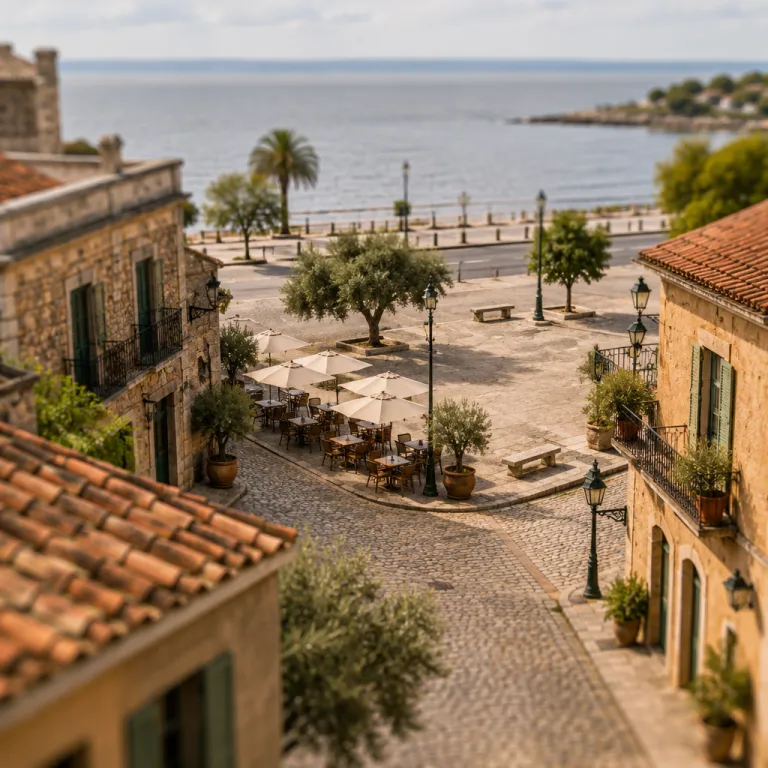
Why Uruguay belongs on every urban getaway shortlist
Uruguay offers a rare blend of relaxed rhythm and polished urban style. For travelers who love cities, the compact scale of Montevideo and the coastal towns makes every stay feel manageable yet rich in experiences. Many people pair a visit to Uruguay with time in Buenos Aires, using the short ferry across the Río de la Plata as a graceful transition between two very different urban moods.
Among the most appealing places to visit in Uruguay, Montevideo stands out for its waterfront rambla, cultural institutions, and thriving food scene. The capital, often called Montevideo Uruguay in travel guides, stretches along more than 20 km of shoreline, so you can move from historic plazas to a sandy beach in minutes. This makes Uruguay Montevideo particularly attractive for urban travelers who want both city energy and easy access to the water in the same place.
From a South America perspective, the country feels unusually approachable, especially for a first time visitor to the region. Distances between key places are short, so a day trip from Montevideo to Colonia del Sacramento or Punta del Este rarely takes more than a few hours. That compact geography allows you to experience several different places to visit in Uruguay within a single season, without the fatigue that often comes with long internal flights.
Most international visitors arrive by air into Montevideo or by ferry Buenos Aires services that link the Argentine capital with Colonia del Sacramento and Montevideo. The ferry routes, operated by companies such as Buquebus and Colonia Express, are efficient, comfortable, and well organized, with typical travel times of about one to three hours and advance purchase fares that often start around USD 60–100 one way. For people who enjoy city breaks, this easy movement between Buenos Aires and Montevideo Uruguay turns the Río de la Plata into a sophisticated twin city corridor.
When you visit Uruguay, you will notice how well the country balances modern infrastructure with a calm social atmosphere. Public spaces feel cared for, and many people use the waterfront promenades as their daily living room. That everyday urban life is one of the top things that makes each place worth more than a quick photo stop, especially if you value slow, observant travel.
Montevideo: layered neighborhoods, culture, and coastal light
Montevideo is the urban heart of Uruguay, and it rewards unhurried exploration. Start in Ciudad Vieja, the old town, where narrow streets open onto plazas lined with neoclassical façades and contemporary galleries. This historic place is one of the essential places to visit in Uruguay for travelers who enjoy architecture, café culture, and people watching.
Walk from Plaza Independencia down toward the port, and you will pass many of the top things to see in Montevideo Uruguay, including the iconic Palacio Salvo and the lively Mercado del Puerto. Food focused travelers should plan time here, because grilled meats, seafood, and local wines are presented with a pride that reflects how seriously Uruguay takes its culinary traditions. These are the moments when the city feels both deeply South America and distinctly its own, with a slower rhythm than aires Montevideo visitors might expect if they are arriving straight from Buenos Aires.
For a different angle on the city, follow the rambla west or east and choose a beach that suits your mood. While Montevideo is not a classic beach resort, its urban beaches offer soft sand, gentle waves, and a beautiful sunset light that makes the shoreline feel like an open air living room. Many people consider this waterfront one of the most memorable places visit Uruguay offers, precisely because it blends everyday life with scenic calm.
Urban travelers often ask about things Montevideo does especially well for a short stay. The answer usually includes its cultural calendar, from theater and tango to contemporary music, as well as its network of parks and coastal viewpoints. If you are planning a romantic city break, you can even pair an elegant evening in Montevideo with inspiration from other refined urban escapes, such as the ideas shared in this guide to elegant places to propose in New York City, then adapt that same sense of occasion to the plazas and rooftop terraces of Uruguay.
When deciding how long to stay in Montevideo Uruguay, consider at least two or three nights to appreciate its different neighborhoods. That amount of time allows you to experience the old town, the coastal rambla, and at least one residential district where people gather in local cafés and parks. With that rhythm, your visit Uruguay itinerary will feel balanced rather than rushed, and the city will reveal its quieter, more intimate side.
Colonia del Sacramento: heritage streets and riverside calm
Colonia del Sacramento is one of the most atmospheric places to visit in Uruguay, especially for travelers who appreciate history and subtle detail. The town sits on the banks of the Río de la Plata, facing Buenos Aires across the water, and its historic quarter is a UNESCO World Heritage site. Cobblestone streets, low stone houses, and bougainvillea draped walls create a beautiful setting that feels timeless without being frozen.
Many people arrive in Colonia del Sacramento by ferry from Buenos Aires, making it an ideal day trip or overnight stay. The ferry Buenos Aires to Colonia route usually takes around one to three hours, depending on the service, and it is one of the most convenient ways to begin or end a visit Uruguay itinerary. Because the town is compact, you can walk from the port to the historic center in minutes, passing cafés, small museums, and riverfront viewpoints along the way.
Within the old town, often referred to simply as Colonia del, you will find several places that are especially worth your time. The Calle de los Suspiros, or Street of Sighs, is one of the most photographed corners, while the lighthouse offers a wide view over the town and the river. These are not just pretty spots; they are also spaces where you can feel how Uruguay has absorbed influences from Spain, Portugal, and neighboring South America cultures into a single, coherent place.
For urban getaway travelers, Colonia works well as both a slow paced stay and a structured excursion. You might spend a full day exploring the historic quarter, then sit by the water at sunset, watching the lights of Buenos Aires appear across the river. If you enjoy refined day trips from major cities, you may appreciate how Colonia offers a similar sense of focused escape as other curated excursions, such as an elegant day trip from Prague to Kutná Hora, but with its own Río de la Plata character.
Because Colonia is small, many visitors wonder whether it is worth staying overnight rather than limiting their time to a single day trip. If your schedule allows, one night in town lets you experience the quiet streets after the ferry crowds have left, which is when the place feels most intimate. That slower rhythm, combined with the soft evening light over the river, makes Colonia one of the most memorable places visit Uruguay offers for travelers who value atmosphere as much as sightseeing.
Punta del Este and the Atlantic coast: stylish seaside urbanism
Punta del Este is often described as Uruguay’s most glamorous coastal city, and it plays a central role in many itineraries focused on places to visit in Uruguay. The city sits on a peninsula where the Río de la Plata meets the Atlantic Ocean, creating a mix of calm and open water beaches. During the peak season, Punta del Este attracts people from across South America, especially from Argentina and Brazil, who come for its nightlife, dining, and seaside atmosphere.
From an urban getaway perspective, Punta del Este functions as both a beach resort and a compact city with high rise buildings, marinas, and art installations. The famous La Mano sculpture, a giant hand emerging from the sand, has become one of the top things to photograph in Uruguay, and it anchors one of the main beaches near the city center. On the opposite side of the peninsula, quieter stretches of sand offer a more relaxed place to stay, where you can balance time by the water with walks along tree lined streets and visits to contemporary galleries.
Many travelers combine Punta del Este with nearby coastal towns such as La Barra and José Ignacio, which extend the range of places visit Uruguay offers along this shoreline. These smaller towns provide a different scale of urban life, with low rise buildings, design focused restaurants, and a more understated social scene. Together, they create a coastal corridor where each place has its own character, yet all share the same emphasis on quality of life and proximity to the sea.
For those who enjoy comparing urban escapes around the world, Punta del Este can be seen alongside other refined coastal cities, such as those highlighted in this guide to elegant urban escapes in Sydney. While the scale and geography differ, the underlying appeal is similar; both cities offer a blend of cultural activities, waterfront living, and sophisticated dining. In Punta del Este, that mix is framed by Atlantic light, modern architecture, and a social calendar that peaks during the southern summer season.
When planning how much time to stay in Punta del Este, consider at least two nights if you want to experience both the urban and beach sides of the city. This allows for a balance between daytime relaxation on the sand and evenings spent exploring restaurants, bars, and cultural venues. With that rhythm, Punta del Este becomes one of the most compelling places to visit in Uruguay for travelers who want their coastal break to feel as polished as any major city stay.
Cabo Polonio and Punta del Diablo: wild edges for urban travelers
While Uruguay is often associated with gentle beaches and orderly cities, its Atlantic coast also includes wilder places that appeal to urban travelers seeking contrast. Cabo Polonio and Punta del Diablo are two such towns, each offering a different relationship with the sea and the surrounding landscape. They are not urban in the traditional sense, yet they have become essential places to visit in Uruguay for people who want to step outside their usual city routines without losing a sense of community.
Cabo Polonio sits within a protected area of sand dunes and coastline, accessible only by authorized vehicles that cross the dunes from the main road. The absence of conventional infrastructure, including limited electricity in parts of the town, creates a distinctive atmosphere where the night sky and the sound of the ocean take center stage. For travelers used to dense city lights, this shift can feel both disorienting and deeply restorative, making Cabo Polonio a place worth including in a broader visit Uruguay itinerary.
Punta del Diablo, once a small fishing village, has evolved into a relaxed town that still retains much of its original character. Colorful houses, sandy streets, and a series of beaches give the place a casual charm that contrasts with the more polished feel of Punta del Este. Many people consider Punta del Diablo one of the most beautiful coastal places visit Uruguay offers, especially outside the busiest season when the town’s rhythm slows and the connection between land and sea feels more immediate.
These destinations also highlight how Uruguay’s coastal geography shapes the experience of travel in South America. The sand dunes around Cabo Polonio, for example, create a natural barrier that preserves the town’s sense of isolation, while the beaches near Punta del Diablo offer both surfing waves and quieter coves. For urban travelers, spending time in these places can recalibrate the senses, making the return to Montevideo or another city feel fresher and more appreciated.
Because infrastructure is more limited in Cabo Polonio and, to a lesser extent, Punta del Diablo, it is wise to plan your stay with some flexibility. Bring what you need for simple comfort, and allow extra time for transport, especially if you are connecting from Montevideo Uruguay or Punta del Este. That deliberate pacing turns these coastal towns into meaningful counterpoints within a journey focused on places to visit in Uruguay, reminding you how varied such a compact country can be.
Planning your Uruguay itinerary: seasons, logistics, and urban comfort
Designing an itinerary around the main places to visit in Uruguay requires attention to season, travel time, and personal style. The southern summer, from roughly December to March, is the busiest period on the coast, especially in Punta del Este and nearby towns. If you prefer milder temperatures and fewer people, the shoulder seasons can be an excellent time to visit Uruguay, particularly for urban stays in Montevideo and Colonia del Sacramento.
Most visitors structure their trip around a combination of Montevideo, Colonia del Sacramento, and at least one Atlantic coast destination such as Punta del Este, Cabo Polonio, or Punta del Diablo. Distances between these places are manageable, with road journeys often taking between two and four hours, which makes it easy to include several towns without feeling rushed. When arriving from Buenos Aires, the ferry Buenos Aires to Montevideo or Colonia provides a smooth entry point, turning international travel into a scenic segment of your overall journey.
Accommodation standards in Uruguay’s main urban areas are generally high, with a focus on comfort, design, and service rather than excess. Many properties in Montevideo and Punta del Este feature amenities such as a swimming pool, spa facilities, and well considered public spaces, which help balance days spent exploring the city with moments of quiet retreat. In coastal areas that function as a beach resort, you will often find properties that integrate outdoor terraces, sea views, and direct access to the sand, reinforcing the connection between urban life and the shoreline.
When planning what to do in each place, think in terms of top things that match your interests rather than trying to see everything. In Montevideo, that might mean focusing on cultural venues and waterfront walks, while in Colonia del Sacramento you might prioritize historic streets and riverfront sunsets. On the coast, your time could center on beaches, coastal trails, and relaxed meals, with occasional day trips to nearby towns to add variety without overcomplicating logistics.
Because Uruguay is relatively compact and well connected, it works especially well for travelers who enjoy layered urban experiences without long internal flights. By combining cities, historic towns, and coastal areas, you can create a journey that feels both coherent and varied, with each stay adding a new dimension to your understanding of the country. That thoughtful pacing is what ultimately turns a list of places to visit in Uruguay into a memorable, well balanced urban getaway.
Urban comfort and lifestyle: how Uruguay feels on the ground
Beyond individual cities and towns, what often stays with visitors to Uruguay is a particular way of life. The country’s urban areas, from Montevideo to Colonia del Sacramento and Punta del Este, share a calm, human scale that makes walking, cycling, and lingering in public spaces feel natural. People tend to use plazas, waterfront promenades, and neighborhood cafés as extensions of their homes, which gives each place a welcoming, lived in character.
In Montevideo Uruguay, for example, the rambla functions as both a transport corridor and a social stage, where runners, families, and friends gather throughout the day. This everyday use of public space is one of the top things that differentiates Uruguay from many other parts of South America, where car traffic often dominates city life. For urban travelers, that emphasis on walkability and outdoor living can make even a short stay feel restorative, especially when combined with the soft coastal light and open views.
On the coast, towns such as Punta del Este, Cabo Polonio, and Punta del Diablo each express a different version of this lifestyle. Punta del Este leans toward a polished beach resort model, with high rise buildings, marinas, and a strong focus on dining and nightlife, while Cabo Polonio and Punta del Diablo maintain a more informal, low key atmosphere. Together, they show how the same coastline can support multiple ways of living, all of which contribute to the broader appeal of places to visit in Uruguay for travelers who value both comfort and authenticity.
Even in smaller places, you will notice how well Uruguay integrates nature into daily urban routines. Parks, tree lined streets, and easy access to the water mean that you are rarely far from a green or blue space, whether you are in Montevideo, Colonia, or a coastal town. That proximity shapes the rhythm of time in each place, encouraging slower meals, longer walks, and a more attentive engagement with your surroundings.
For travelers designing an urban getaway, these lifestyle details matter as much as any single attraction or landmark. They influence how you feel during your stay, how you move through each place, and how you remember your visit Uruguay experience once you return home. When you consider all these elements together, it becomes clear why the main places to visit in Uruguay hold such lasting appeal for people who love cities, coastlines, and the subtle pleasures of well designed everyday life.
Key figures about Uruguay travel and urban getaways
- According to Uruguay’s Ministry of Tourism, the country received more than 3 million international visitors in a recent pre pandemic year, a significant figure for a nation of around 3.5 million residents, which underscores how important travel is to the national economy.
- Data from the same ministry indicate that approximately 60 % of international visitors enter via the Río de la Plata corridor, using ferry and port connections between Buenos Aires, Colonia del Sacramento, and Montevideo, highlighting the strategic role of these urban gateways.
- Tourism statistics show that coastal destinations such as Punta del Este can see their population multiply several times during the peak summer season, reflecting the strong appeal of Uruguay’s beach resort cities for regional travelers from South America.
- Surveys of visitor satisfaction conducted by Uruguayan tourism authorities consistently report high ratings for safety and walkability in Montevideo and Colonia del Sacramento, factors that are especially important for urban getaway travelers.
- Average stay length data suggest that many international visitors spend between five and seven nights in Uruguay, often dividing their time between Montevideo, Colonia del Sacramento, and at least one Atlantic coast destination, which aligns with the multi city itineraries described in this guide.
FAQ: planning refined urban escapes in Uruguay
What are the essential places to visit in Uruguay for an urban focused trip ?
For an urban oriented itinerary, prioritize Montevideo, Colonia del Sacramento, and Punta del Este, then add smaller coastal towns such as Punta del Diablo or Cabo Polonio if time allows. Montevideo offers culture and waterfront living, Colonia provides historic charm, and Punta del Este delivers a polished beach resort atmosphere. Together, these places create a balanced view of how urban life unfolds in Uruguay.
How much time should I plan for a first visit to Uruguay ?
A stay of seven to ten days works well for most travelers who want to experience several cities and towns without rushing. This allows for two or three nights in Montevideo, one or two in Colonia del Sacramento, and the remaining time on the Atlantic coast. With that structure, you can enjoy both urban experiences and coastal relaxation while keeping travel times manageable.
Is it easy to travel between Buenos Aires and Uruguay’s main cities ?
Yes, the ferry connections between Buenos Aires, Colonia del Sacramento, and Montevideo are efficient and widely used by both locals and visitors. Travel times range from about one to three hours, depending on the route and service, and terminals are located close to city centers on both sides of the Río de la Plata. This makes it simple to integrate Uruguay into a broader South America itinerary focused on urban destinations.
When is the best season for an urban getaway in Uruguay ?
The southern summer, from roughly December to March, is ideal if you want warm weather and lively coastal towns, especially in Punta del Este. Shoulder seasons such as late spring and early autumn offer milder temperatures, fewer crowds, and excellent conditions for city exploration in Montevideo and Colonia del Sacramento. Winter can be cooler and quieter but still works well for travelers who prioritize culture, food, and relaxed urban walks.
Are Uruguay’s cities suitable for travelers who value walkability and safety ?
Montevideo, Colonia del Sacramento, and many coastal towns are known for their walkable layouts, extensive waterfront promenades, and generally calm atmosphere. Official surveys and visitor feedback consistently highlight a sense of safety and ease of movement, especially in central and tourist oriented areas. As in any urban environment, normal precautions are sensible, but most travelers find Uruguay’s cities comfortable and welcoming for independent exploration.