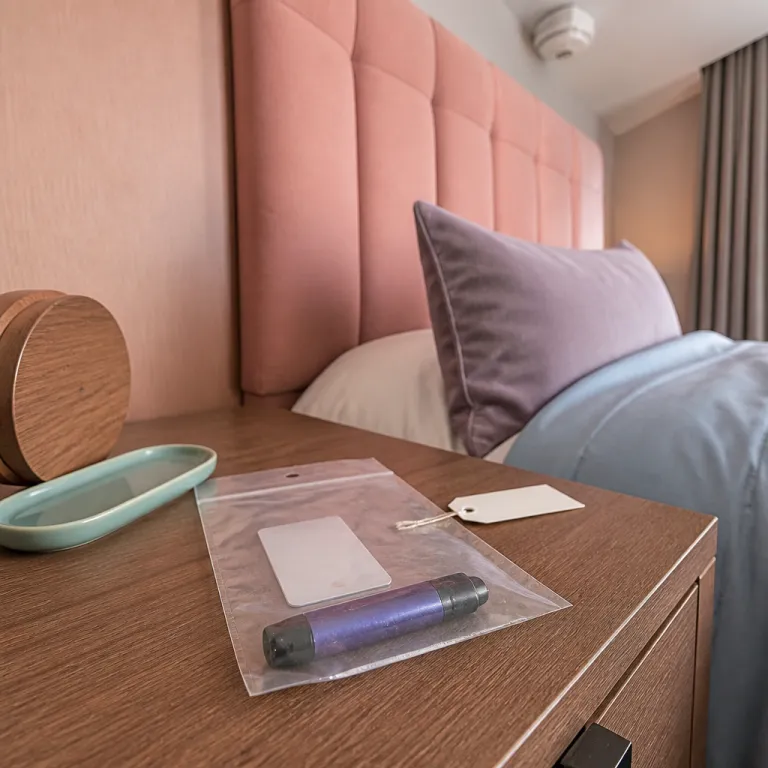
How hotels in urban getaways actually detect vaping in rooms
Urban travellers often ask can hotels tell if you vape during a city stay. In dense city centres, a hotel must protect both guests and infrastructure, so managers now treat vaping and traditional smoking as similar risks. That shift shapes how rooms are monitored, how staff respond, and how much your stay may ultimately cost.
Most large hotels already use smoke detectors in every hotel room and corridor. These detectors were designed for cigarette smoke and fire, yet many newer systems can also detect vaping aerosols when vapor accumulates. When you book hotel rooms in compact city towers, you should assume that some form of detection systems is operating quietly above you.
Modern urban properties increasingly add vape detectors alongside standard smoke alarms. A dedicated vape detector or network of vape sensors can track changes in air quality and particle density. According to product documentation from manufacturers such as Verkada and IPVideo, smart sensor units can send real time alerts to the front desk when they detect vaping signatures in the air.
From smoke detectors to smart sensors : what technology can detect vaping
Traditional smoke detectors rely on either ionisation or photoelectric technology to sense smoke from a fire. These devices respond strongly to dense cigarette smoke, yet they are less reliable when vapor from a vape disperses quickly. That is why many urban hotels now layer several detection systems rather than trusting a single smoke detector in each room.
Specialised vape detectors and vape sensors measure particulate matter, humidity shifts, and volatile compounds. When a guest uses a vape in a hotel room, the vapor can trigger these smart sensor units even if no visible smoke lingers. Vendor spec sheets for commercial vape sensors describe algorithms that distinguish aerosol patterns from normal background air quality.
Some brands also link hotel smoke alarms, air quality monitors, and cameras in corridors. These integrated monitoring networks help staff pinpoint which rooms show repeated spikes in vapor or smoke. One large hotel group, for example, trains staff that “any confirmed evidence of smoking or vaping in a non smoking room may result in a specialised cleaning fee,” so respecting no smoking and no vaping bans is the simplest strategy.
Why urban hotels care : safety, cleaning costs, and guest experience
City properties operate in tightly packed neighbourhoods where fire risk is taken seriously. Even if vaping produces less smoke than a cigarette, a hotel must treat any indoor smoke or vapor as a potential hazard. Industry surveys from hotel associations report that a large majority of hotels with smoke detectors now enforce strict no vaping policies in standard rooms.
Odour and residue also matter because cleaning teams work under pressure between check out and check in. When a guest vapes heavily in hotel rooms, vapor particles cling to fabrics, and cleaning staff must spend longer on curtains, carpets, and upholstery. Those extra minutes add labour costs and may require specialised hotel vape deodorising products for stubborn smells.
Urban travellers expect fresh air quality when they open the door to their hotel room. If previous guests ignored smoking rules, the next guest may complain about lingering hotel smoke or visible vape residue. For new openings highlighted among the hotels opening their doors this summer and why they matter, strict enforcement of smoking and vaping rules is now part of brand positioning.
How policies work : what happens if a hotel detects vaping
Most urban hotels publish clear smoking and vaping rules at booking and at check in. When a property can tell that a guest has used a vape in a non smoking room, staff usually follow a set protocol. That protocol balances guest safety, policy compliance, and the need to keep other guests comfortable.
Front desk staff may receive real time alerts from vape detectors or smoke alarms. If a smart sensor flags repeated vapor spikes, security or duty managers can visit the room to speak with the guest. In many hotel case studies, the first step is a warning, followed by a cleaning fee if the guest continues.
Penalties often reflect the extra cleaning required after indoor vaping or smoking incidents. Hotels may charge a fixed amount to cover deep cleaning, air quality treatment, and potential room downtime. Staff training materials now treat questions such as "Can hotels detect vaping?" and "What happens if caught vaping in a hotel?" and "Do all hotels prohibit vaping?" as standard topics.
Urban strategies : choosing the right hotel if you vape
Travellers who use a vape need to plan their urban getaways carefully. Before booking, read the hotel policy on smoking and vaping and check whether any smoking rooms or outdoor terraces are available. Some vaping friendly hotels provide designated areas where guests can use a vape without affecting other rooms or triggering detectors.
In compact city properties, corridors are narrow and ventilation is shared between many rooms. That means vapor from a single hotel room can drift into neighbouring rooms and set off smoke detectors or vape sensors. When you stay in a hotel that markets itself as smoke free, expect strict enforcement and possible use of hotel vape monitoring technology.
Some urban travellers prefer smart, tech forward stays that are transparent about their detection systems. At a smart base for Iceland’s capital such as this urban stays at a smart hostel in Reykjavik, you will usually find clear signage about where smoking and vaping are allowed. Choosing hotels that communicate openly about air quality and hotel smoke policies helps you avoid misunderstandings.
Practical etiquette : how to respect hotel rules on vaping in cities
Respecting hotel rules on vaping is part of being a considerate urban guest. If a hotel bans smoking or vaping inside, use only the designated outdoor smoking areas and never your room. This protects air quality for other guests and reduces the risk of triggering smoke alarms or vape detectors.
When you arrive, ask staff where you may smoke or use a vape legally. Clear communication with the hotel team prevents awkward conversations later if sensors detect vaping or if cleaning staff notice vapor residue. Remember that in many hotels with advanced detection systems, a smart sensor can detect even brief puffs in real time.
For city breaks where you plan to vape, choose properties that state whether they offer smoking rooms or outdoor terraces. Avoid improvising in bathrooms or near windows because smoke detectors and vape sensors are often installed in those spaces. Treat every hotel room as a shared environment that must be ready for the next guest within hours.
Key figures on hotel vaping detection and urban stays
- Industry surveys indicate that a large majority of hotels with smoke detectors enforce some form of no smoking policy, which now usually includes vaping in standard rooms; always check the specific wording for your chosen property.
- Hotel associations report a steady increase in the use of air quality monitors and vape detectors, especially in high density urban properties where rapid detection reduces safety risks and guest complaints.
- Cleaning contractors working with large city hotels note that deep cleaning after indoor vaping or cigarette use can extend room turnaround time by 20 to 30 minutes per stay, depending on odour and residue.
- Security companies supplying commercial smart sensor systems report that real time alerts have reduced unresolved smoking and vaping incidents in monitored floors in internal case studies, although exact percentages vary by property.
FAQ about whether hotels can tell if you vape
Can hotels tell if you vape in a non smoking room ?
Yes, many hotels can tell if you vape in a non smoking room because they use a mix of smoke detectors, vape sensors, and odour checks by cleaning staff. Even when vapor seems to dissipate quickly, residue on fabrics and changes in air quality can reveal recent vaping. In urban towers with advanced detection systems, alerts may reach staff in real time.
Will vaping set off a standard smoke detector in a hotel room ?
Vaping does not always trigger a traditional smoke detector, but it can when vapor is dense or blown directly toward the device. Photoelectric smoke detectors are more likely to react to visible aerosols than older ionisation models. Because hotels cannot predict guest behaviour, many now add dedicated vape detectors to reduce false negatives.
What happens if a hotel catches a guest vaping indoors ?
If a hotel detects vaping indoors, staff usually visit the room, remind the guest of policy, and may apply a cleaning fee. Charges are meant to cover extra cleaning costs, odour removal, and any downtime if the room cannot be resold immediately. In repeated or severe cases, management can ask the guest to leave the property.
Do any hotels allow vaping inside rooms ?
A small number of properties still offer smoking rooms or private terraces where cigarette use and sometimes vaping are allowed. Even in these vaping hotels, rules are specific about which rooms or balconies are included and which areas remain smoke free. Always confirm with the hotel before assuming that your room is a permitted vaping hotel room.
How can I avoid problems with vaping during an urban getaway stay ?
To avoid problems, read the hotel policy carefully, ask at check in, and use only designated smoking areas. Never vape in a hotel room that is clearly marked as non smoking, because detectors and staff inspections can still detect vaping after you leave. Choosing properties that communicate clearly about smoking and vaping rules will keep your city break relaxed and penalty free.