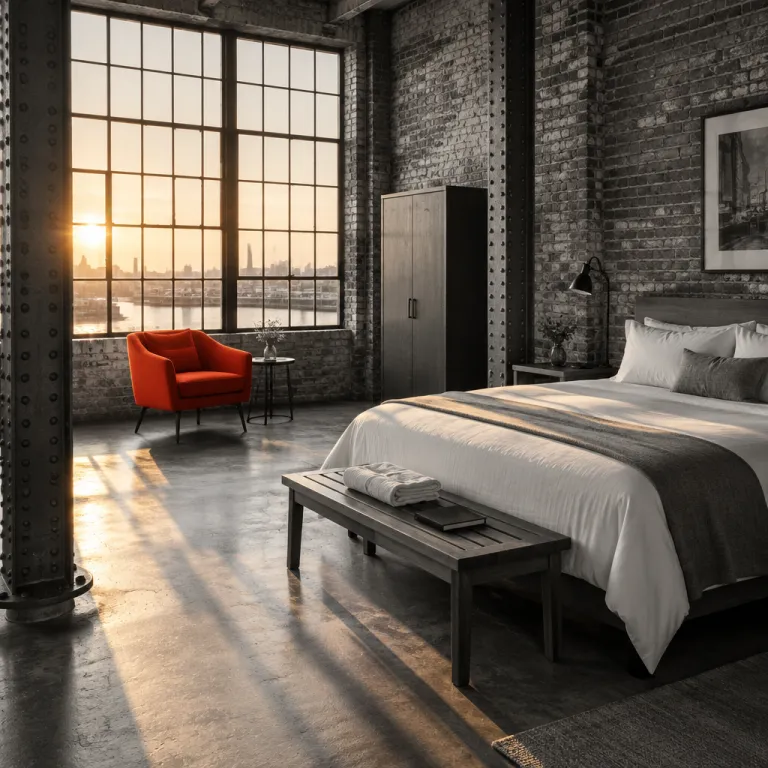
Why adaptive reuse hotels have become the new urban getaway
Urban travelers are increasingly drawn to the new wave of warehouse and factory conversions because these adaptive reuse hotels offer character that ground-up builds rarely match. Across the United States, developers, architects and local governments are turning every kind of existing structure into places to sleep, work and linger, and the results feel far more personal than anonymous glass towers. This shift means that where you stay today often tells you as much about a city’s culture as any museum or gallery.
Adaptive reuse is the practice of repurposing an old building for a new function, and hotel conversions sit at the intersection of sustainable development, historic preservation and contemporary hospitality. A 2021 analysis by the American Institute of Architects noted that reuse projects can cut construction-related carbon emissions by up to 50 percent compared with new builds, while a study for the National Trust for Historic Preservation found that rehabilitation can be cost-competitive or cheaper than demolition and replacement in many U.S. cities. Those numbers help explain why factories, post offices and even former office towers are being reimagined as hotels across the country. The National Trust’s “Preservation Green Lab” has documented hundreds of rehabilitation and reuse projects nationwide, a pattern that signals how mainstream this once niche strategy has become.
For travelers, the appeal of industrial-era hotel conversions is both emotional and practical, because these buildings come with generous volumes, tall windows and a ready-made narrative. You are not just checking into a room; you are stepping into a historic chapter of the city, whether that is a freight station, a telephone exchange or a printing works. The best historic hotels created through adaptive reuse respect the original work of engineers and craftspeople while quietly layering in the acoustic privacy, thermal comfort and natural light that urban couples expect today.
From factories to riverfront inns: how industrial shells become places to stay
The most compelling warehouse-to-hotel transformations start with a clear reading of the existing building and its neighbourhood. Architects reinforce the structure, preserve the façade and then choreograph circulation so that guests move through the same volumes where workers once clocked in for their shift. This process of reuse is not nostalgic stage dressing; it is a precise design exercise that weighs what to keep, what to strip back and what to add.
Consider the way former mills and canneries along the Napa River in California have been transformed into intimate river inn style properties, where brick walls and timber beams frame views of working waterfronts rather than postcard promenades. In these reuse projects, interior design often leaves concrete columns exposed, pairs them with soft textiles and uses lighting to highlight historic details that would have been invisible during the building’s industrial life. Travelers who choose such hotels across the U.S. are effectively voting for a more sustainable form of urban housing and hospitality, one that values embodied energy and cultural memory.
Rail infrastructure has also become fertile ground for adaptive reuse, with several station hotel conversions turning dormant concourses into lively public rooms. Union Station properties in cities like Denver, Colorado, and Oklahoma City, Oklahoma, show how a station can function as both transport hub and inn, with guests sleeping where passengers once waited for long distance trains. As architect and preservation advocate Michael Murphy notes, “When you reuse a civic building as a hotel, you are not just saving walls; you are keeping a public story alive for the next generation of travelers.” For a deeper look at how grand urban properties can anchor a city’s second act, the piece on quiet European escapes and reborn destinations offers a useful counterpoint to these more industrial narratives.
Design principles: where restoration ends and renovation begins
Every successful industrial building conversion negotiates a delicate line between restoration and renovation. Developers and architects must decide which historic scars to leave visible, which structural elements to reinforce and where to insert new volumes for lifts, stair cores or mechanical systems. The goal is to let the building speak in its own voice while ensuring that guests experience comfort levels that match any contemporary suite hotel.
Interior design teams working on adaptive reuse hotels often begin by mapping natural light, existing window openings and original circulation routes. They then layer in guest rooms, public spaces and work areas so that the new programme respects the old logic of the building, whether it began life as a factory, an office or a station. In many of the most admired historic hotels across the U.S., you will notice that the lobby occupies a former loading bay, the bar sits under a gantry crane and the restaurant spills into what was once a production hall.
Designers also think carefully about acoustics, insulation and privacy, because industrial buildings were never meant to host sleeping guests. Thickened floors, secondary glazing and carefully detailed junctions allow a museum hotel or river inn to feel serene even when it sits beside a busy urban artery. For travelers interested in how hospitality design translates to other forms of adaptive travel, the guide to urban minded cruise ship layouts shows similar thinking about volume, circulation and the choreography of public and private space.
Case studies: where adaptive reuse reshapes entire neighbourhoods
Some of the most influential hotel conversions sit not in traditional tourist cores but in working districts that are now evolving. In San Francisco, for example, former industrial buildings south of Market Street have become hotels, offices and housing, creating mixed use blocks where guests share pavements with designers, coders and long term residents. Staying in such a hotel means waking up in a neighbourhood that feels like the city’s future rather than its past.
Across America, properties like Hotel Grinnell in Iowa, which occupies a former 1921 junior high school, and the Atheneum Suite Hotel in Detroit, which anchors the Greektown district with a postmodern complex completed in the 1990s, show how adaptive reuse and context-sensitive design can stabilise downtowns that once emptied after office hours. In Santa Fe, the historic La Posada de Santa Fe has long demonstrated how a former 19th-century residence and artists’ colony can evolve into a layered inn, while in Cincinnati the conversion of the 1930s Lunken Airport terminal into the 34-room Art Deco–inspired hotel at the Lunken Airport terminal signals how even aviation infrastructure can gain a second life. These inducted historic properties often join groups of landmark hotels that celebrate architecture as much as service, and they tend to attract travelers who care about context.
Internationally, the trend extends from convento hotel conversions in former monasteries to station hotel projects in European capitals, each one turning a single existing building into a catalyst for wider reuse projects. A museum hotel in a former post office might spark galleries and cafés on adjacent streets, while a river inn on a once neglected quay can anchor a new promenade. For a broader perspective on how grand urban properties can reposition entire capitals, the feature on Gran Vía’s new generation of design led hotels offers a compelling parallel.
How to choose and experience an adaptive reuse stay
Choosing a converted industrial hotel for your next city break starts with understanding what kind of story you want the building to tell. Some couples gravitate toward raw shells where the interior still feels like a factory floor, while others prefer softer conversions where the design leans into residential comfort. Either way, the most rewarding stays come when you treat the hotel as both accommodation and informal museum.
Before you book, research the building’s history, its role in local culture and whether it has been inducted into any recognised lists of historic hotels. Many of the most interesting hotels across the U.S. share detailed narratives about their past lives, from union station origins to chapters as civic offices or warehouses, and these stories can shape how you move through the interior. Once on site, walk the staircases, read the plaques and pay attention to how the adaptive design reveals traces of earlier work, whether that is a bricked up loading door or a preserved piece of machinery.
Guests who value sustainability should also look for clear explanations of how the hotel has approached adaptive reuse, from energy performance upgrades to community engagement. Ask how the property collaborates with neighbours, whether it supports local housing initiatives and how it contributes to the area’s culture today rather than simply trading on a historic image. As one industry explainer puts it, “What is adaptive reuse?” and “Why convert factories into hotels?” sit alongside “Are adaptive reuse hotels sustainable?” for a reason, because “Repurposing old buildings for new uses.” and “To preserve history and attract tourists.” only work when “Yes, they reduce waste and conserve resources.”
FAQ
What is adaptive reuse in the context of urban hotels?
Adaptive reuse in hospitality means taking an existing building, such as a factory, office block or station, and converting it into a hotel while preserving key structural and historic elements. The process typically involves structural reinforcement, façade conservation and a complete rethinking of the interior layout to accommodate guest rooms, public spaces and back of house areas. For travelers, this approach delivers hotels with stronger narratives, richer material palettes and a smaller environmental footprint than many new builds.
Why are so many factories and stations becoming hotels today?
Many cities in the United States and across America have large stocks of underused industrial and transport buildings that no longer suit contemporary work patterns. Converting these structures into hotels allows developers to preserve historic architecture, revitalise neighbourhoods and tap into growing demand for unique urban stays. Because adaptive reuse can reduce construction waste and often delivers cost savings compared with demolition and rebuilding, it has become a strategic tool for both private investors and local governments.
How can I tell if an adaptive reuse hotel respects the original building?
A respectful conversion will retain major structural elements, original window proportions and key circulation routes, rather than erasing them behind generic finishes. Look for visible traces of the building’s past, such as exposed beams, preserved signage or carefully restored brickwork, alongside modern interventions that clearly read as new. When the dialogue between old and new feels intentional and legible, the hotel is more likely to offer an authentic connection to the site’s history.
Are adaptive reuse hotels more sustainable than new constructions?
Reusing an existing building usually means retaining a large portion of its embodied carbon, which can significantly reduce the environmental impact compared with demolishing and rebuilding. Many adaptive reuse hotels also upgrade insulation, glazing and mechanical systems to contemporary standards, improving operational efficiency over the long term. While every project is different, travelers who prioritise sustainability often favour adaptive reuse properties because they align preservation, resource conservation and urban regeneration.
What should couples look for when booking an adaptive reuse stay?
Couples seeking a romantic urban getaway should consider the building’s story, the quality of the interior design and the character of the surrounding streets. Rooms that frame original architectural details, such as arched windows or steel trusses, often feel more atmospheric than generic layouts, especially when paired with thoughtful lighting and soundproofing. It is also worth checking how the hotel connects guests to local culture, whether through neighbourhood guides, partnerships with nearby restaurants or curated access to galleries and performance spaces.