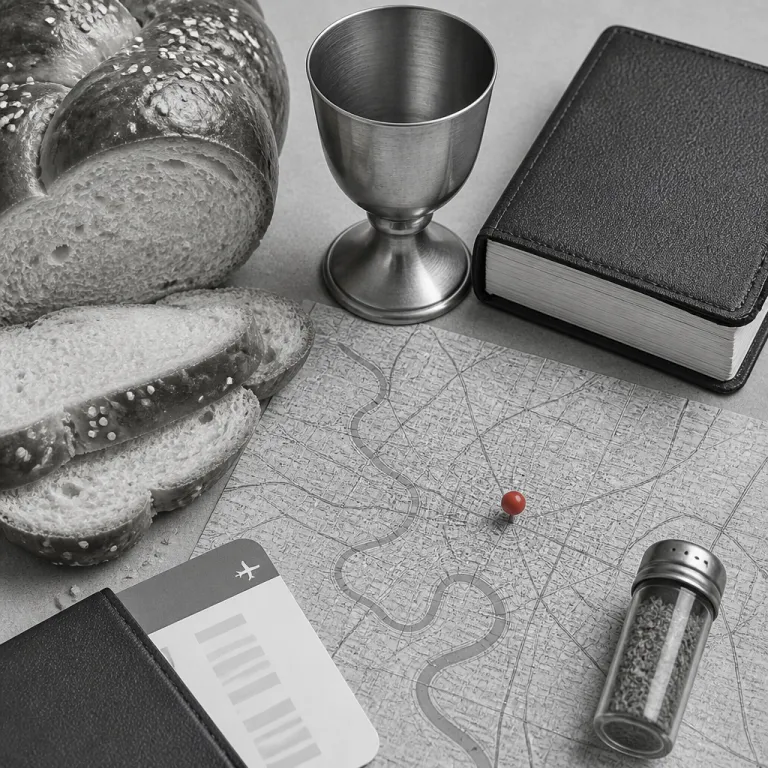
Planning an urban escape while spending Shabbat in Bangkok
Spending Shabbat in Bangkok can anchor a fast paced urban getaway with genuine spiritual calm. In the heart of Thailand, the capital’s dense skyline and humid streets frame a surprisingly cohesive Jewish community that welcomes observant travelers. For many people who love cities, this balance between intense energy and sacred pause turns Bangkok into a compelling base for wider journeys across the country.
The practical side of spending Shabbat in Bangkok starts with location, because staying within easy reach of synagogues and Chabad Bangkok simplifies every step. The main Chabad House in Bangkok functions as a hub for services, kosher food, and information, and it sits in a central district near Sukhumvit Road that connects efficiently to the city’s Skytrain and river boats. When you plan your urban itinerary, map your Friday movements so that you can walk back to your house or guest room before candle lighting without stress.
Shabbat observance in Bangkok follows the familiar rhythm of Friday evening to Saturday evening, yet the setting adds a distinct Southeast Asian character. Local Chabad houses publish service times online and by phone, but you should always confirm hours directly before traveling because schedules can shift with seasons and visitor numbers. As a rough guide, candle lighting in Bangkok often falls between 17:30 and 18:30 depending on the time of year, with Kabbalat Shabbat shortly afterward and Shacharit on Shabbat morning around 09:30, followed by a communal meal and Havdalah after nightfall.
For kosher travelers, two main kosher restaurants shape the experience of spending Shabbat in Bangkok. J Cafe, located in central Bangkok, offers Mediterranean and Middle Eastern dishes, while the Chabad House Kosher Restaurant serves kosher Thai and international plates that feel both local and reassuringly familiar. These kosher restaurants require advance reservations for Shabbat meals, and planning early by calling or messaging the Chabad office ensures that people with dietary needs are comfortably accommodated.
The city hosts an estimated Jewish population of around 1 000 people, a modest number in a metropolis of millions yet large enough to sustain a growing Jewish infrastructure. Community leaders highlight three core objectives for Shabbat in Bangkok: participate in services, enjoy kosher meals, and engage with the Jewish community. This focus on shared rituals and kosher food has encouraged growing Jewish tourism, which in turn supports more frequent events and better stocked kosher kitchens.
Before you arrive, assemble essentials such as a siddur, travel sized candlesticks, and a Kiddush cup, because relying on local supplies can be unpredictable. Many visitors also bring sealed kosher snacks for the journey between Bangkok and other Thai cities like Chiang Mai or Pattaya, where options may be more limited. One frequent visitor, Miriam S., summarized it this way in a note to the local community: “Once I had my basics packed and my Shabbat in Bangkok booked, the rest of Thailand felt wide open.” With thoughtful preparation, spending Shabbat in Bangkok becomes the stable core of a broader itinerary that includes both urban attractions and coastal or mountain escapes.
Spending Shabbat in Bangkok as a gateway to Thailand’s cities
Using Bangkok as your Shabbat base allows you to explore Thailand’s urban network at a measured pace. The city’s airports and rail stations connect efficiently to Chiang Mai, Pattaya, and the islands in the Gulf of Thailand, yet returning to the capital for Shabbat keeps kosher logistics straightforward. This rhythm mirrors the philosophy of slow summer travel in a single city, where depth of experience outweighs constant movement.
Many travelers structure their week around spending Shabbat in Bangkok, then heading north on Sunday night to Chiang Mai for cooler air and mountain culture. The Bangkok–Chiang Mai rail and flight connections make this transition easy, and you can reach Chiang Mai in under ninety minutes by plane with major carriers that operate several daily departures. Once there, you step into a different pace of life, with leafy lanes, historic temples, and access to nature that contrasts sharply with the capital’s vertical intensity.
Chiang Mai appeals to people who want to pair urban cafés and night markets with day trips to the countryside. From the city, you can visit Doi Inthanon National Park, where Thailand’s highest peak rises above misty forests and terraced fields. Ethical elephant sanctuary projects also operate in the region, and choosing a responsible elephant sanctuary that bans riding, limits group sizes, and prioritizes animal welfare aligns well with the values many Jewish travelers bring to their journeys.
Because kosher restaurants are scarce outside Bangkok, observant visitors often treat Chiang Mai as a place for self catering or simple vegetarian meals. Some rely on food brought from Bangkok’s kosher restaurants, especially vacuum packed items purchased before leaving the capital. This strategy keeps spending Shabbat in Bangkok as the culinary anchor of a longer itinerary that includes weekdays in Chiang Mai and other cities.
Pattaya, reached by road in roughly two hours, offers a different urban coastal experience with its long promenade and the famous Pattaya Beach. While Pattaya Beach is known for nightlife, it also provides daytime access to water sports and boat trips to nearby islands with clear water and sandy beaches. For observant travelers, the lack of established kosher restaurants in Pattaya means that day trips or short overnights work better than full weeks, with Shabbat still centered in Bangkok.
When planning these circuits, think in terms of clusters: Bangkok and Pattaya for urban coastal energy, then Bangkok and Chiang Mai for culture and mountains. This pattern respects the realities of kosher food access while still allowing you to experience multiple sides of the country. In practice, spending Shabbat in Bangkok becomes the structural spine of your Thailand journey, with weekday forays radiating outward and returning to the capital’s Jewish community for rest and reconnection.
Inside Bangkok’s Jewish community and Chabad houses
The heart of spending Shabbat in Bangkok lies in its Jewish community, which has grown steadily as tourism and regional business links expanded. At the center stands Chabad Bangkok, whose Chabad House functions as both synagogue and social hub for residents and visitors. This Chabad House in Bangkok is part of a wider network of Chabad houses across Thailand, including branches that support travelers heading toward Chiang Mai, Koh Samui, and Pattaya.
On a typical Friday, the Chabad House fills with people from many countries, from long term expatriates to backpackers who have just arrived from another island. The atmosphere is informal yet respectful, and the mix of languages reflects the global nature of the growing Jewish presence in Southeast Asia. For many solo travelers, this sense of instant community transforms spending Shabbat in Bangkok from a logistical challenge into a highlight of their time in the country.
Chabad houses in Thailand focus on three pillars: prayer services, kosher food, and practical support. In Bangkok, that means regular minyanim, communal meals, and staff who can advise on everything from local transport to medical care. The Chabad House Kosher Restaurant attached to Chabad Bangkok serves as both a dining room and a meeting place, where conversations about itineraries to Chiang Mai or Koh Samui unfold over plates of kosher Thai curry.
Urban travelers often appreciate how Chabad Bangkok integrates seamlessly into the city’s fabric, tucked among shops, cafés, and modest guesthouses. This mirrors the philosophy explored in this piece on staying in quieter neighbourhoods, where second tier streets offer authenticity and easier daily rhythms. Staying near the Chabad House places you close to public transport while avoiding the most chaotic nightlife zones.
For Shabbat, the Chabad House typically organizes candle lighting, Kabbalat Shabbat, and festive meals that draw both locals and visitors. The weekly cycle continues with Shacharit on Saturday morning, an afternoon gathering, and Havdalah to close the day, all of which make spending Shabbat in Bangkok feel structured and familiar. Because space and food are finite, advance registration is essential, especially during peak travel seasons when the number of guests can swell dramatically.
Visitors should remember that Chabad houses rely heavily on donations, and contributing generously helps sustain kosher food supplies and community programming. This support ensures that future travelers will also find a welcoming environment for Shabbat in Bangkok and other Thai cities. In return, you gain access to a network of information and hospitality that extends far beyond one meal, shaping your entire experience of Thailand’s urban attractions.
Kosher food, restaurants, and practical tips for observant travelers
For anyone spending Shabbat in Bangkok, access to kosher food is the single most important practical concern. The city currently hosts two primary kosher restaurants that serve both residents and visitors, and they form the backbone of kosher vacations in the Thai capital. J Cafe specializes in Mediterranean and Middle Eastern cuisine, while the Chabad House Kosher Restaurant offers a mix of Thai and international dishes prepared under strict supervision.
These kosher restaurants not only provide meals but also sell packaged kosher food that travelers can carry to other parts of Thailand. Before heading to Chiang Mai, Pattaya, or any island in the Gulf of Thailand, many observant visitors stock up on items like bread, spreads, and ready to eat mains. This habit allows them to enjoy local attractions during the week while keeping Shabbat meals anchored in Bangkok’s more reliable kosher infrastructure.
When planning your stay, check service times and meal availability directly with the community, because demand fluctuates with tourism patterns. The local guidance is clear: “Check service times in advance, reserve meals at kosher restaurants, be aware of local customs.” That simple sentence captures the essence of responsible planning for spending Shabbat in Bangkok, where urban complexity and religious needs intersect.
Bangkok’s supermarkets increasingly carry imported kosher certified products, though selection varies by branch and season. High end grocery stores in central malls sometimes stock kosher snacks, cereals, and wine, which can supplement meals from the main kosher restaurants. Still, you should not rely solely on retail shelves, because supply chains in a tropical country can be unpredictable and labels may not always be familiar.
For those combining city breaks with beach time, it is wise to think of kosher food in layers: fresh meals in Bangkok, packaged items for travel days, and simple vegetarian options elsewhere. This layered approach works especially well if you plan to visit Pattaya Beach or an island in the Gulf of Thailand, where kosher infrastructure is minimal. With careful preparation, you can enjoy clear water, sandy beaches, and vibrant street life during the week while returning to Bangkok for a fully catered Shabbat.
Urban logistics also matter, so choose accommodation within walking distance of Chabad Bangkok or your preferred synagogue. Bangkok’s tropical climate can be intense, and a twenty minute walk in the heat feels very different from a short stroll, especially in Shabbat clothes. By aligning your lodging, kosher food plans, and prayer schedule, you transform spending Shabbat in Bangkok from a compromise into a refined urban ritual.
From Bangkok to Koh Samui, islands, and coastal escapes
Many travelers dream of pairing spending Shabbat in Bangkok with time on Thailand’s islands, where clear water and sandy beaches frame a slower rhythm. The Gulf of Thailand, especially around Koh Samui, offers an appealing contrast to the capital’s dense traffic and neon glow. For observant visitors, the key is to understand how the Jewish infrastructure in Bangkok supports forays to the island gulf without compromising Shabbat observance.
Koh Samui has its own Chabad presence, and the local Chabad House on the island provides services, kosher food, and guidance during peak seasons. This makes Koh Samui one of the few places outside Bangkok where kosher vacations are relatively straightforward, especially for people who want both beach time and communal prayer. Flights between Bangkok and Koh Samui are frequent, keeping the island within easy reach for those who wish to spend weekdays by the sea and return to the capital for Shabbat.
On Koh Samui, the main attractions revolve around beaches, boat trips, and inland excursions to waterfalls and viewpoints. Many visitors base themselves near beaches with calm, clear water, then arrange day trips to smaller islands scattered across the Gulf of Thailand. While the island’s atmosphere is relaxed, you still need to coordinate meal times with the Chabad House and confirm which days kosher food is available, especially outside peak holiday periods.
Some itineraries also include lesser known islands, sometimes referred to collectively as the island gulf, where infrastructure is more limited. In such places, there may be no Chabad houses or kosher restaurants, so travelers rely heavily on supplies purchased in Bangkok. This reinforces the idea that spending Shabbat in Bangkok provides the most secure base for observant visitors, with island stays best scheduled for weekdays when carrying food is more practical.
Names like Mai Koh or Koh Mai occasionally appear in local tour marketing, usually referring to small islands or specific beaches within the broader Gulf of Thailand region. These spots can be beautiful, with quiet coves and sandy beaches that feel far removed from the city, yet they rarely offer any Jewish community presence. Before booking, confirm exact locations and transport times, because returning to Bangkok before Shabbat from a remote island may not be easy.
For those who value both urban culture and coastal rest, a balanced plan might look like this: arrive in Bangkok midweek, spend Shabbat in the city with the Jewish community, fly to Koh Samui on Sunday, then return to Bangkok for the next Shabbat. This pattern respects halachic needs while still granting ample time for beaches, boat trips, and the relaxed charm of Thailand’s islands. In practice, the capital’s Chabad House and kosher restaurants become the logistical and spiritual anchor for every foray into the Gulf of Thailand.
Weaving local Thai culture into a Shabbat centered itinerary
Spending Shabbat in Bangkok does not mean isolating yourself from Thai culture; it simply shapes how and when you engage with the country around you. The days before and after Shabbat offer rich opportunities to explore temples, markets, and neighbourhoods that reveal how people in Bangkok live, work, and relax. By planning thoughtfully, you can experience both the city’s spiritual diversity and its everyday rhythms without compromising observance.
Within Bangkok, major attractions such as the Grand Palace, Wat Pho, and the riverside markets are best visited on weekdays when crowds are slightly thinner. Early mornings are particularly atmospheric, as monks collect alms and the heat remains manageable, leaving afternoons free for rest before Shabbat preparations. This pattern allows you to reserve Friday for lighter activities near your house or hotel, ensuring that you return in time for candle lighting and services at Chabad Bangkok.
Beyond the capital, cities like Chiang Mai offer a different cultural palette, with wooden houses, craft markets, and a strong connection to surrounding villages. Day trips from Chiang Mai to Doi Inthanon or to an ethical elephant sanctuary reveal how closely nature and culture intertwine in northern Thailand. Many Jewish travelers find that these experiences deepen their appreciation of Shabbat, as the weekly pause gains new meaning after days spent in forests, mountains, and rural communities.
In coastal areas such as Pattaya, the cultural story is more complex, mixing fishing heritage with mass tourism and nightlife. A walk along Pattaya Beach during the day reveals families, vendors, and local workers whose lives depend on the sea and the flow of visitors. For observant travelers, short visits to Pattaya work best as weekday excursions from Bangkok, with Shabbat still anchored in the capital’s Jewish community and kosher infrastructure.
Throughout Thailand, respect for religion is woven into daily life, from Buddhist temples to spirit houses outside modern office towers. This environment often makes local people curious yet respectful when they see Jewish visitors walking to synagogue or refraining from certain activities on Shabbat. Simple explanations about spending Shabbat in Bangkok usually receive warm responses, and this mutual respect enriches the experience of both hosts and guests.
By aligning your schedule with both Jewish and Thai rhythms, you create an itinerary that feels coherent rather than fragmented. Shabbat in Bangkok becomes the weekly heartbeat, while the days around it open windows into the country’s temples, markets, beaches, and mountains. The result is an urban getaway that honours tradition while engaging deeply with the culture of Thailand.
Key figures for spending Shabbat in Bangkok and Thailand
- The Jewish population in Bangkok is estimated at around 1 000 people, according to local community figures and Chabad of Bangkok communications, which is enough to sustain regular services and communal meals despite being a tiny fraction of the city’s total residents.
- There are currently two primary kosher restaurants in Bangkok, J Cafe and the Chabad House Kosher Restaurant, as listed in local directories and recent community updates, making advance reservations essential during peak travel seasons.
- Shabbat in Bangkok follows the global Jewish timetable from Friday evening to Saturday evening, with a typical schedule that includes candle lighting, Friday night services, Shabbat morning prayers, afternoon gatherings, and Havdalah.
- Bangkok’s central location in Thailand places major destinations such as Chiang Mai and Pattaya within a travel time of roughly one to two hours by plane or car, keeping them within easy reach for weeklong itineraries anchored by Shabbat in the capital.
- The Chabad network in Thailand includes multiple Chabad houses, notably in Bangkok, Chiang Mai (seasonal), Pattaya (seasonal), and Koh Samui, which collectively support a growing Jewish tourism sector focused on kosher vacations that combine urban stays with beach or mountain excursions.
FAQ about spending Shabbat in Bangkok
Are there kosher restaurants in Bangkok?
Yes, Bangkok currently has two main kosher restaurants that serve both residents and visitors. J Cafe focuses on Mediterranean and Middle Eastern dishes, while the Chabad House Kosher Restaurant offers kosher Thai and international cuisine under supervision. Both play a central role in spending Shabbat in Bangkok, and reservations are strongly recommended.
Can I attend Shabbat services in Bangkok?
Yes, you can attend regular Shabbat services at local synagogues and at the main Chabad House in Bangkok. The usual pattern includes Friday night prayers, Shabbat morning services with Torah reading, and Havdalah on Saturday evening. Always check service times in advance, because schedules can change with seasons and visitor numbers.
Is there an active Jewish community in Bangkok?
Bangkok hosts an active Jewish community of around 1 000 people, composed of long term residents, business travelers, and tourists. The community is centered around Chabad Bangkok and other synagogues, which organize services, classes, and communal meals. This infrastructure makes spending Shabbat in Bangkok both practical and socially engaging for observant visitors.
How should I prepare for Shabbat when traveling around Thailand?
If you plan to visit cities like Chiang Mai, Pattaya, or islands such as Koh Samui, organize your week so that Shabbat is spent in Bangkok or near a Chabad House. Stock up on packaged kosher food from Bangkok’s kosher restaurants before heading to areas with limited options. Carry essentials such as a siddur, travel candlesticks, and a Kiddush cup to maintain your usual Shabbat rituals.
Is it realistic to combine Thai beaches and mountains with Shabbat observance?
Yes, it is realistic to combine beaches, mountains, and urban culture with full Shabbat observance in Thailand, provided you plan carefully. Many travelers spend Shabbat in Bangkok, then use weekdays for trips to Chiang Mai, Pattaya Beach, or Koh Samui, returning to the capital for the next Shabbat. This pattern leverages Bangkok’s Jewish infrastructure while still allowing time for clear water, sandy beaches, and mountain attractions such as Doi Inthanon and ethical elephant sanctuaries.
Trustful expert sources: Chabad of Bangkok official communications; local Bangkok Jewish community estimates; Thailand Tourism Authority city and transport data; recent traveler reports shared with the Bangkok Jewish community.