Why Macao is the city break that outgrows its casino cliché
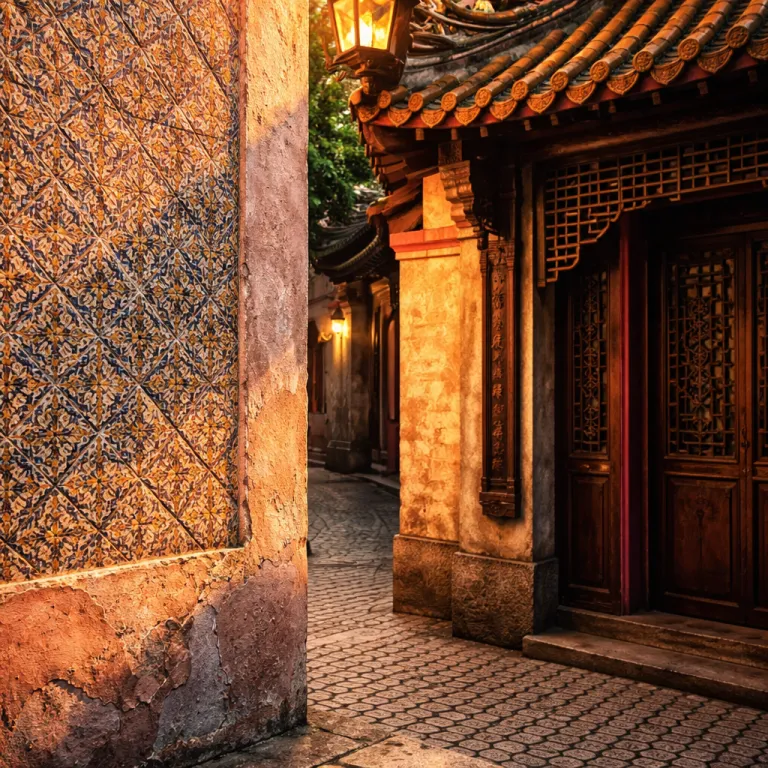
Macao is the only place in China where a dense Chinese old town wraps around pastel Portuguese façades and baroque churches. This layered streetscape means any culture and food focused Macao getaway starts with history, because the former Portuguese enclave still feels like a small European port folded into a Cantonese harbour city. Walk a few hundred metres and you will find incense heavy temples, tiled pavements, and Chinese shopfronts selling almond cookies in the same frame.
The Macao Government Tourism Office has leaned into this dual identity, curating cultural and culinary tours that move from Senado Square to A-Ma Temple and on to Coloane Village in a single day. Those routes show how Macao, officially part of China yet shaped by centuries of Portuguese administration, has become one of the Macau best urban getaways for travellers who want culture and food in equal measure. Euronews Travel has already called Macao one of the most unique city breaks in the region, and that assessment matches what you feel on the ground when church bells and temple gongs overlap at lunchtime.
For visitors used to quick hops to Hong Kong or even Las Vegas for a weekend, Macao offers a different rhythm and a more compact scale. You can check into one of the design forward hotels on the peninsula, then be at the Ruins of St Paul's or the Mandarin's House within ten minutes on foot, which is rare in any dense Chinese city. This is the kind of place where you eat Macao style street food at noon, sip Portuguese food friendly wines at dusk, and still have time for a late dim sum run before bed.
From egg tart to dim sum: how to eat your way through Macao
Any serious Macao food and culture itinerary starts at the pastry counter, because the egg tart here has become as famous as the skyline. At Lord Stow's Bakery in Coloane, founded in 1989 and still based on Rua do Tassara near the village square, you taste the original Macao egg tarts, with blistered caramel tops and a custard that sits between the Lisbon classic and a Cantonese dessert. Order one egg tart to eat warm on the square, then take a box of egg tarts back to your hotel’s fridge for a late night snack.
Macanese cuisine itself is a fusion of Portuguese food techniques and Chinese ingredients, and local experts define it clearly: "What is Macanese cuisine? A fusion of Portuguese and Chinese culinary traditions unique to Macao." That means you will find African chicken, minchi, and serradura on menus at Portuguese restaurants that also serve Chinese style stir fries and Cantonese soups. In the same streets, small cafés specialise in pork chop buns, where a crisp fried pork chop is wedged into a soft roll, creating one of the best quick bites to eat Macao style between museum visits.
For travellers who plan their trips around restaurants, Macao delivers at every level, from humble noodle stalls to fine dining rooms such as Robuchon au Dôme, often shortened locally to Robuchon Dome and perched at the top of Grand Lisboa. You can move from a morning dim sum session in one of the classic restaurants Macao locals favour, to a Macao Tower lunch with sweeping views, and end with a tasting menu that shows why UNESCO named the city a Creative City of Gastronomy in 2017. If you enjoy exploring vibrant cities filled with art, music, and history, Macao sits comfortably alongside other cultural urban getaways highlighted in our guide to urban getaways with cultural attractions.
Neighbourhoods beyond the Cotai Strip: where Macao’s character really lives
The Cotai Strip, with its mega resorts and neon, often draws the first comparison to Las Vegas, but the most interesting things Macao offers sit away from that corridor. On the Macao peninsula, the streets around Senado Square and the Ruins of St Paul's are dense with Chinese pharmacies, Portuguese tiled stairways, and small restaurants where you can eat Macao favourites like pork chop buns and almond cookies. Spend time here in the early morning, when delivery carts rattle over the stones and you will find locals queuing for dim sum before work.
Taipa Village is the next essential stop in any Macao city break guide, because it bridges the old peninsula and the Cotai Strip with a walkable grid of lanes. In Taipa you can check menus posted outside Portuguese restaurants, then slip into a side alley for Chinese snacks or Macao food skewers grilled over charcoal. Travellers who enjoy urban getaways with a village feel will appreciate how Taipa’s low rise houses, street art, and cafés echo the charm of European neighbourhoods, much like the timeless villages featured in our piece on day trips from New York with urban escapes.
Further south, Coloane offers a different side of Macao, with hiking trails, quiet beaches, and that famous Lord Stow bakery anchoring the main square. Here you can eat Macao egg tarts on a bench, then walk to the waterfront and watch fishing boats that remind you this is still a working corner of China, not just a playground for Hong Kong weekenders. It is one of the best places to reset after the Cotai Strip lights, and you will find that a half day here balances any intense city break energy.
Signature dishes and where to find them: a practical Macao food roadmap
Planning where to eat in Macao can feel overwhelming, because the density of restaurants Macao offers is high for such a compact city. A focused long weekend plan helps you prioritise, starting with Macanese classics like minchi, African chicken, and the essential pork chop bun. For the latter, you will find excellent versions at small cafés near Senado Square, where the pork is marinated with Chinese spices but served in a way that nods to Portuguese sandwiches.
Dim sum is another anchor of Macao food culture, and many visitors like to schedule one long brunch style session during their stay. Choose a traditional Cantonese hall for the full trolley experience, then another day check a more contemporary spot inside one of the Cotai Strip hotels for a refined take on the same dishes. This mix lets you taste how Chinese culinary traditions adapt to a city that also hosts some of the best fine dining rooms in Asia, including Robuchon Dome and other Michelin starred restaurants.
Do not skip the sweet side of Macao, because almond cookies, egg tarts, and serradura puddings tell their own story of cultural fusion. In the old town you will find bakeries where staff hand press almond cookies into tins, while in Taipa Village dessert cafés reinterpret Portuguese food classics with Chinese ingredients. If you enjoy curated food journeys in other regions, such as our guide to timeless villages in the Cotswolds, you will recognise the same attention to local flavour here, just translated into a dense Asian streetscape.
Planning your Macao city break: timing, logistics, and pairing with Hong Kong
For most travellers, three to four nights is the best duration for a Macao city break, giving enough time to explore the peninsula, Taipa, and Coloane without rushing. The most pleasant period to visit runs from October to December, when humidity drops and you can walk between Chinese temples, Portuguese churches, and waterfront promenades in comfort. Wear comfortable shoes, because the cobbled streets and stairways that make Macao beautiful also demand a bit of effort.
Macao pairs naturally with Hong Kong, and many travellers treat the two cities as a single extended urban getaway. High speed ferries from Hong Kong take around one hour, while the Hong Kong–Zhuhai–Macao Bridge road crossing can be as fast as 45 minutes in light traffic, so you can leave Hong Kong after breakfast and eat Macao dim sum by lunchtime, then return a few days later with a deeper understanding of how different Chinese cities express their identities. Where Hong Kong feels vertical and relentless, Macao feels more compact and layered, with the Macao Tower and Cotai Strip providing height while the old quarters keep everything grounded.
On the ground, English is widely spoken in tourist areas, and you will find signage in Chinese, Portuguese, and English, which makes navigation easy. Book hotels that place you within walking distance of both heritage sites and restaurants, so you can check several things Macao is known for in a single stroll, from pork chop buns to Portuguese restaurants with city views. As sustainable travel practices grow, Macao’s emphasis on guided walking tours, cultural presentations, and local food experiences positions it as one of the Macau best options for an urban escape that feels both intense and deeply rooted in place.
FAQ
What is Macanese cuisine and how is it different from Cantonese food?
Macanese cuisine blends Portuguese food techniques with Chinese ingredients, creating dishes such as African chicken, minchi, and serradura that you will not find elsewhere in China. It differs from standard Cantonese food by using spices, marinades, and baking methods that arrived with Portuguese traders and evolved locally over centuries. In practice, a Macao travel guide focused on culture and food will point you to restaurants that serve both dim sum and Macanese plates, often in the same dining room.
How many days should I spend in Macao for a culture and food focused trip?
A stay of three to four nights gives enough time to explore the main heritage sites, sample Macao food across different neighbourhoods, and enjoy at least one fine dining experience. With this duration you can visit the Ruins of St Paul's, A-Ma Temple, Mandarin's House, and Macao Tower without rushing your meals. Shorter trips are possible, especially if you combine Macao with Hong Kong, but you will find that extra time lets you eat Macao specialities at a more relaxed pace.
Is English widely spoken in Macao’s restaurants and hotels?
English is widely spoken in most hotels, major restaurants, and tourist facing venues across Macao. Menus in restaurants Macao visitors frequent are usually available in Chinese and English, and sometimes Portuguese as well. In smaller local places you may rely more on pointing and simple phrases, but staff are generally used to international guests and will find a way to communicate.
What is the best time of year to visit Macao for comfortable sightseeing?
The most comfortable period for walking focused sightseeing in Macao runs from October to December, when temperatures are milder and humidity is lower. During these months you can spend long days moving between Chinese temples, Portuguese churches, and outdoor food stalls without the intense heat of high summer. This timing also suits travellers who want to combine Macao with Hong Kong, since both cities feel more pleasant for urban exploration.
Do I need to book restaurants in advance for popular Macao dining spots?
For high profile fine dining venues such as Robuchon Dome and other Michelin starred restaurants, advance reservations are strongly recommended, especially for weekend evenings. Casual places serving pork chop buns, dim sum, and egg tarts usually accept walk ins, although you may need to queue at famous spots like Lord Stow's Bakery. A well planned Macao itinerary for food and culture balances a few booked meals with spontaneous stops, so you can check both headline experiences and hidden neighbourhood favourites.