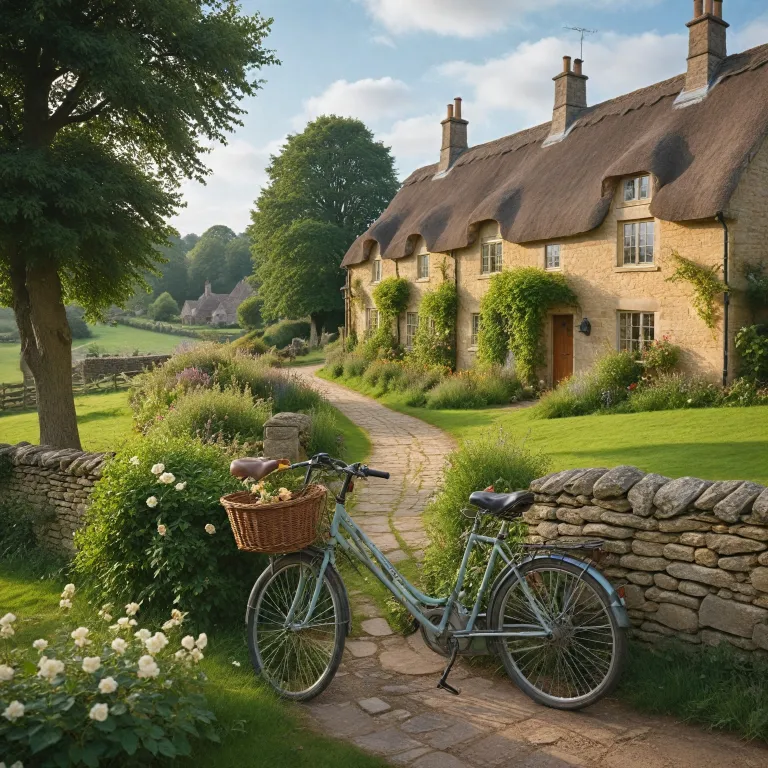
Why the villages in the Cotswolds feel like an urban escape reset
The villages in the Cotswolds offer a rare kind of urban getaway, where city noise fades yet culture and comfort remain close. In this region, each village balances deep rural tranquillity with easy access to a nearby town, so you can pair gallery visits and fine dining with quiet evenings beside a river. For travellers used to dense skylines and fast commutes, the Cotswold countryside opens a slower rhythm that still feels connected and sophisticated.
The wider cotswolds area is officially recognised for its natural beauty, and that status shapes every stay. More than half of the region is protected landscape, which means stone buildings, hedgerows, and fields are carefully preserved, and you will find that conservation ethos in local manor restorations and village planning. Cotswolds Tourism and Local Parish Councils work together to promote sustainable tourism, so when you visit a village you also support long term heritage and community well being.
For urban travellers, the prettiest villages are not only about postcard views but also about logistics and time. Public buses, guided tours, and cycling routes link key towns and villages, although planning ahead is essential because services can be limited outside main hubs. Many visitors choose a central town such as Stow on the Wold or Moreton in Marsh as a base, then design a road trip that loops through several cotswold villages in one stay.
Walking remains the most rewarding way to experience each village and its surrounding countryside. A short walk from a busy high street can lead to a quiet river, a hidden manor house, or a churchyard with sweeping views over the cotswold hills. This blend of compact towns, intimate villages, and open fields creates an urban escape that feels complete without feeling remote.
Castle Combe, Slaughters, and the art of slow travel between towns and villages
Castle Combe is often described as the prettiest village in England, and it sets a high standard for other villages in the Cotswolds. The village curves gently along a stream, framed by honey coloured stone buildings that seem unchanged by time, and every corner invites a slower pace. When you walk from the old bridge towards the church, the absence of modern signage and heavy traffic makes the whole area feel like a carefully curated urban retreat.
In Castle Combe, the historic manor house near the edge of the village adds a sense of grandeur without overwhelming the scale of the place. Staying in a traditional hotel or guest house here allows you to experience evenings when day visitors have left, and the village becomes quiet enough to hear the river. From this base, many travellers plan a road trip that links Castle Combe with other cotswold villages, combining rural calm with occasional town energy.
The twin villages of Lower Slaughter and Upper Slaughter sit along the River Eye, and they reward unhurried exploration. A gentle walk between each village follows the river, passing stone buildings, converted mills, and small bridges that photograph beautifully in soft light. These villages in the cotswolds are residential at heart, so visitors are encouraged to respect private property and keep noise low, especially in the evening.
Urban travellers who value refined accommodation can look to curated guides such as this overview of top luxury hotels for business travellers to understand how service standards translate between cities and countryside. While the context differs, the expectation of attentive staff, thoughtful design, and seamless logistics remains similar in a Cotswold manor or town hotel. Combining these comforts with village walks and riverside paths creates a balanced itinerary that feels both indulgent and restorative.
Stow on the Wold, Moreton in Marsh, and the rhythm of market towns
Stow on the Wold and Moreton in Marsh illustrate how towns and villages in the Cotswolds work together as a single travel experience. Stow on the Wold, sometimes written as Stow Wold in older references, sits high on a hill and has long served as a market town for surrounding villages. Its central square, antique shops, and traditional inns make it an ideal base for visitors who want urban style amenities within easy reach of the countryside.
Moreton in Marsh lies on a key rail line, which makes it one of the most practical entry points for a visit without a car. From the station, you can connect by bus or taxi to nearby cotswold villages, or join guided tours that link several towns and villages in a single day. The town’s weekly market, seasonal events, and range of hotel options give urban travellers a familiar sense of bustle before they step into quieter lanes.
Between these hubs, you will find smaller settlements where a single main street, a church, and a manor house define the village character. Many visitors choose to stay in Stow on the Wold, then plan day trips to places such as Bourton on the Water, Chipping Campden, and the Slaughters. This pattern allows you to enjoy restaurant choice and transport connections in the evening, while spending daytime hours on a countryside walk or riverside picnic.
For those who appreciate historic architecture, the stone buildings in these towns and villages tell a clear story of wool trade wealth and later Arts and Crafts influences. Narrow alleys open suddenly into wide squares, and old coaching inns now serve as contemporary hotel spaces with modern comforts. This layering of history and hospitality gives the cotswolds a depth that rewards repeat visits and longer stays.
Bourton on the Water, the River Windrush, and waterside village life
Bourton on the Water is one of the most visited villages in the Cotswolds, and its setting on the River Windrush explains much of the appeal. Low stone bridges cross the shallow river at regular intervals, creating a sequence of views that feel almost theatrical in their symmetry. On warm days, families paddle in the water while others sit on the grass beneath trees, and the whole village functions as a relaxed urban park transplanted into the countryside.
Because Bourton on the Water can become busy at peak times, planning your visit for early morning or late afternoon can transform the experience. At quieter hours, the reflections of stone buildings in the river are easier to appreciate, and you will find space to pause on each bridge without feeling rushed. Many travellers combine Bourton on the Water with nearby villages in a single day, using local buses or short taxi rides to move between locations.
From Bourton, a gentle walk along the River Windrush leads towards smaller hamlets and open fields, offering a contrast to the lively village centre. This route is ideal for urban visitors who want a manageable countryside walk without committing to a full day hike, and it showcases how closely towns and villages are woven into the landscape. Cafés, tearooms, and small hotels line the main street, so you can return from the fields to a comfortable stay within minutes.
Further along the region, Arlington Row in Bibury provides another iconic waterside scene, with a terrace of stone cottages facing a narrow stream. Many travellers regard Arlington Row as one of the prettiest villages settings in the cotswolds, especially when soft light catches the roofs and gardens. Together, Bourton on the Water and Bibury demonstrate how water shapes village life, from historic mills to contemporary leisure.
Chipping Campden, stone villages, and the architecture of quiet luxury
Chipping Campden, sometimes spelled Chipping Camden in older texts, is a refined example of how cotswold towns and villages express quiet luxury through architecture rather than excess. Its long high street is lined with stone buildings that vary subtly in height and detail, creating a harmonious streetscape that feels both historic and contemporary. At one end, the old market hall anchors the town, while side lanes lead quickly into residential streets and open countryside.
In Chipping Campden, many former merchant houses now serve as elegant guest accommodation, restaurants, or cultural venues. This adaptive reuse preserves the character of each house while meeting the expectations of modern travellers who value comfort, design, and attentive service. For readers interested in how historic properties function in an urban context, this guide to historic hotels and urban charm offers useful parallels.
Beyond the town, nearby villages in the Cotswolds such as Broad Campden and Ebrington showcase smaller scale interpretations of the same stone building tradition. A short walk from Chipping Campden can bring you to hedged lanes, farm tracks, and viewpoints that open window like vistas over the surrounding hills. These routes are particularly appealing for urban travellers who want a half day excursion that combines architecture, landscape, and village life.
Throughout this area, manor houses and farmsteads sit comfortably within the countryside, often reached by narrow roads that reward unhurried driving. Planning extra time for each transfer between towns and villages helps reduce stress and allows space for spontaneous stops at churches, viewpoints, or farm shops. This slower approach aligns with the region’s emphasis on sustainable tourism and respect for local communities.
Planning your Cotswolds itinerary for sustainable, village focused travel
Designing an itinerary around villages in the Cotswolds works best when you balance ambition with realism. Distances between each village and town may look short on a map, but narrow roads, limited public transport, and tempting viewpoints can extend travel time. Choosing two or three bases, such as Stow on the Wold, Moreton in Marsh, and Castle Combe, allows you to explore nearby cotswold villages without constant packing and unpacking.
When planning where to stay, consider whether you prefer a hotel in a lively town or a quieter manor house in a village setting. Town stays offer easier access to restaurants, shops, and buses, while village stays provide immediate access to countryside walks and riverside paths. In both cases, booking ahead is essential during busy periods, as the most characterful properties in the cotswolds can fill quickly.
Sustainable travel choices make a tangible difference in this largely rural area. Whenever possible, use public transport, shared transfers, or guided tours to move between towns and villages, and walk or cycle for shorter distances. Respect residential streets by keeping noise low, parking only in designated areas, and remembering that many of the prettiest villages are also everyday communities.
Official resources such as Cotswolds Tourism and Local Parish Council websites provide up to date information on events, walking routes, and any local guidelines. As one regional overview notes, “Some of the most picturesque villages include Castle Combe, often dubbed 'the prettiest village in England', and Broadway, known as the 'Jewel of the Cotswolds'.” Another practical reminder states, “Travel options include public buses, guided tours, cycling routes, and car rentals. It's advisable to plan routes in advance due to limited public transport in some areas.” A final heritage focused note confirms, “Yes, many villages feature historical sites such as St. Lawrence's Church in Bourton-on-the-Hill and the 13th-century St. Peter's Church in Little Rissington.”
Key statistics about tourism in the Cotswolds
- Annual visitors to the Cotswolds : 23 000 000 people.
- Population of the Cotswolds : 140 000 people.
- Percentage of the Cotswolds designated as Area of Outstanding Natural Beauty : 60 percent.
Essential questions about visiting villages in the Cotswolds
What are the most picturesque villages in the Cotswolds ?
Some of the most picturesque villages in the Cotswolds include Castle Combe, Broadway, Bibury with Arlington Row, Bourton on the Water, and the twin villages of Lower Slaughter and Upper Slaughter. Each village offers a distinct mix of riverside views, stone cottages, and historic churches. Combining several of these in one itinerary creates a rich and varied experience.
How can I travel between villages in the Cotswolds ?
Travel between villages in the Cotswolds is possible by public bus, guided tour, cycling, or car rental. Services can be limited, so it is wise to check timetables in advance and allow extra time for connections. Many visitors choose a market town base, then use a mix of walking, taxis, and occasional buses to reach nearby villages.
Are there notable historical sites in the Cotswolds villages ?
Yes, many villages in the Cotswolds feature notable historical sites, including medieval churches, manor houses, and traditional market halls. Examples include St Lawrence’s Church in Bourton on the Hill, St Peter’s Church in Little Rissington, and the market hall in Chipping Campden. These sites help explain how trade, religion, and rural life shaped the region over centuries.