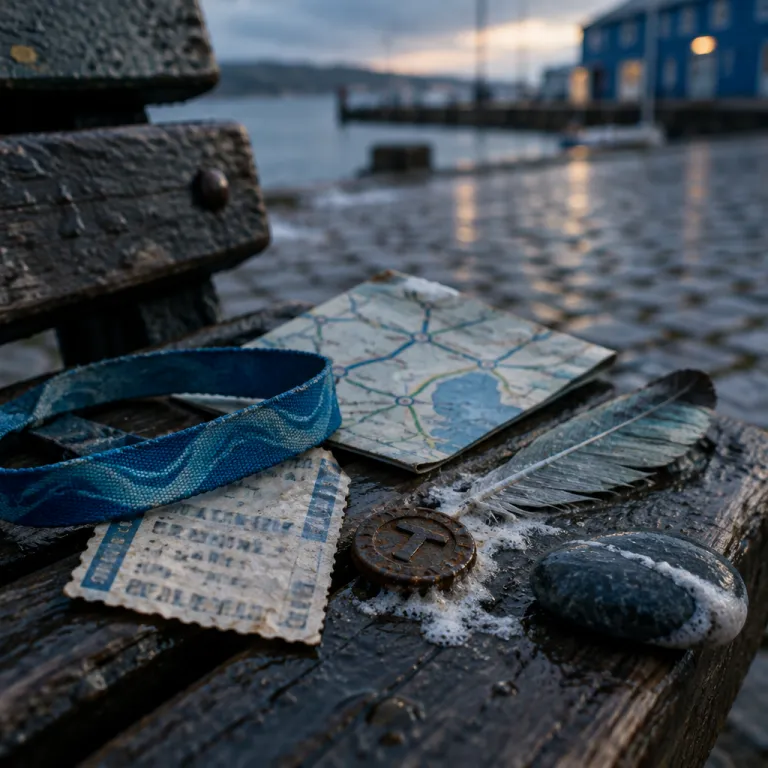
Event travel city break culture food layering as a mindset
Think of event travel city break culture food layering as a design principle, not a slogan. You are not flying to a city only for ninety minutes in a stadium or two hours in a concert hall ; you are building a short, dense trip where the ticket is the spine and the neighbourhoods, food and culture become the muscle. The best urban getaways turn a single match, performance or fair into a reason to understand how a city eats, listens, argues and relaxes on an ordinary day.
Start by mapping the event in relation to the wider city, then sketch how you will move through at least three distinct districts before and after it. A football game in Seville, a design fair in Milan or a jazz festival in Montréal should shape your itinerary, but never consume it, because the most memorable city breaks come from the streets you walk between venues and restaurants rather than the official programme. When you plan this kind of trip, you are curating food, culture and art around the event so that every walk, tram ride and café stop adds another layer to your understanding of the place.
Solo travelers have a particular advantage with this layered approach, since they can pivot easily between the event crowd and the local scene without negotiation. You can slip from a noisy bar full of visiting fans into a quiet wine bar where the conversation is about rent prices, contemporary art openings and which restaurant now serves the best olive oil tasting menu. That contrast between the temporary tribe of travelers and the permanent rhythm of the city is exactly what makes event travel city break culture food layering so powerful for a short trip.
Choosing a base that belongs to the after event city
Where you sleep determines whether your trip feels like a logistics exercise or a genuine immersion in local culture. For event travel city break culture food layering, choose a base that sits between the venue and a lived in neighbourhood, so you can walk to late night food, live music and the first coffee of the day without crossing half the city. The best places are rarely next to the stadium gates ; they are on the streets where a natural wine bar, a tiny restaurant and a gallery share the same block.
In Seville, for example, staying near Alameda de Hércules rather than directly by the arena lets you reach the match on foot while keeping you close to tapas bars, contemporary art spaces and local festivals that run long after the final whistle. In Mexico City, a similar logic applies in Roma Norte or Condesa, where you can attend a concert or cultural event nearby, then walk back through streets lined with cafés, food focused bistros and small wine country import shops that pour Spanish and Latin American wine by the glass. For a deeper look at how to structure elegant urban days around neighbourhoods, the guide to refined Mexico City day trips for culture and style shows how a single district can anchor an entire trip.
When you choose this kind of base, you also protect yourself from peak season price spikes around major venues. Rooms directly beside arenas often jump during local festivals, food festivals and big games, while streets a few tram stops away keep more stable rates and a calmer food culture. For solo travelers, that means you can allocate more of your budget to cuisine, food wine pairings and tickets for cultural events rather than overpaying for a bed you barely see.
Reading how an event reshapes a neighbourhood
Every major event temporarily rewrites the map of a city, and understanding that pattern is central to event travel city break culture food layering. A Champions League tie in Seville, a film festival in San Sebastián or an art fair in Basel does not only fill hotel rooms ; it reprices certain streets, shifts where the best food is served and changes which places feel local or tourist heavy on any given day. Your job as a solo traveler is to read those shifts and use them to your advantage.
Look first at how prices move during peak season dates for your chosen event, then identify adjacent neighbourhoods where the best time to visit might actually be the day before or the day after the main programme. During a major match in Spain, for instance, streets immediately around the stadium may be packed with visiting fans eating fast food, while ten minutes away a family run restaurant still serves slow cooked cuisine with excellent olive oil and a calm, local crowd. Guides such as why the smartest city break starts with an event calendar underline how starting with dates and districts, not room searches, leads to better cultural experiences.
Events also re energise cultural institutions and food culture in subtle ways, from extended gallery hours to special food wine menus that highlight regional food traditions. In some European cities visit during a design fair or art biennale, you will find pop up spaces showing contemporary art, temporary wine country tastings and live music nights that only exist for that week. By tracking these layers, you turn a single ticket into a reason to explore streets you might otherwise skip, and you build a mental map of the city that lasts long after the trip.
Building the day before and the day after
The most sophisticated event travel city break culture food layering happens outside the event itself. The day before and the day after are when the city is most open to you, when restaurant teams have time to talk, when gallery staff can explain a piece of art and when local residents are not rushing to their seats. Treat those days as the real core of your trip, with the event as a dramatic interlude rather than the whole story.
Arriving at least one day early lets you walk the route between your base and the venue, noting cafés for pre match coffee, food focused bars for a glass of wine and quiet squares where you can pause. In Seville in early March, for example, the air is soft enough for terrace seating, and the best time to explore Triana or La Macarena is late afternoon, when local families fill the streets and the smell of grilled fish and olive oil drifts from tiny places that never make a bucket list. Staying one extra day after the event means you can revisit a favourite restaurant, explore smaller cultural institutions and perhaps join a neighbourhood food tour that explains how food culture in Spain connects to harvest season, wine country traditions and regional cuisine.
Use those flanking days to schedule museums, contemporary art galleries and any michelin starred restaurant reservations, leaving the event day itself relatively light. That way, if live music runs late or a local festival spills into the streets, you can follow the energy without worrying about missing another booking. For solo travelers, this looser structure encourages chance conversations at the bar, invitations to local festivals and the kind of unplanned food wine experiences that make city breaks in Europe feel genuinely personal.
The solo traveler’s advantage outside the event bubble
Moving alone through a city during a major event gives you a kind of double vision. You can step into the collective roar of a stadium or the shared silence of a concert hall, then slip out again into side streets where daily life continues with its own rhythm of food, errands and conversation. Event travel city break culture food layering thrives on that ability to cross the invisible border between visitor and resident several times in a single day.
To avoid the event bubble, deliberately schedule at least one meal and one cultural stop per day in areas not directly linked to the venue. In Seville, that might mean a morning in the Museo de Bellas Artes followed by lunch in a small restaurant near Plaza del Museo, where the menu reflects Andalusian food traditions with stews rich in olive oil and local wine from nearby regions of Spain. In another city, it could be a walk through a contemporary art district, a tasting at a wine country bar that pours by the glass and an evening of live music in a venue where most of the crowd arrived on foot from nearby apartments.
Solo travelers can also pivot quickly when a conversation at the counter leads to an invitation to local festivals, food festivals or a spontaneous food wine pairing night. That agility turns a simple city break into a layered trip where you collect stories as much as sights, and where your mental bucket list shifts from monuments to specific streets, cafés and places that feel like your own. For more inspiration on weaving culture and cuisine into short urban stays, the guide to essential experiences in San Juan for an elegant urban escape shows how a single neighbourhood can anchor a whole trip.
Seasonality, timing and choosing the right cities to visit
Timing is the quiet engine behind successful event travel city break culture food layering. The same match, concert or fair will feel entirely different in March, in the heat of peak season or during the softer light of harvest season, when food, wine and local routines shift with the calendar. Choosing the right time to visit can matter as much as choosing the right city.
In Seville, the best time for many travelers is often the shoulder season, when temperatures are gentle enough for long walks between places and the city’s food culture leans into stews, grilled fish and olive oil rich tapas rather than only cold dishes. Across Spain and wider Europe, harvest season in wine country regions brings food festivals, local festivals and special menus that pair cuisine with new vintages, turning even a simple city break into a food focused trip. While northern lights tourism belongs more naturally to Nordic landscapes than dense cities, some travelers now layer a short urban stay in cities like Oslo or Reykjavík with an overnight excursion, proving that even classic bucket list experiences can be folded into a broader cultural itinerary.
When you compare cities to visit for event driven trips, look beyond the headline attractions and ask how easily you can move between venue, neighbourhood restaurant, contemporary art space and live music bar in a single day. Cities where michelin starred dining sits comfortably beside family run food traditions, where local wine bars pour both Spain and other European bottles, and where public transport runs late into the night will always reward the layered approach. Over time, your personal list of best places will be less about famous monuments and more about specific streets in specific cities, each tied to a match, a concert or a fair that became the excuse to understand a whole urban landscape.
FAQ
How do I choose the right event for a short city break?
Start with cities that already interest you for their food, culture and art, then look at their event calendars for matches, concerts, fairs or local festivals that align with your tastes. Prioritise events that sit within walkable neighbourhoods rather than remote venues, so you can easily layer restaurants, galleries and everyday places around them. This approach ensures the event enhances your trip instead of dominating it.
Is Seville a good choice for an event focused weekend trip?
Seville works exceptionally well because its stadiums, theatres and cultural venues sit close to dense, lived in districts full of tapas bars, contemporary art spaces and live music venues. You can attend a match or performance, then walk back through streets where local residents are eating late dinners and cafés stay open well into the night. The city’s compact scale and strong food culture make it ideal for layered itineraries.
How many days should I plan around a single event?
For most urban getaways, plan at least two nights and ideally three, with one full day before the event and one after. The day before lets you understand the neighbourhood, test routes and enjoy museums or restaurants without time pressure, while the day after gives space for slower walks, repeat visits and unplanned encounters. This structure turns a single ticket into a richer cultural trip.
How can solo travelers avoid feeling isolated on an event trip?
Solo travelers should use the event as a social anchor, then seek out bars with counters, shared tables and small cultural venues where conversation starts easily. Booking a food tour, a wine tasting or a neighbourhood walk on the day before or after the event also creates natural opportunities to meet both locals and other travelers. Staying in lively but not overly touristy districts helps you feel part of the city’s everyday rhythm.
What is the best way to balance food, culture and the event itself?
Keep the event day relatively light, with only one major meal and one cultural stop planned, and place more structured activities on the surrounding days. Focus on neighbourhoods where you can walk between restaurants, galleries and venues, so transitions feel effortless and you can adjust plans as the mood shifts. This balance keeps the event special while allowing food and culture to define the overall character of your trip.