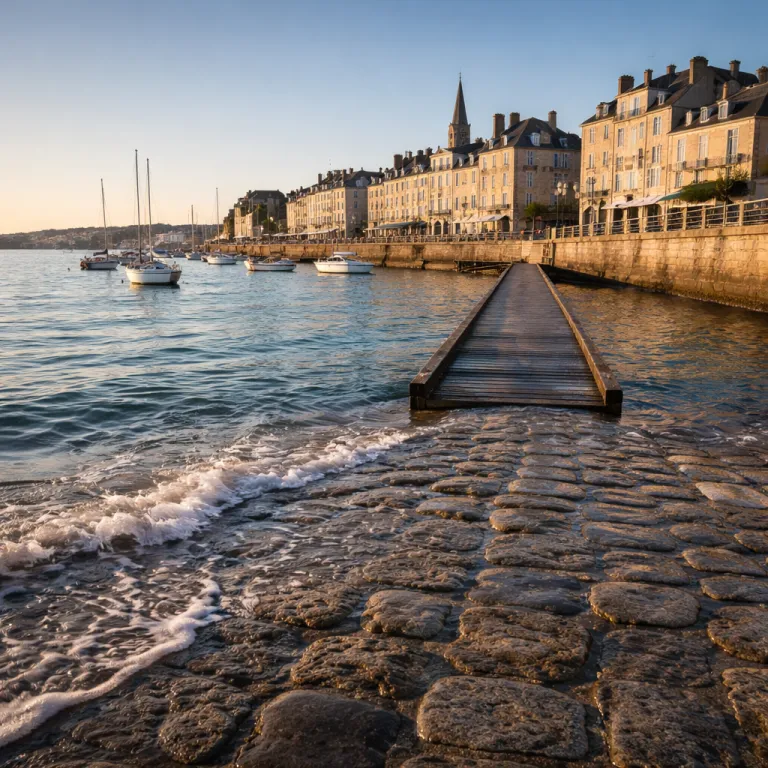
June city breaks in Europe: golden hour escapes and long-weekend strategies
Why June is the golden hour for European city breaks
June is when a European city stretches into the evening and refuses to dim. Across northern Europe you often get roughly 15 to 18 hours of daylight, according to seasonal daylight tables from national meteorological offices such as the UK Met Office and the Danish Meteorological Institute, which turns a simple city break into a long, slow performance of changing light over rooftops and riverfronts. For urban travellers planning European city breaks and June long weekend escapes, that extra time outside is the real luxury.
In Lisbon, average June daytime temperatures sit around 24 °C based on 1991–2020 climate normals from Portugal’s national meteorological service, IPMA, which makes a late afternoon walk through the Alfama district feel effortless rather than punishing. Prague settles closer to 18 °C and London around 16 °C in June, using long-term climate data from the Czech Hydrometeorological Institute and the UK Met Office, so these European cities are cool enough for all day exploration yet warm enough for pavement restaurants at night. This balance is why many travel insiders quietly call June the best city month before the crowds and higher costs of full summer breaks in Europe arrive.
There is also a pricing sweet spot that rewards the organised city break planner. In many European cities, mid range hotel rates in June can sit noticeably below what you will often see later in peak season: for example, annual trend summaries from booking platforms such as Booking.com and Expedia regularly show June averages in cities like Barcelona or Rome coming in around 10–25 percent under August highs for comparable properties. That difference can turn a supposedly cheap European weekend into a genuinely budget friendly long stay, especially when you combine it with smart flight deals and direct services from your home city.
Culture adds another layer to the appeal of June itineraries. In Scandinavia, midsummer celebrations in Stockholm or Helsinki bring locals outside for long, luminous evenings that feel made for slow travel, as highlighted in seasonal event calendars from Visit Sweden and Visit Finland. If you time your city breaks to coincide with these festivals, the European city becomes both stage and audience, and every day trip or neighbourhood walk feels like part of a shared ritual.
For solo travellers, June’s rhythm matters as much as the weather in each city. Long evenings mean you can plan a city break day in three acts: morning galleries, an unhurried afternoon café stop, then a late golden hour walk along the river or through a park. As one expert reminder puts it, "What is golden hour? The period shortly after sunrise or before sunset when light is softer." Checking sunrise and sunset times in a reliable weather app before you travel helps you build each day around that glow.
Those soft edges transform even familiar European cities into something more cinematic. A simple visit to the riverbank in Prague or the viewpoints above Lisbon becomes a masterclass in how light reshapes a European city skyline. If you are a travel blogger or simply someone who likes to shoot on a phone, June’s golden hour will make your European city break photographs look as if you had professional equipment and a production team, especially when you revisit the same spot on consecutive evenings to see how the light changes.
City picks for every mood: from Copenhagen light to Lisbon hills
Choosing the perfect city for a June long weekend is less about ticking off capital cities Europe wide and more about matching your mood to the streets beneath your feet. Copenhagen is the classic northern European city for design lovers, with long twilights that stretch over harbourside boardwalks and mid range restaurants serving natural wine and new Nordic plates. Lisbon, by contrast, is the great sun drenched break destination where every steep day trip up a hill rewards you with a tiled façade and an Atlantic breeze.
In Copenhagen, base yourself just outside the historic city centre in neighbourhoods like Vesterbro or Nørrebro, where low cost cafés sit beside independent galleries and the best city bakeries. You can walk or cycle everywhere in a single day, then spend your evenings at waterfront restaurants that feel both affordable and quietly polished. For many solo travellers, this is the kind of European city break that turns into a favourite ritual, repeated every June when the light returns and the city’s bike lanes feel like open invitations.
Lisbon works differently but just as seductively for June long weekend plans. Stay near the Baixa or Chiado districts for easy tram access and a short walk to the riverfront, then use your second day for a cheap European style day trip to Belém or across the Tagus to Cacilhas. The city centre is compact enough that you can move between viewpoints, tiled staircases and budget friendly seafood restaurants without ever needing more than a tram ride or a gentle climb, which keeps a three night itinerary feeling relaxed rather than rushed.
Edinburgh offers another angle for those who like their city breaks with a side of drama. June brings long days, cool evenings and a sense of anticipation before the full festival season, which makes it a great European city for travellers who prefer space over crowds. You can climb Arthur’s Seat in the morning, spend the afternoon in independent bookshops and then walk the Royal Mile at golden hour when the stone glows and the day finally feels complete.
For readers who split their time between urban escapes in Europe and road based adventures elsewhere, it is worth exploring how coastal drives and small towns can complement your city break habits. Thoughtful road trip guides show how easily a long weekend in a European city can sit alongside a longer journey by train or car. The key is to treat each city break as a concentrated chapter, then let the road trips fill in the quieter pages between your favourite European capitals.
London deserves a special mention for June itineraries, even if it is rarely a cheap European option. The city rewards careful planning, from choosing a mid range place to stay in neighbourhoods like Clerkenwell or Marylebone to booking theatre tickets and restaurants well ahead of time. With the right approach, London becomes a best city candidate for culture heavy breaks across Europe, especially when you balance big museum visits with small, local walks through parks and residential streets.
The three night formula: structuring your June long weekend
For most travellers, three nights is the sweet spot for European city breaks in early summer. It gives you two full days and two extended half days in your chosen European city, which is enough time to feel the rhythm without rushing every street. Think of it as a carefully edited city break rather than a frantic checklist of attractions and social media moments.
On day one, aim to arrive by late morning so you can drop your bag at the hotel and immediately walk the surrounding city centre streets. Keep this first day light: a neighbourhood lunch, a slow orientation stroll, then an early golden hour walk to a riverfront or hilltop viewpoint. As a rough guide, landing around 10:00, reaching your accommodation by 11:30 and spending 14:00–17:00 exploring within a 20–30 minute walk or short tram ride keeps things gentle. This is when you start to understand how the city shifts from its daytime pace into its evening character, and when you will probably choose the restaurants you want to revisit later.
Day two is your deep dive into the European city, the moment when your short break stops feeling like a quick visit and starts to feel like a temporary life. Use the morning for one or two key sights between roughly 09:00 and 13:00, then leave the afternoon open for a spontaneous day trip by tram, ferry or suburban train that takes 20–45 minutes each way. In Lisbon that might mean heading to Belém for custard tarts and river views, while in Prague you could cross to lesser known districts that most standard Europe itineraries ignore.
On day three, keep your schedule deliberately loose so the city can surprise you. Return to a favourite café or park, then leave space for last minute galleries, markets or cheap European lunches before you head back to the airport or station. If your flight leaves after 18:00, you can usually enjoy a final 09:00–15:00 wander within easy reach of your hotel. This is also the best time to pick up any low cost flight deals or loyalty points information for your next city break, especially if you tend to fly with British Airways or another European carrier that rewards frequent short haul travel.
Solo travellers who enjoy a mix of urban intensity and quieter escapes can borrow planning ideas from other weekend focused guides. Well structured itineraries for short trips show how to design escapes so they feel both rich and restorative. Apply the same logic to June city breaks and you will quickly learn which European cities suit a fast paced weekend and which deserve a slower return visit.
Throughout your stay, remember that the best city breaks are not always the cheapest on paper. A supposedly low cost trip can become expensive if you spend all your time in taxis or tourist restaurants, while a slightly higher nightly rate in a central area can save both money and energy. Aim for a mid range, budget friendly balance where you can walk most places, eat well in local restaurants and still have enough left for a final glass of wine at golden hour.
Booking strategy, flight choices and the June packing puzzle
Securing value on European city breaks in June starts months before you board a plane or train. Analysis from fare tracking tools such as Hopper and Skyscanner’s annual price reports suggests that flight deals for popular European cities such as London, Lisbon or Copenhagen often appear around eight to twelve weeks out, especially on carriers like British Airways that run frequent direct flights from major hubs. If you can be flexible by a day either side of a public holiday, you will usually find more affordable options and better timings.
When you look at flights, pay attention to arrival and departure times rather than just the headline price. An early morning arrival effectively gives you an extra day in the city, while a late evening return can turn a two night stay into something that feels like a full three day trip. Sometimes paying slightly more for well timed direct flights is the most budget friendly choice once you factor in transfers, meals and lost exploration time.
Accommodation strategy matters just as much as flight deals for a successful city break. Aim for a mid range place within walking distance of the city centre or a well connected tram or metro line, even if it is not the absolute cheapest option on the map. Over a three night stay, the ability to walk back to your room after dinner or a late golden hour stroll will save both money and energy compared with cheaper but remote options.
For up to date information on airlines, schedules and changing rules that might affect your June travel plans, it is worth tracking specialist coverage. Regularly updated aviation news and official airline announcements help you react quickly when new low cost routes open or when a favourite European carrier quietly launches seasonal services across the continent.
Packing for June in a European city is its own small art form. Days can be warm, especially in southern Europe, but evenings in northern cities like London or Copenhagen still call for a light jacket and closed shoes. A simple capsule wardrobe of breathable layers, one smarter outfit for restaurants and a compact day bag will cover almost every city break scenario.
Finally, remember that the essence of European city travel in June is not about chasing every landmark. It is about giving yourself enough time in one European city to notice the way the light hits a side street café at 21.00, or how locals use a riverside park after work. Plan carefully, book smartly, then leave space for the kind of unplanned moments that turn a quick city break into the start of a long term relationship with your chosen cities across Europe. When you are ready, pick one city, choose your three night window and start sketching your own golden hour itinerary.
FAQ
Why are European cities particularly appealing in June for a long weekend?
European cities are especially appealing in June because daylight hours are long, temperatures are generally mild and crowds have not yet reached peak summer levels. This combination allows you to fit more into each day without feeling rushed or overheated. It also means that prices for flights and accommodation can be lower than in the height of summer, particularly before school holidays and major festival periods.
What is golden hour and why does it matter for city breaks?
Golden hour is the period shortly after sunrise or before sunset when light is softer and warmer than at midday. In a city, this light can transform ordinary streets, riverfronts and rooftops into atmospheric scenes that are ideal for photography and slow evening walks. Planning your daily route around golden hour can make your June city break feel more memorable and visually rich.
How can I find golden hour times for my chosen European city?
You can find golden hour times for any European city by using dedicated apps or websites that calculate sunrise and sunset based on your exact location and date. Many weather apps now include this information alongside temperature and rain forecasts. Checking these times before you plan your day helps you schedule key viewpoints or river walks for the most flattering light.
Is June weather reliable for city breaks in Europe?
June weather in Europe is generally reliable for city breaks, with warm days and cooler evenings in most destinations. Southern cities such as Lisbon tend to be warmer, while northern capitals like London or Copenhagen remain mild and comfortable for walking. It is still wise to pack layers and a light waterproof jacket, as showers can appear even during settled periods.
How far in advance should I book flights and accommodation for a June long weekend?
For popular June long weekend dates, booking flights and accommodation eight to twelve weeks in advance usually offers a good balance between choice and price. Public holiday weekends can sell out earlier, so it is sensible to secure your plans as soon as you know your exact dates. Remaining flexible by a day on either side can also unlock better flight times and more affordable room options.