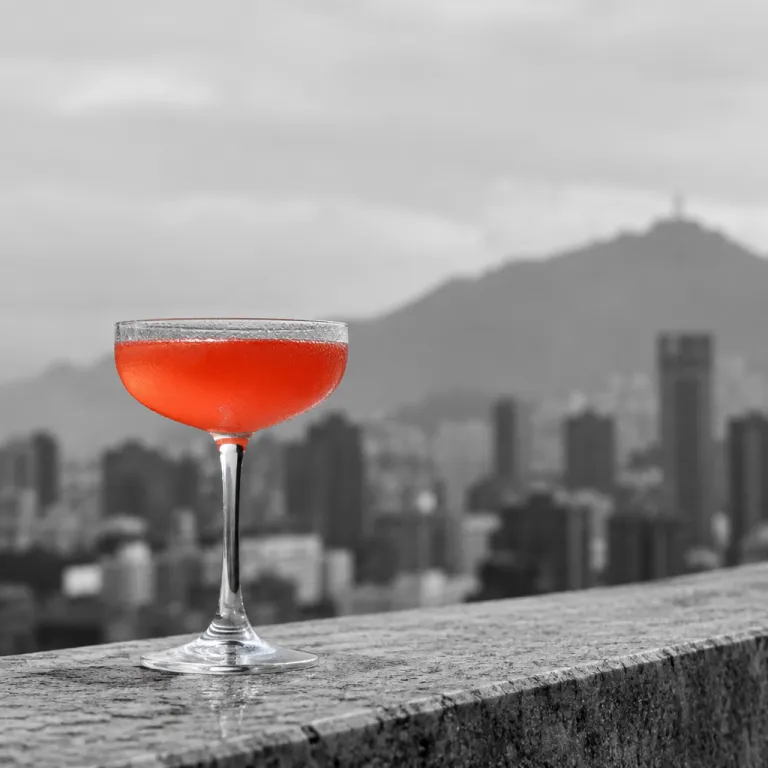
1. Essential things to do in Bogotá for an elegant urban escape
Bogotá, Colombia rewards curious urban travelers with layered experiences and refined pleasures. The city stretches across a high plateau in South America, so most days feel crisp, bright, and perfectly suited to slow exploration. If you plan your stay in Bogotá with intention, you will uncover some of the most sophisticated cultural experiences any Latin American capital can offer.
Start by orienting yourself with a curated walking tour through La Candelaria, the historic heart of the city. A well designed route in this area introduces the main plazas, colonial façades, and the rhythm of local life in a way that feels both intimate and structured. Choose a free walking experience led by certified guides, then tip generously to support the people who keep Bogotá’s stories alive; most visitors budget at least 30,000–50,000 COP per person for tips on these tours.
Many travelers search for things to do in Bogotá and immediately focus on museums, and they are right to do so. The legendary Gold Museum, or Museo del Oro, holds one of the world’s most important pre-Columbian gold collections and anchors any serious cultural itinerary. As of 2024, general admission is usually under 10,000 COP, and the museum typically opens Tuesday to Saturday from 9:00 to 18:00 and on Sundays from 10:00 to 16:00, with Mondays reserved as a closing day; always confirm current hours on the official museum information pages before you go.
Within the Gold Museum you will see how ancient Colombian civilizations shaped gold into ceremonial objects that still feel contemporary. The museum’s curators explain how this precious metal connected different regions of Colombia and the wider area of northern South America. When you read the exhibition texts carefully, you understand why many experts consider this one of the most significant gold museums in Latin America, a status regularly highlighted in reports from Colombia’s National Museum network.
Just a short walk away, Museo Botero offers a different perspective on Colombian identity. This museum houses works by Fernando Botero alongside pieces by international masters, all arranged in a restored colonial mansion. Entry is free, which makes Museo Botero one of the most rewarding cultural attractions Bogotá offers to culturally minded visitors, and its usual opening schedule runs from Tuesday to Sunday, generally from late morning to early evening, with Mondays closed.
Combine Museo Botero and Museo del Oro in a single day tour if you enjoy dense cultural programs. Between both institutions, pause in a nearby café for Colombian coffee and light food, and watch people move through the narrow streets of the historic city. These simple moments of observation often become the highlights you remember most from your stay in Bogotá, especially when you pair them with a late afternoon stroll back toward your accommodation.
2. Historic Bogotá: La Candelaria, museums, and meaningful walking tours
The La Candelaria district concentrates many of the most compelling activities in Bogotá for first time visitors. Its cobbled streets, steep alleys, and colorful façades create a compact city within the city, ideal for a structured walking tour. Arrive early in the day, when the light is soft and the area feels calm yet quietly animated.
Join a themed walking tour Candelaria experience that focuses on architecture, literature, or political history rather than generic sightseeing. Many operators offer small group routes, which allows you to ask detailed questions about Colombian history and daily life. These experiences are often marketed as free tours with a tip based model, so plan your contribution in line with the quality of the tour and the time invested by the guide.
For travelers who enjoy art, a dedicated graffiti tour reveals another layer of the city without repeating museum content. Bogotá has become a reference point for street art in Colombia and across Latin America, and the murals in La Candelaria and surrounding areas form an open air museum. A well curated graffiti tour explains how local artists comment on politics, identity, and social change through color and scale, and many routes last two to three hours with clear safety briefings at the start.
Between murals and museums, pause at Plaza de Bolívar to observe how people use this civic space. On any given day, you might see school groups, office workers, and families sharing the same square, which illustrates how Bogotá functions as a living capital rather than a staged attraction. This plaza also serves as a useful reference point when you read Colombia guidebooks and plan your own routes through the city, since many bus lines and official walking maps use it as a central landmark.
Inside La Candelaria, several smaller museums complement the headline institutions such as Museo Botero and the Gold Museum. Consider visiting Museo del Banco de la República’s art collections, where Colombian and international works sit in thoughtful dialogue. These spaces are often free or low cost, which makes them ideal for a slow cultural day tour in the historic city and for travelers who want to balance paid attractions with accessible options.
If you appreciate elegant urban escapes in different world capitals, you might enjoy comparing Bogotá’s historic core with refined city experiences elsewhere. For inspiration on how to structure a wintertime cultural itinerary, study this guide to elegant ways to enjoy New York City in December. The same principles of pacing, neighborhood focus, and curated tours apply when you design your own list of best things to do in Bogotá, especially if you prefer to walk rather than rely on constant taxi rides.
3. Elevated views and urban nature: Monserrate, cable cars, and city panoramas
Any serious list of things to do in Bogotá must include a visit to Cerro de Monserrate. This mountain rises directly above the city and offers sweeping views across the Bogotá plateau and the wider area of central Colombia. On a clear day, the panorama helps you understand how this metropolis fits within the broader geography of South America.
Reaching the summit involves a choice between a funicular railway, a cable car, or a steep walking path. Most visitors select the cable car or funicular for comfort and safety, especially when planning a full day of urban exploration. The ascent itself becomes part of the experience, as you watch the city recede and the green slopes of the mountain close around you; typical round trip tickets for the cable car or funicular remain affordable by international standards, and current prices are listed on Bogotá’s official tourism and transport information pages.
At the top of Monserrate, take time to walk the paths and appreciate the cooler air. Many people visit for religious reasons, but even secular travelers find the site compelling for its gardens, viewpoints, and subtle sense of distance from the city below. If you read Colombia travel literature, you will notice how often writers mention this place as a key to understanding Bogotá’s relationship with its landscape, especially given the altitude difference of more than 500 meters between the summit and the city center.
Plan your visit for early morning or late afternoon to avoid the most intense crowds. These times of day also offer the best light for photography, especially when the sun catches the glass towers of the financial district and the tiled roofs of older neighborhoods. For many travelers, this becomes one of the most memorable experiences during their stay in Bogotá, precisely because it combines nature, city views, and quiet reflection in a single outing.
Urban travelers who enjoy structured itineraries often compare how long to stay in different cities to appreciate them fully. If you are balancing Bogotá with a European escape, you may find this guide on how long to stay in Vienna for an elegant urban escape helpful as a planning reference. The same logic applies in Bogotá, where a three to five day stay allows enough time for Monserrate, key museums, and at least one day tour beyond the city, without compressing everything into rushed half days.
When you descend from Monserrate, consider walking through nearby neighborhoods to reconnect with everyday Bogotá. Cafés, small restaurants, and local markets in this area offer relaxed settings to process the views you have just seen. This combination of elevated perspective and street level detail captures the essence of sophisticated experiences Bogotá offers to urban travelers, especially when you use official taxis or registered ride hailing services for the return journey after dark.
4. Food, markets, and Colombian flavors: where to eat in Bogotá
Culinary experiences rank among the most rewarding things to do in Bogotá for urban travelers. The city’s altitude and climate mean that fresh produce from multiple Colombian regions converges in its markets every day. This creates ideal conditions for both casual street food and refined dining.
Begin with a guided food tour that focuses on traditional Colombian dishes and local ingredients. In neighborhoods such as La Candelaria or Chapinero, a structured food tour introduces you to arepas, ajiaco, and exotic fruits you may never have tasted before. Many of these tours are designed as small group experiences with clear meeting points near metro bus stations or main plazas, which keeps them accessible while still supporting knowledgeable guides.
For a deeper immersion, visit a major market such as Plaza de Paloquemao early in the morning. Here you can watch people from different parts of Colombia selling flowers, fruits, vegetables, and regional specialties in a single vast area. Take time to read stall signs, ask questions, and taste small portions rather than rushing through the market as if it were only a photo opportunity, and carry small bills in Colombian pesos to make quick purchases easier.
Street food in Bogotá deserves careful attention, especially if you enjoy understanding a city through its informal dining culture. Look for vendors with steady local clientele, which usually indicates both quality and safety, and start with simple things such as empanadas or fresh juices. These modest snacks often become some of the best memories you carry home, because they connect you directly with everyday life in Colombia and allow you to sample flavors from different regions without leaving the capital.
In the evening, Bogotá’s more upscale districts offer sophisticated interpretations of Colombian cuisine. Restaurants in areas such as Zona G and Usaquén reinterpret traditional flavors with contemporary techniques, often using ingredients sourced from across South America. When you stay in Bogotá for several nights, alternate between casual local spots and these refined addresses to appreciate the full spectrum of the city’s food culture, and consider reserving tables in advance on Friday and Saturday nights.
Urban travelers who appreciate elegant coastal escapes may also enjoy pairing Bogotá with refined seaside stays elsewhere on the continent. For inspiration on how to balance city intensity with coastal relaxation, consult this guide to elegant hotels near Italy’s finest beach clubs for urban minded escapes. The same principle of contrast applies when you move from Bogotá’s high altitude markets to Colombia’s Caribbean or Pacific shores, where seafood and beachside dining add another dimension to your itinerary.
5. Day tours beyond Bogotá: Zipaquirá, the salt cathedral, and regional culture
While the city itself offers many compelling things to do in Bogotá, a well planned day tour beyond the urban core adds valuable context. One of the most popular excursions leads to Zipaquirá, home of the famous salt cathedral carved into a former salt mine. This site lies roughly 50 kilometers from Bogotá, which makes it ideal for a structured day trip.
The salt cathedral experience begins with a descent into the mine through a series of illuminated tunnels. Along the way, you pass sculpted stations and chapels that combine religious symbolism with industrial heritage, creating a unique atmosphere unlike any other site in Colombia. Even travelers who do not identify with the religious aspects often find the engineering and design elements compelling, and official visitor information pages list current ticket prices and opening hours so you can plan your timing precisely.
Many operators offer combined day tours that include Zipaquirá and nearby towns, which allows you to see more of the surrounding area in a single day. When selecting a tour, read Colombia focused reviews carefully and choose companies that prioritize small groups and clear safety standards. This approach aligns with a broader strategy of seeking the best things to do through reputable, well organized experiences rather than improvised arrangements, especially when traveling in unfamiliar rural areas.
Another rewarding excursion involves visiting the highland landscapes around Bogotá, where you can appreciate páramo ecosystems and traditional agriculture. These trips reveal how the city depends on its wider region for water, food, and cultural exchange, which deepens your understanding of urban life in Colombia. For many travelers, this combination of city and countryside becomes a highlight of their stay in Bogotá, particularly when local guides explain environmental challenges and conservation efforts.
Some visitors also choose themed tours that connect regional crafts, local markets, and small museums outside the main city. These experiences often include opportunities to meet people who maintain traditional practices, from weaving to coffee cultivation, in a more intimate setting. When you return to Bogotá after such a day, the city’s museums and street art feel richer because you have seen the broader Colombian context and can recognize motifs drawn from rural life.
Whether you focus on the salt cathedral, highland landscapes, or cultural villages, treat each day tour as an extension of your urban itinerary. Plan your evenings in Bogotá with lighter activities after long excursions, perhaps a relaxed dinner or a short walk through a familiar neighborhood. This balance ensures that your list of experiences Bogotá offers remains enjoyable rather than exhausting, and it respects the effects of altitude and travel time on your overall energy.
6. Street art, free tours, and planning your ideal stay in Bogotá
Street art has become one of the defining things to do in Bogotá for culturally engaged travelers. The city’s graffiti scene gained international attention after local regulations shifted to tolerate, and in some cases support, large scale murals. Today, a well curated graffiti tour ranks among the best activities you can schedule during your stay in Bogotá, especially if you want to understand contemporary social debates.
Specialized operators offer graffiti tours in several neighborhoods, with La Candelaria and adjacent areas providing particularly dense concentrations of work. These tours explain how Colombian artists use walls to address themes such as memory, inequality, and environmental change, often referencing events across Latin America. When you walk these routes with a guide, you learn to read visual codes and signatures that would otherwise remain invisible, and you receive practical advice on where to continue exploring independently afterward.
Free walking tours remain a practical way to structure your first days in the city without repeating the same information in every neighborhood. Many companies offer general orientation tours, themed history walks, and even free tours focused on food or nightlife, all operating on a tip based model. Choose one or two of these experiences early in your itinerary, then use what you learn to refine your personal list of things Bogotá offers that match your interests and preferred pace.
When planning how long to stay in Bogotá, consider your pace and preferred balance between museums, markets, and day tours. A three night stay allows you to visit the Gold Museum, Museo Botero, Monserrate, and at least one graffiti tour without rushing. Extending to five nights gives you time for a salt cathedral excursion, a dedicated food tour, and unstructured hours in local cafés watching people and reading about Colombia, which aligns with average visitor stays reported by the Bogotá Tourism Observatory.
Accommodation choices also shape how you experience the city, especially in a metropolis as varied as Bogotá, Colombia. Many urban travelers prefer to stay in Bogotá in neighborhoods such as Chapinero, Zona G, or Usaquén, where dining, safety, and transport connections align well with city break expectations. Select an address that allows easy access to both the historic center and modern districts, so you can move between different areas without long commutes, and ask your hotel or guesthouse for updated advice on safe walking routes at night.
As you finalize your itinerary, remember that the most satisfying things to do in Bogotá often emerge from a balance of structure and spontaneity. Combine scheduled tours, museum visits, and day trips with open windows of time for wandering, café stops, and quiet reading sessions. This approach respects the city’s complexity and allows you to experience Bogotá as a living, evolving capital of South America rather than a checklist of attractions, while still giving you enough structure to navigate transport and opening hours confidently.
Key figures for Bogotá urban travel
- According to Colombia’s Ministry of Commerce, Industry and Tourism, Bogotá receives well over one million international visitors annually, making it one of the most visited cities in South America for urban cultural tourism. For the latest verified figures and publication dates, consult the ministry’s official statistics portal and annual tourism bulletins.
- The Gold Museum, or Museo del Oro, is regularly cited by Colombia’s National Museum network as one of the country’s most visited cultural institutions, confirming its status as a leading museum in Latin America for pre-Columbian collections. Recent reports from the network highlight annual visitor numbers in the hundreds of thousands.
- Monserrate sits at approximately 3,150 meters above sea level, while the city center lies around 2,640 meters, so visitors experience a vertical difference of more than 500 meters during the cable car or funicular ascent. These altitudes are reported by Bogotá’s municipal tourism and environmental agencies and appear consistently in official city guides.
- Studies by Bogotá’s tourism office indicate that the average international visitor stay in Bogotá is around three to four nights, which aligns with expert recommendations for combining city highlights with at least one regional day tour. Check the Bogotá Tourism Observatory for updated reports, methodological notes, and specific survey years.
- Surveys of urban travelers in Colombia show that a majority of visitors to Bogotá participate in at least one free walking tour or graffiti tour, underlining the importance of guided experiences in understanding the city. Methodology and exact percentages vary by study, so consult recent survey summaries and publication dates for precise numbers.
FAQ about things to do in Bogotá
What are the essential cultural things to do in Bogotá for a first visit ?
For a first stay in Bogotá, prioritize the Gold Museum, Museo Botero, and a structured walking tour in La Candelaria. These experiences introduce Colombian history, art, and architecture in a compact area of the city. Adding a visit to Monserrate completes a balanced cultural overview and gives you a sense of the city’s high altitude setting.
How many days should I plan to stay in Bogotá for an urban getaway ?
A minimum of three full days in Bogotá allows you to see key museums, enjoy a graffiti tour, and spend time in local markets. If you want to include a day tour to the salt cathedral in Zipaquirá or nearby highland landscapes, plan four to five days. This duration keeps your schedule comfortable while still covering the best things to do and leaving space for café breaks.
Is Bogotá safe for walking tours and free tours in the city center ?
Central Bogotá is generally safe for organized walking tours during daylight hours, especially in La Candelaria and main museum areas. Choose reputable operators, follow guide advice, and avoid displaying valuables openly. At night, use registered taxis or ride hailing services rather than walking long distances, and ask your accommodation for the latest local safety recommendations.
Which neighborhoods are best to stay in Bogotá for urban travelers ?
Urban travelers often prefer Chapinero, Zona G, and Usaquén for their mix of dining, safety, and transport connections. These areas offer easy access to both the historic center and modern business districts. Staying in these neighborhoods also places you near many of the city’s best food and nightlife options, while still allowing relatively quick taxi or bus rides to museums.
Do I need to book Bogotá museums and tours in advance ?
For major museums such as the Gold Museum and Museo Botero, same day entry is usually possible on weekdays, though weekends can be busier. Popular free walking tours, graffiti tours, and day tours to the salt cathedral often require advance online reservations, especially in peak travel seasons. Booking ahead ensures you secure preferred time slots and smaller group sizes, and it allows operators to confirm meeting points and language options.
References : World Tourism Organization (UNWTO) ; Colombia Ministry of Commerce, Industry and Tourism ; Bogotá Tourism Observatory.