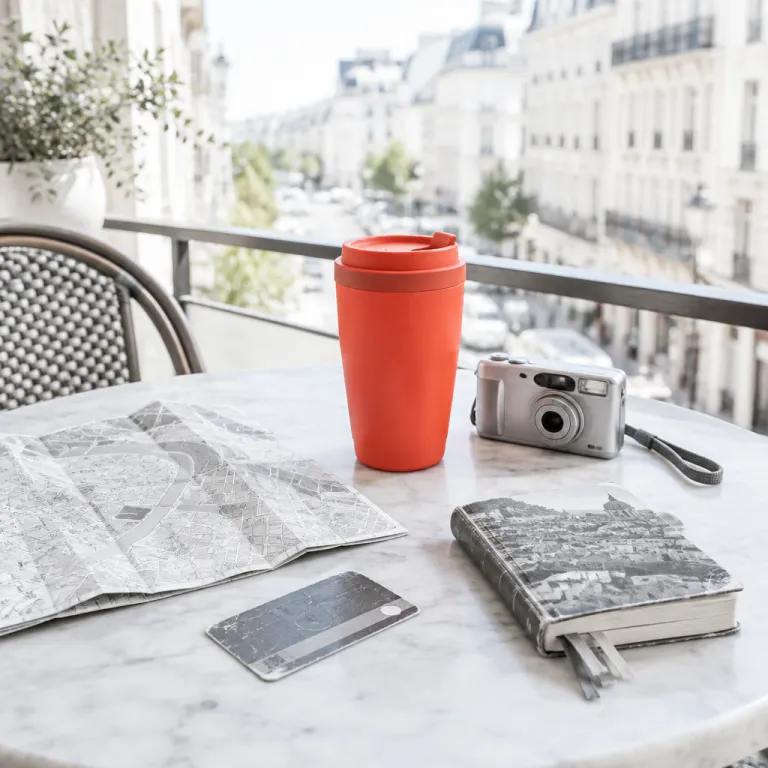
Why the repeat visit is the purest form of slow travel
Choosing slow travel and returning to the same city can feel almost subversive in a culture obsessed with novelty. When you decide to go back to a familiar place instead of chasing a new country or a fresh passport stamp, you quietly reject the idea that value is measured by the number of destinations you can list after one year of intense movement. That single decision to plan a repeat visit changes how you relate to time, to people and to the streets you walk through every day of your stay.
On a first trip your attention scatters across too many things, from major sights to the pressure of not wasting a single day or night in a new destination. A slow travel mindset on a second or third stay lets you accept that you will not set foot in every museum or cross every bridge, because you are now measuring your experience by the depth of one neighbourhood rather than the amount of time spent ticking off attractions across several cities. This is where returning to the same city becomes less about movement and more about a relationship with one specific place in one specific country or region.
Urban travellers who embraced this kind of slow travel years ago often describe a turning point, when a second or third trip to the same big city felt richer than a rushed circuit of several countries in Europe or East Asia. You may remember a trip to Italy that blurred into other trips, while returning to one Italian lakes town such as Bellagio or Stresa for a couple of weeks gave you a sense of rhythm, from morning coffee to late night walks, that still anchors your memory years later. Choosing a repeat visit does not mean that travel no longer excites you; it means you have learned that cities reveal their history and culture in layers, and those layers only appear when you give them time.
What only appears on the second, third and fourth stay
The first time you arrive in a big city your senses overload and your map fills with red pins. By the second or third stay, going back to the same streets turns that once confusing place into a legible pattern, where you finally notice the small details that make people choose one café over another. You start reading the city rather than just moving through it, and you realise that the most interesting places rarely sit on the obvious beaten path.
On repeat trips you begin to recognise the same faces at the corner bar, the same stallholder at the market and the same couple walking their dog at the same time every day. That familiarity is where a return visit becomes powerful, because you are no longer a passing guest but someone who is spending time in a neighbourhood long enough to understand its rhythms across different times of day and night. You may still plan a side trip to Italy’s lakes or along the Amalfi Coast, using a refined coastal escape as a contrast to your urban base, and curated guides to Capri and the Amalfi Coast in Italy can help you balance both experiences.
Returning to the same city also changes how you relate to classic attractions, because you can choose one museum for a single gallery rather than racing through ten in one day. Over several years you might visit the same places multiple times, each visit focused on a different angle, from architecture to food and drink or from contemporary art to deep history and culture. A pattern of repeat visits turns your relationship with a destination into an ongoing conversation, not a one night stand with a list of things to post and forget.
Becoming a regular: cafés, markets and the comfort of being known
There is a quiet pleasure in walking into a café in a foreign city and having the barista remember your order. That moment rarely happens on a once in a lifetime trip, but it becomes almost inevitable when you keep returning to the same place over several years. You are no longer just passing through; you are part of the daily pattern of people who give the neighbourhood its character.
For solo travellers especially, becoming a regular can turn a short break or work trip into something softer and more human, because the staff at your favourite spots start to ask how long you are staying this time. Over multiple stays in the same country or city, you might find yourself timing your arrival to coincide with a seasonal market or a particular night when a bar hosts local musicians, which means your travel does not revolve around guidebook highlights but around relationships and recurring rituals. This kind of slow urban routine reduces friction, because you already know where to find good food and drink, how the public transport works and which streets feel comfortable late at night.
Remote workers feel this effect strongly when they choose one city as a semi regular base, returning every year or two for a couple of weeks at a time. In places like Dublin, for example, refined stays that cater to laptops and late checkouts make it easier to blend work and wandering, and guides to refined stays in Dublin for remote workers show how accommodation can support that rhythm. Building a habit of going back means that travel does not require a full reset of your routines each time; instead, you slip back into a familiar pattern that lets you focus on the city itself rather than on logistics.
Choosing a home neighbourhood and using it as your long term base
One of the most effective ways to practise slow travel on repeat visits is to choose a single neighbourhood as your home base. Rather than chasing the most central address in a big city, you look for a street where a bakery, a greengrocer and a small wine bar sit within a few hundred metres, because that cluster of everyday places will shape your days more than any monument. Over time this micro area becomes your anchor, a familiar place you return to even when you explore other cities or countries in between.
Think of it as building a personal map of favourite spots that you refine with each stay, whether you are in a port district in northern Europe such as Matosinhos in Porto or a hillside quarter in East Asia like Hong Kong’s Sheung Wan. On your first trip you might simply be relieved that the tram stop is close and the coffee is good, but by the third or fourth visit you know which table catches the best morning light and which side street leads to a quiet park for an afternoon break or work pause. Returning to the same neighbourhood means that the amount of time you spend on orientation shrinks, leaving more mental space for reading the city’s history and culture in its architecture, its markets and its overheard conversations.
Neighbourhood level familiarity also encourages more responsible choices, because you see how your spending patterns affect the people who live there all year. You may notice that one restaurant feels overwhelmed at certain times, so you shift your food and drink budget to a smaller place on a side street where your presence is more sustainable. Guides that focus on specific districts, such as a look at Porto beyond the Ribeira and the neighbourhoods redrawing Portugal’s second city, align naturally with this approach, because they help you think in terms of streets and blocks rather than entire cities.
The solo traveller’s low friction escape and a more responsible relationship
For the solo explorer, going back to a familiar city offers something rare in modern travel culture; a low friction escape that still feels stimulating. When you already understand how a country or city works, from airport transfers to late night transport, you remove a layer of anxiety that often shadows first time trips. That familiarity frees you to pay attention to subtler things, like how people greet each other in the morning or how the light changes on a particular square across the year.
There is also a sustainability argument that rarely gets enough attention, because repeat visits can reduce the environmental and social impact of your travel over time. Typical leisure trips within Europe often last around a week, yet travellers who return to the same place frequently stay longer, which means fewer flights per year and a deeper engagement with local businesses that rely on regulars rather than on a constant churn of one day visitors. Choosing to revisit a city encourages you to step away from the beaten path of must see lists and instead support the everyday economy of a neighbourhood, from laundries to small groceries, which spreads your time and spending more evenly.
Many travellers who first set foot in a city years ago on a rushed group tour later find themselves going back alone, staying in one apartment for a couple of weeks and letting the city’s history and culture unfold slowly. They might still plan a side trip to Italy or a weekend by the Italian lakes, but the emotional centre of the journey remains that one familiar district where the barista knows their name and the bookseller keeps a recommendation aside. Returning to the same city does not mean that travel stops evolving; it means your relationship with certain places matures, becoming less extractive and more like a long conversation that you are always keen to continue.
FAQ
Is it worth returning to the same city instead of visiting somewhere new ?
Returning to the same city can be more rewarding than chasing a new destination, because each repeat visit deepens your understanding of one place rather than scattering your attention across many. You notice how people live, how seasons change the streets and how your own favourite spots evolve over time. This is the essence of slow urban travel, where meaning grows with each stay.
How long should I stay on a repeat urban trip to feel the benefits ?
Staying at least a week allows you to settle into a rhythm, but even a long weekend feels different when you already know the layout of the city. With each return you spend less time on logistics and more time simply being in your chosen neighbourhood. Over several years, a pattern of visits builds a sense of belonging that short, one off trips rarely match.
Does going back to the same city save money and mental energy ?
Yes, familiarity with a city reduces planning time, transport surprises and the urge to cram every day with paid attractions. You already know where to find good value food and drink, which areas suit your budget and how to move around efficiently. That knowledge lets you allocate your budget to experiences that genuinely matter to you, rather than to last minute fixes.
How can I choose the right neighbourhood as my repeat visit base ?
Look for a district with strong everyday life rather than only major sights, ideally with markets, cafés and parks within walking distance. Good public transport links help, but the real test is whether you can imagine spending slow mornings and quiet nights there across different times of year. If a place feels comfortable on your first stay and still intrigues you by the last day, it is a strong candidate for a long term slow travel relationship.
Is returning to the same city better for solo travellers than for groups ?
Solo travellers often benefit most, because a familiar city removes many small frictions that can feel heavier when you are alone. Knowing the streets, customs and transport lets you relax into the experience and connect more easily with local people. Groups can also gain from repeat visits, but the solo explorer usually feels the shift toward ease and depth most clearly.