The desk test: reading a room before you hit book
When you search for the best city hotels for remote work business travel, the photos of the desk tell you more than any marketing line. Look closely at the workspace in each hotel room and ask whether you could genuinely work well there for a full day, not just send a late night email before sleep. If the desk looks like a decorative console under a television, you already know this stay will fight your working rhythm rather than support it.
Start with depth and width ; a real work desk should comfortably hold a laptop, a notebook, a glass of water and still leave space for your hands. In the best hotels for serious business travel, the chair slides fully under the desk and the legs of remote workers are not blocked by shallow drawers or sculptural bases that only photograph well. When a hotel shows only an armchair and a tiny round table, assume that remote work and video calls will quickly become uncomfortable and that you will spend time hunting for a better corner in the lobby.
Lighting is the next part of the desk test, because even the most beautiful workspace fails if you cannot see your screen clearly. Look for bedside lamps plus a dedicated task light on the desk, and avoid rooms where the only illumination comes from a dramatic floor lamp behind you that will ruin video calls with backlight. If the listing mentions dimmable lights, blackout curtains and adjustable blinds, that is a strong signal that the hotel understands remote working and has thought about how people actually work remotely across different time zones.
Connectivity, power and quiet: the invisible infrastructure that makes work possible
Every property now promises free wifi, but the best city hotels for remote work business travel treat connectivity as infrastructure, not an amenity. Before you book, check recent reviews from business travelers and digital nomads that mention upload speeds, not just whether the wifi felt fast for streaming. For remote workers who rely on video calls, a stable connection above 10 Mbps upload in the room is the difference between a productive business trip and a frustrating work travel story.
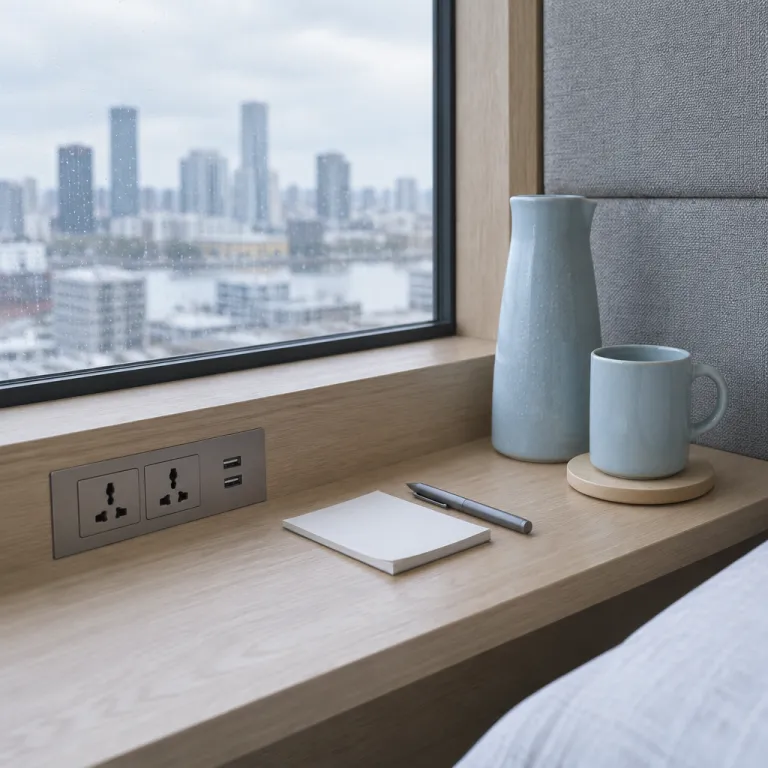
Power is just as critical ; count visible sockets in the photos around the desk, the bed and even near any sofa where you might work remotely for a change of posture. The best hotels quietly install universal outlets and USB ports at desk height, so you are not crawling under furniture in a suit before your first office call. If you see extension cords snaking across the carpet in guest photos, assume the hotel was not designed for working remotely and that your stay will involve compromises.
Sound is the final, often ignored layer of the desk test, and it matters more than a gym for anyone on a serious business trip. Ask directly whether the hotel offers quiet rooms facing inner courtyards, and whether business centers or meeting spaces are available when you need a more office like environment. For a deeper look at how silence shapes focus, read our analysis of the silence economy and why the smartest city hotels are now designing for what you do not hear, which is essential context for remote working in dense urban locations.
Street first, skyline second: choosing a location that works by day and after 6pm
When you evaluate the best city hotels for remote work business travel, start with the street address rather than the skyline view. The right location lets you close your laptop at six, step out of the hotel and be in a neighbourhood where you actually want to spend time. A good rule for business travelers is this ; if you can find a natural wine bar, a serious coffee shop and a bookstore within 300 metres, you are in the right place.
In New York, that might mean choosing a Hilton property in Tribeca over a more corporate midtown trip hotel, because the surrounding streets support both focused work and relaxed evenings. In London, a hotel near Shoreditch or Fitzrovia gives remote workers quick access to co working cafés and late kitchens, which matters when remote work keeps you on West Coast hours. For Paris, look for hotels remote from the most touristed axes but close to the Canal Saint Martin or the 11th arrondissement, where digital nomads can work well by day and walk to dinner without needing a car.
Think about your business trip in phases ; morning calls from your room, afternoon meetings in the office or nearby business centers, and then a short walk to a bar or gallery. Properties that sit on anonymous arterial roads may be convenient for taxis but rarely support this blended work travel pattern. To time your booking strategically, our guide on why booking your hotel eight days out often beats planning months ahead explains how to balance rate, flexibility and the chance of upgrading into a better located room.
Reading between the lines: what to ask the hotel before you arrive
The desk test continues long after you have scrolled through photos, because the best city hotels for remote work business travel will answer precise questions with precise details. Email the hotel and ask for the exact dimensions of the desk in the room category you are considering, and whether the chair is ergonomic or simply decorative. A property that takes remote workers seriously will often offer to place an extra desk lamp or even a second monitor in your room before your stay begins.
Ask clearly about wifi ; is there genuinely free wifi throughout the property, what are the typical speeds in the room, and is there a premium tier for heavy working remotely or large video calls. Clarify whether the hotel has a dedicated workspace floor, a quiet lounge or business centers where you can work well outside your room during the day. If you plan to work remotely across time zones, request a room away from elevators and bars, and confirm whether late checkout is possible on the final day of your trip.
Bleisure focused business travelers should also ask about laundry turnaround time, breakfast hours and whether the hotel can guarantee a specific location within the building. A corner room on a higher floor often gives better light for remote work and a more pleasant backdrop for video calls, while still keeping you close enough to the lift for quick office departures. When a reservations team responds quickly, uses your name and answers each work related question in detail, it is usually a sign that the hotel understands the realities of business travel rather than just the language of lifestyle marketing.
Beyond the room: lobbies, lounges and the real value of business facilities
Even when your room passes the desk test, the best city hotels for remote work business travel offer alternative places to work when cabin fever sets in. Look for lobbies with varied seating, from high communal tables with power to quieter corners where digital nomads can take video calls without feeling exposed. A hotel that fills its ground floor with only a bar and a restaurant is signalling that social energy matters more than focused work during your stay.
Serious business centers still matter, especially for business travelers who need printing, scanning or a more formal office like environment for client meetings. Check whether these spaces are genuinely open during the time you will be working remotely, and whether access is free or tied to loyalty points or elite status. Some Hilton properties, for example, reserve the best workspace like lounges for members, which can be a strong argument for concentrating your work travel within one brand if you travel often.
Pay attention to how the hotel describes its public spaces ; phrases like "co working style lobby" or "designed for remote workers" should be backed by photos showing laptops, power outlets and people actually working. If you see only cocktails and no cables, assume the reality of remote work there will be less comfortable than the promise. For executives who want to blend business trip obligations with genuine urban recharge, our feature on the quiet arrival of longevity focused city hotels explores how wellness spaces can support recovery after long days of working remotely.
Designing your own working rhythm: practical strategies once you check in
Even in the best city hotels for remote work business travel, your habits will decide whether the room becomes a real office or just a place to sleep between meetings. Start by zoning the room ; keep the desk strictly for work, the bed for rest and a chair or window seat for reading or calls that do not require a screen. This simple separation helps remote workers maintain boundaries when working remotely in the same space where they relax.
On arrival, test the free wifi speed at the desk, by the bed and in any lounge where you plan to work, and move furniture slightly if needed to create a more efficient workspace. Many hotels will happily bring an extra chair, a second lamp or even a standing desk converter if you ask the front office early in your stay. If you are on a long business trip, use loyalty points to negotiate late checkout on your final day, so you can work well from your room until it is genuinely time to leave for the airport.
Plan your day around the city outside as much as the office inside ; schedule deep work in the quietest hours, then step out to a nearby café or park to reset before afternoon meetings. Digital nomads and executives alike often work remotely more effectively when they punctuate screen time with short walks around the block. In the end, the best hotels for remote working are those that respect your time, support your business goals and still place you in a neighbourhood where you actually want to be off duty.
When a hotel really works for working: a quick checklist
After years of testing urban properties, a clear pattern emerges in the best city hotels for remote work business travel. The winners treat the room as a flexible office, not just a sleeping space, and they design every detail of the desk, chair and lighting to support long stretches of focused work. They also understand that remote work is now standard for business travelers, not a niche request from a few digital nomad guests.
Use this mental checklist on your next trip ; does the room have a full size desk with a comfortable chair, multiple power outlets and strong free wifi that can handle video calls without stuttering. Are there quiet public spaces beyond the room where you can work remotely for a few hours, and do business centers feel current rather than like forgotten office relics. Is the location on a street where you would happily spend time off duty, with cafés, restaurants and culture within a short walk.
If you can answer yes to those questions, you are likely looking at one of the best hotels in that city for serious business travel and remote working. When the answer is no, treat the glossy photos with caution and keep scrolling until you find a hotel that respects how you actually work. The desk test is simple, but it rarely fails ; if a property has invested in a proper workspace, it has usually invested in everything else that makes a business trip feel effortless.
Key figures shaping urban work travel
- Global surveys from major travel management companies show that more than 70% of business travelers now perform at least one full day of remote work from their hotel during a typical trip, which means the quality of the in room workspace directly affects productivity.
- Industry data from large hotel groups indicates that properties with reliable free wifi and clearly marketed workspaces see higher repeat rates among remote workers, especially digital nomads who often choose stays of seven nights or more.
- Urban travel reports highlight that neighbourhood located hotels within a 10 minute walk of both office districts and leisure areas capture a disproportionate share of bleisure bookings, underlining how location influences both work and downtime.
- Studies on workplace performance consistently find that access to natural light can improve focus and mood by double digit percentages, which reinforces the value of choosing a room with a window near the desk rather than a darker interior layout.
FAQ: choosing a city hotel that truly works for working
How can I tell from photos if a hotel room is good for remote work?
Look for a full size desk with a proper chair, visible power outlets at desk height and a dedicated task lamp rather than only ambient lighting. Check whether the television is mounted above the desk, which usually signals a compromised workspace. Guest photos in reviews often reveal the real layout better than the official gallery.
What minimum wifi speed should I expect for video calls from my room?
For stable video calls, aim for at least 10 Mbps upload and 25 Mbps download in the room, not just in the lobby. Many hotels advertise free wifi but do not specify speeds, so ask the front desk or reservations team directly. If you rely on heavy file transfers, consider properties that offer a premium connection tier.
Are business centers still useful if I mostly work from my laptop?
Business centers remain valuable for printing, scanning and occasional confidential calls that you may not want to take from your room. They also provide a more formal setting for quick client meetings without renting a separate office. When comparing hotels, check opening hours and whether access is complimentary.
What should I ask a hotel before booking a long remote working stay?
Request details about the desk size, chair type, number of outlets and typical wifi speeds in the room category you plan to book. Ask whether quiet rooms are available away from elevators and bars, and whether late checkout can be guaranteed for your departure day. If you plan to stay a week or more, confirm laundry turnaround times and nearby grocery or café options.
Is it better to stay near the office district or in a more local neighbourhood?
For many business travelers, a hotel on the edge of the office district but within a lively neighbourhood offers the best balance. You keep commute times short while gaining access to better cafés, restaurants and evening walks once work is finished. Prioritise streets with mixed residential and commercial life rather than purely corporate blocks.