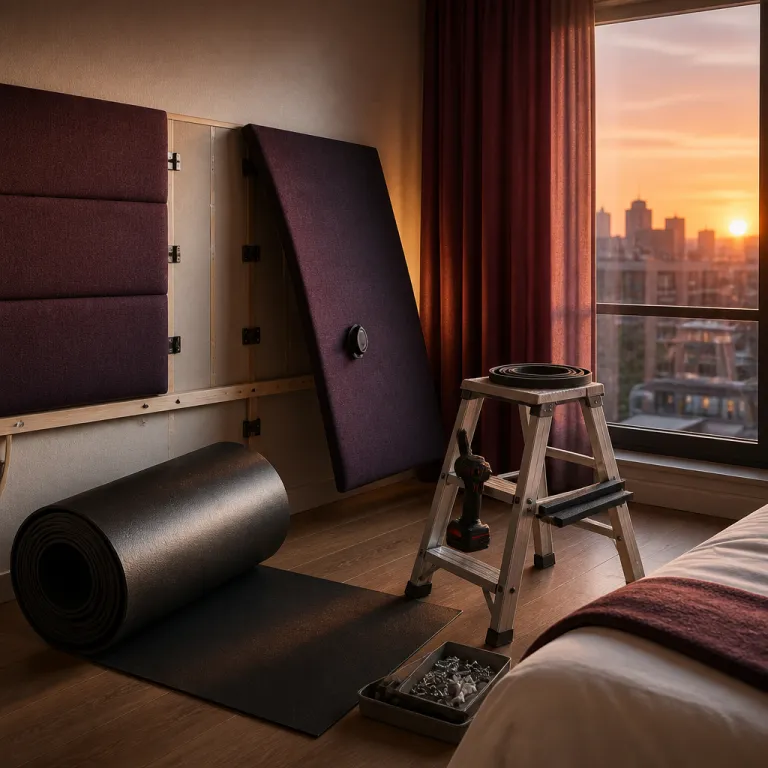
From urban noise to hushpitality: silence as the new status symbol
Step off a Manhattan sidewalk at rush hour and you feel the acoustic shock instantly. For the executive stretching a business trip into a two night urban getaway, the real luxury is no longer the corner suite but the way a well insulated, wellness focused hotel room sounds after the elevator doors close. Modern life is noisy, and the smartest hotel operators now treat every decibel as a design decision rather than an unavoidable backdrop.
Across major cities, complaints about traffic, nightlife and construction have climbed steadily in recent years, while demand for quiet hotels and sleep friendly rooms has risen in parallel according to travel industry surveys and booking platform trend reports. In New York City, for example, 311 data shows hundreds of thousands of annual noise complaints, and similar patterns appear in London and Barcelona. That shift is reshaping hospitality design from the foundations up. What began as a niche wellness gesture has evolved into a full acoustic strategy where sound, lighting and materials are orchestrated with the same care once reserved for art collections and wine lists. In this new silence economy, acoustic performance is a measurable asset, and the guest experience is judged as much by what you do not hear as by what you see or taste.
Luxury hotels have become providers of curated silent environments, while travelers act as discerning consumers who now actively seek quiet, restful experiences in dense urban spaces. The most forward thinking hotels work with acoustic consultants, architects and wellness experts to map noise sources, specify sound absorbing panels and select materials that reduce transmission between adjacent rooms. In these properties, every guest room door, corridor junction and public area threshold is treated as a sound control opportunity that can either protect or erode acoustic comfort. Typical targets include façade systems that cut exterior noise by 30–40 dB and partitions with Sound Transmission Class (STC) ratings in the mid 50s, levels associated with premium residential construction.
How acoustic architecture is rewriting hotel design
Silence focused hospitality is not about eliminating every sound but about shaping a soundscape where the space feels calm, legible and restorative. In practice that means acoustic design is now embedded in hotel planning from the earliest stages, influencing the placement of guest rooms, the zoning of public areas and the choice of structural materials. Walls between adjacent rooms are thicker, doors are heavier, and acoustic panels are integrated into ceilings and headboard walls rather than added as afterthoughts.
In wellness led urban hotels, acoustic solutions sit alongside biophilic interior design and advanced lighting schemes that support circadian rhythms, creating a holistic sense of quiet luxury that goes beyond soft furnishings. Architects use felt, terracotta and other sound absorbing materials to reduce reverberation in lobbies and restaurants, so guests enjoy the social energy of the city without the harsh clatter that usually comes with it. Spa designers talk about acoustic performance in the same breath as water temperature and air quality, because a treatment room that leaks sound from the corridor can undo an hour of careful therapy in seconds.
The trend has a name inside the industry: hushpitality describes hospitality that focuses on calm, low stimulation environments where acoustic comfort is treated as a primary wellness tool. Industry commentators use the term to capture a broader movement toward low sensory, sleep friendly hotels that help guests escape constant noise and overstimulation. When hotel owners ask consultants how to design for silence, the standard response is clear: combine acoustic engineering, noise reducing architecture and operational policies that protect quiet zones, from device free relaxation areas to late night sound curfews in bars and event spaces.
Quiet rooms as performance tools for the business leisure traveler
For the business leisure executive, a quiet urban room is no longer a nice to have amenity but a productivity tool that directly affects performance the next morning. When a city hotel room is genuinely insulated from traffic, elevators and adjacent rooms, the quality of sleep improves and so does decision making in the boardroom. Studies on sleep and cognitive function consistently show that even moderate night time noise can impair memory and reaction times, which is why corporate travel buyers have started to factor acoustic performance into procurement checklists, ranking hotels not just on location and loyalty points but on measurable sound control in guest rooms.
In this context, hotel design teams are rethinking the entire guest journey from the street to the pillow, asking where noise sources can be intercepted before they reach the bedhead. Revolving doors are replaced with well sealed vestibules, lifts are decoupled from guest room corridors, and public areas are acoustically zoned so that a lively bar does not bleed into a floor of early sleeping executives. The result is a new generation of design hotels at human prices, where a carefully planned space feels composed and calm even when the lobby is busy and the city outside is loud; for a detailed look at this shift, see the analysis of design forward hotels where 100 dollars a night still buys real style.
Inside the guest rooms themselves, acoustic solutions are becoming more sophisticated and more invisible, which matters for travelers who value aesthetics as much as comfort. Headboards now conceal sound absorbing panels that reduce noise from adjacent rooms, while layered curtains combine blackout fabrics with dense weaves to support deeper sleep. Even the interior design of workspaces within rooms is changing, with soft wall finishes, rounded furniture and strategic lighting that together create a space where guests enjoy focused work sessions without the fatigue that comes from constant low level noise. Some properties now publish indicative in room decibel levels at night, giving business travelers a concrete metric to compare alongside Wi Fi speed and desk ergonomics.
Longevity, recovery and the rise of the silent suite
Wellness hospitality has moved beyond massages and steam rooms into longevity programming, and acoustic design sits at the core of that evolution. Hotels now plan entire floors around diagnostic equipment and consultation rooms, balancing clinical functionality with warm materials and lighting that maintain a sense of quiet luxury rather than medical sterility. In these spaces, acoustic comfort is essential because guests need to feel both reassured by the technology and relaxed enough to engage in meaningful conversations about long term health.
Recovery programming is another growth area where sound control is non negotiable, particularly in private recovery suites designed for two to four people. Brands such as SIRO Hotels have invested in recovery equipment and advanced sleep experiences, while major groups like Hilton have partnered with Hyperice to offer assisted stretch zones and high tech muscle recovery in dedicated spaces, as outlined in their joint press announcements. These recovery rooms rely on acoustic panels, insulated doors and carefully tuned ventilation systems to reduce noise from corridors and public areas, ensuring that the space feels cocooned even in the heart of a dense city block.
For the executive extending a business trip, these silent suites become the hinge between high intensity meetings and meaningful leisure time in the city. A guest might spend the morning in a diagnostic consultation, the afternoon in a quiet recovery space and the evening exploring a nearby natural wine bar, returning to guest rooms where the soundscape feels like a gentle backdrop rather than a constant hum. This is where hospitality design proves its value: by orchestrating sound, light and materials so that guests enjoy both the city’s energy and the restorative silence that makes another packed day possible.
Acoustic wellness in the spa: when silence competes with social heat
Urban spas have become laboratories for acoustic design, because they sit at the intersection of wellness, socialising and dense city infrastructure. The leading spa architects now treat sound as a primary material, using curved walls, soft organic forms and anti reverberation materials such as felt and terracotta to shape how treatment rooms and relaxation zones feel during therapies. In these environments, silence is not an absence but a carefully tuned presence that supports breath, touch and recovery.
One of the most influential trends identified by Sparcstudio Creative Director Beverley Bayes is acoustic wellness as a top spa design driver, where sound absorbing architecture and acoustic zoning are considered as fundamental as water circuits or thermal journeys. Treatment rooms are built as independent acoustic spaces with floating floors, double doors and integrated acoustic panels that reduce noise from adjacent rooms, plant rooms and corridors. The aim is to achieve comfort levels where guests can hear their own breathing and the therapist’s voice clearly, without the intrusive noise sources that so often undermine the guest experience in older city hotels.
At the same time, a counter trend is reshaping hospitality design: social wellbeing spaces such as communal saunas, hammams and rooftop hot pools are thriving, particularly in cities with strong bathing cultures. These public areas are intentionally lively, with music, conversation and clinking glasses, raising a critical design question for hotel operators who want both social heat and deep quiet in the same property. The most successful examples use rigorous sound control strategies, placing social wellness spaces on separate floors, using heavy doors and layered materials, and ensuring that the space feels energetic inside while guest rooms and treatment rooms remain serene.
Case study streets: where the city hums and the room hushes
Walk a block in San Sebastián’s Centro district and you can feel how the best urban hotels now choreograph sound as carefully as food or art. Around landmark cultural buildings and new restaurants, the surrounding streets carry the usual mix of scooters, delivery vans and late night conversations. Step inside a restored property in this area and you notice how the lobby’s materials, panels and lighting immediately reduce noise and visual glare, creating a threshold between the city’s hum and the hotel’s hush.
In properties like this, interior design is used as an acoustic tool: high ceilings are tamed with suspended panels, terrazzo floors are balanced with heavy rugs, and timber wall cladding doubles as a sound diffuser. Guest rooms are set back from the street façade, with buffer spaces such as wardrobes and bathrooms placed between the bed and the exterior wall to improve acoustic performance. The result is that quiet rooms feel almost residential, even when the last diners leave the restaurant well after midnight and the city is still very much awake.
For business leisure travelers, this kind of calibrated silence changes how an urban getaway feels from the moment the door closes. Guests enjoy the theatre of the city through the window, yet once inside the room the space feels composed, with lighting, materials and acoustic solutions working together to reduce noise to a soft, almost tactile hush. That is the essence of the silence economy: hospitality that treats quiet as a designed experience rather than a lucky accident of location.
Designing the next generation of quiet luxury in the loudest cities
The most forward looking hotel groups now treat acoustic strategy as a board level topic, not a technical detail left to contractors. They recognise that well designed quiet rooms measurably improve guest satisfaction scores, repeat bookings and corporate travel contracts, especially among executives who see sleep as a non negotiable performance resource. In this sense, silence has become a line item in the business case for new urban properties, sitting alongside location, sustainability and digital infrastructure.
On the ground, that strategic shift translates into specific design choices that shape how every space feels, from lobby to rooftop. Hospitality design teams are specifying multi layer façades, triple glazing and decoupled wall systems to reduce noise from traffic, nightlife and mechanical plant, while interior designers select materials that absorb rather than reflect sound in high traffic spaces. Acoustic panels are now disguised as artworks, ceiling coffers or sculptural elements, allowing hotels to maintain a strong visual identity while delivering the acoustic comfort that modern travelers quietly expect.
Silence focused innovation is not limited to city towers; some of the most ambitious experiments are happening on private islands and remote peninsulas where the baseline soundscape is already gentle. A compelling example is the rebirth of Île de Bendor in the Mediterranean, profiled as Europe’s quietest escape, where hospitality design uses low rise architecture, soft materials and careful zoning to ensure that even public areas feel hushed. For urban travelers, these projects set a new benchmark for what quiet luxury can mean, and they raise expectations when guests return to city hotels that must work harder to reduce noise without the advantage of natural isolation.
How to choose your next urban quietcation
For travelers planning an urban getaway, the silence economy offers both opportunities and new questions. The first step is to choose hotels that explicitly emphasise silence and acoustic comfort in their communications, because that usually signals investment in real soundproofing and noise control rather than cosmetic gestures. It is worth asking about noise policies, device free zones and the location of guest rooms relative to bars, lifts and service cores, since these details often determine how peaceful a room feels once the city’s nightlife peaks.
Experienced travelers also pay attention to the language of hotel design, looking for references to acoustic performance, sound control and materials such as felt, timber and heavy textiles in public areas. When a hotel mentions collaboration with acoustic consultants or highlights features like double doors, insulated guest rooms and zoned wellness spaces, it usually indicates a serious approach to hushpitality rather than marketing spin. For executives who need to perform at a high level during the day and still enjoy the city after hours, these cues are as important as Wi Fi speed or gym equipment.
Ultimately, the silence economy rewards hotels that treat sound as a core part of the guest experience, not an afterthought. Properties that invest in thoughtful interior design, robust acoustic engineering and guest rooms that genuinely reduce noise will win the loyalty of travelers who now see quiet as the ultimate urban luxury. As urban noise continues to rise and wellness expectations grow, the smartest hotels will be those where guests enjoy the city’s energy on the street and, with a single turn of the door handle, step into a space that feels like a perfectly tuned pause.
Key figures shaping the silence economy in urban hospitality
- Urban noise complaints have increased in many major cities over the past decade, underscoring why acoustic design and sound control are now central to hotel planning in dense city centres; municipal data sets in cities such as New York and London record sustained year on year growth in reported disturbances.
- Interest in quiet hotels and sleep focused stays has risen in travel media and booking platforms, signalling that acoustic comfort and quiet rooms are becoming decisive factors in how travelers choose urban accommodations; search filters for “quiet rooms” and “sleep friendly” stays now appear on several major sites.
- Industry timelines show that the silence trend in hospitality emerged several years ago, gained momentum under the hushpitality label and is now entering a competitive phase where hotels differentiate themselves on measurable acoustic performance, from published in room dB readings to STC targets for partitions and façades.
- Luxury properties that position themselves as providers of curated silent environments report higher guest satisfaction, aligning with the broader shift toward wellness focused travel and urban quietcations, and encouraging operators to include acoustic metrics in post stay surveys and brand standards.