From scented candles to blood panels: what longevity hotels really offer
Urban wellness used to mean a steam room, a decent spa and maybe a yoga mat in the wardrobe. Now longevity hotels medical wellness travel is reshaping that script, turning the city stay into something closer to a check up than a pampering escape. For business leisure travelers extending a work trip, the question is no longer just which luxury hotel has the best rooftop bar, but which hotels can run your bloodwork before your first meeting.
The difference between a wellness amenity and a longevity program is simple yet profound. A classic wellness hotel gives you a spa menu, a gym and perhaps a mindfulness class, while a longevity focused property builds your entire stay around diagnostics, medical consultations and structured programs that target long term health. In practice that means biometric scans, medical wellness assessments, recovery therapies and nutrition consultations replacing the casual day pass to the spa.
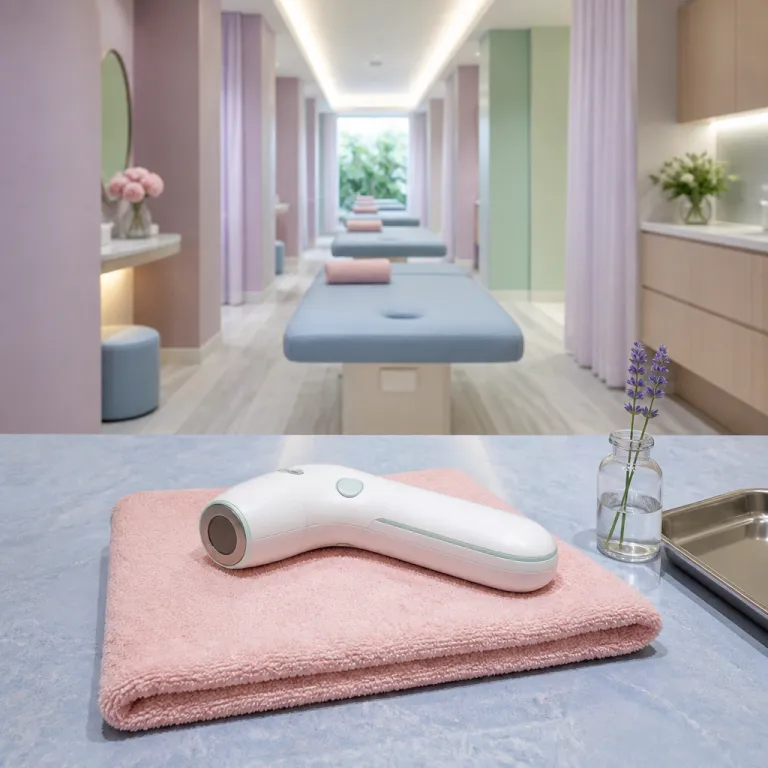
Industry definitions are catching up with what travelers already feel in the lobby. A longevity hotel is now widely understood as a hotel offering integrated medical wellness services to enhance health, and that definition matters when you are choosing where to stay between boardrooms and gallery walks. These longevity hotels are not just adding spa treatments, they are weaving medical grade therapies, light therapy protocols and recovery nutrition into multi day programs that look more like a wellness clinic than a city resort.
The shift is driven by a broader move toward preventive health and performance optimization. Wellness tourism is projected to surpass USD 1.4 trillion by 2027, and a growing share of that spend is flowing into longevity travel that promises measurable outcomes rather than scented relaxation. For the executive traveler, the appeal is obvious, because a three night stay can now include cardiovascular screenings, red light sessions for jet lag recovery and tailored treatments that continue long after checkout.
Behind the scenes, the actors have changed as much as the amenities. Luxury hotels now partner with medical professionals, wellness experts and technology providers to deliver advanced therapies inside what still looks like a design led urban retreat. The innovation lies in blending luxury travel expectations with the rigor of a longevity clinic, so that your health data sits as comfortably on the bedside tablet as the room service menu.
The urban turn: why city stays are becoming medical wellness hubs
The most interesting longevity hotels are no longer tucked in remote mountains, they are opening on dense city blocks where executives already travel for work. Urban properties have realized that medical wellness belongs as much beside the financial district as it does on a distant coastline, especially for travelers who cannot disappear for a two week retreat. For this audience, a wellness resort in the city must compress diagnostics, therapies and recovery into a stay that fits between client dinners and morning site visits.
Several forces explain why wellness clinic style services are rising in metropolitan hotels. First, the global wellness real estate market has been valued at around 275 billion USD, and developers want that revenue anchored in addresses where occupancy is already strong. Second, medical wellness technologies such as biometric scans, red light systems and advanced spa treatments are now compact enough to sit on a dedicated recovery floor above the lobby. Third, executives are increasingly willing to fold preventive health into their travel, turning a standard hotel stay into a structured wellness retreat.
In this context, longevity travel becomes less about escape and more about integration. A guest might land in Madrid for meetings, check into a wellness hotel aligned with the sha wellness philosophy and spend the first evening in a light therapy session instead of the bar. Over three days, a personalized wellness program could combine medical consultations, recovery nutrition planning and targeted treatments, all while the traveler still walks to the office each morning.
Urban getaways have always been about neighbourhood specificity, and the new longevity focused stays are no different. The most compelling examples sit not on anonymous boulevards but on streets where a wellness resort style floor coexists with a natural wine bar, a pilates studio and a pharmacy that understands your medical prescriptions. For a sense of how carefully curated city stays are evolving, look at how unique urban properties are already redefining city escapes in guides such as this overview of urban getaways and unique stays.
What changes most is who these wellness hotels are really for. The classic spa guest came for relaxation and perhaps a weekend retreat, while the new longevity hotels medical wellness travel clientele arrives with lab results, performance goals and a willingness to commit to long term programs. For them, the best luxury hotels are those that can coordinate a medical wellness program with the same precision they apply to a late checkout.
Evidence or theatre: how to read the new longevity hospitality
As wellness and medical language blend in hotel marketing, skepticism becomes a necessary travel companion. Not every property advertising longevity programs is operating as a true longevity clinic, and not every spa treatment framed as therapy has evidence behind it. The discerning urban traveler needs a simple framework to separate meaningful medical wellness from theatrical wellness resort branding.
Start with the people, because real medical wellness always begins with qualified medical professionals. A credible longevity hotel will name its clinical partners, outline the qualifications of its équipe and explain clearly which therapies are medical treatments and which are relaxation focused spa experiences. If a property references brands such as clinique prairie or sha wellness, ask how deep that partnership runs and whether diagnostics, recovery protocols and personalized wellness plans are actually supervised by doctors.
Next, look at the structure of the stay rather than the adjectives on the website. Genuine longevity travel usually involves pre arrival questionnaires, on site assessments, defined day by day programs and follow up support that extends beyond the stay, while a standard wellness retreat tends to offer flexible classes and à la carte spa treatments. When a hotel claims to offer preventive health services, you should see clear explanations of tests, therapies, expected outcomes and any medical risks, not just aspirational language about longevity and vitality.
Technology is another useful filter in this new landscape. Serious longevity hotels invest in tools such as biometric scans, bloodwork analysis, red light systems and light therapy protocols that are integrated into coherent recovery programs, rather than scattered as isolated gadgets. Spa tech suppliers like Gharieni and KORE are increasingly cited in industry reports as part of this medicalisation, but the presence of a branded bed or capsule only matters if it sits inside a medically designed program.
Urban properties experimenting with adaptive reuse often provide some of the most interesting case studies. A former factory floor turned into a wellness clinic level recovery space can feel compelling, but the architecture should not distract from the question of whether the therapies are evidence based and supervised. For a broader view on how cities are reimagining their guest spaces, it is worth reading about adaptive reuse and the reshaping of urban hotels, then asking how longevity focused floors fit into that evolution.
Does medicalised wellness deepen the urban getaway or dilute it ?
The rise of longevity hotels medical wellness travel forces a more philosophical question about why we travel to cities at all. Urban getaways have traditionally been about immersion in neighbourhood life, from the café on the corner to the gallery two blocks away, and the best luxury travel experiences still hinge on that street level connection. When a hotel begins to resemble a wellness clinic, there is a risk that guests retreat inward, spending more time under red light panels than under the city’s own streetlights.
Handled well, though, longevity focused hospitality can sharpen rather than dull the urban experience. A concise three day program that tackles jet lag, sleep quality and recovery nutrition can leave a business leisure traveler with more energy for late night dinners, early museum openings and long walks between meetings. In this model, medical wellness becomes an enabling layer, supporting health so that the city can be enjoyed more intensely rather than replaced by a sealed retreat.
Some destinations are already showing how this balance can work. In Spain, for example, wellness resort style properties near Madrid and Barcelona are collaborating with inner city luxury hotels to offer split stays, where diagnostics and intensive treatments happen first, followed by a lighter wellness hotel stay in the urban core. A similar pattern is emerging in Warsaw, where carefully curated properties now blend spa treatments, therapies and neighbourhood immersion, as seen in guides to where to stay in Warsaw for an urban escape.
For the executive traveler, the most sustainable approach is to treat longevity travel as a recurring thread rather than a one off spectacle. That might mean choosing hotels whose programs emphasize preventive health, realistic treatments and ongoing support, instead of chasing the most extreme therapies on each trip. Over time, the city becomes the constant and the wellness retreat becomes a quiet, structured rhythm within your travel life, not the main event.
Ultimately, the split between the relaxation spa and the medicalised retreat is real, and it will only widen as diagnostics and therapies become more sophisticated. The opportunity for urban travelers is to use this new generation of wellness hotels as tools rather than destinations, selecting properties where medical wellness enhances both health and the texture of the city outside the window. What services do longevity hotels provide? Medical diagnostics, personalized health plans, and advanced wellness therapies.
Key figures shaping longevity hotels and medical wellness travel
- Wellness tourism is projected to surpass around 1.4 trillion USD by 2027 according to sector analyses, highlighting why hotels are investing heavily in medical wellness infrastructure and longevity focused programs.
- The global wellness real estate market has been valued at approximately 275 billion USD by the Global Wellness Institute, which explains the rapid integration of wellness clinic style spaces into urban luxury hotels and mixed use developments.
- Industry reporting for 2026 notes that advanced diagnostics, blood work, genetic testing and recovery technologies are moving from standalone clinics into hotels and resorts, signalling a structural shift from amenity spa offerings to full scale longevity programs.
- Spa tech systems from suppliers such as Gharieni and KORE are now cited as key drivers of medicalisation in hospitality, as their equipment enables hotels to offer red light, light therapy and other recovery treatments within standard room and floor layouts.
References
- Global Wellness Institute – Global Wellness Real Estate and Wellness Tourism reports.
- Healing Holidays – Wellness tourism and longevity travel trend analyses.
- Hotel Online – Wellness tourism trends and the integration of medical wellness in hotels.