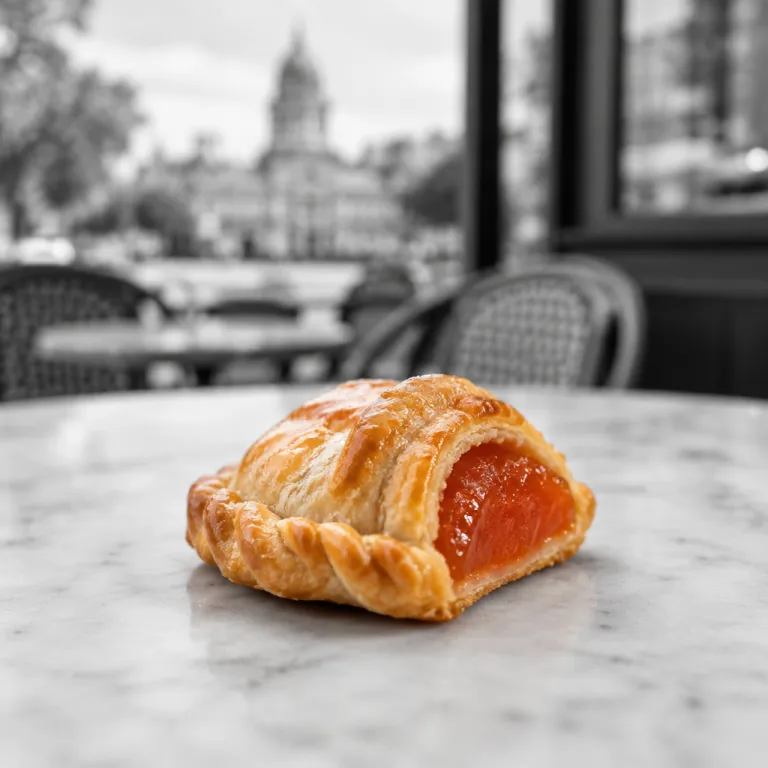
Urban dessert culture in Buenos Aires for city break travelers
Buenos Aires seduces urban travelers with Argentine desserts that feel inseparable from its streets. In a compact weekend you can taste more than one Argentina dessert while wandering between galleries, leafy plazas, and late night wine bars. Every dessert stop becomes part of the city’s rhythm, turning a simple sweet pause into a refined urban getaway ritual.
In central Buenos Aires, cafés around Avenida de Mayo and San Telmo showcase the full spectrum of Argentine desserts. Glass counters overflow with sweets based on dulce de leche, sweetened milk, and chocolate, while the hiss of the espresso machine blends with traffic outside. This is where Argentine cuisine reveals how milk, sugar, and patience transform into caramel, cream, and cream dulce that define both everyday life and special occasions.
Locals treat dessert as an extension of the paseo, the leisurely city stroll that structures many urban evenings. After an Argentine asado in a Palermo courtyard, friends often share a beloved dessert rather than rushing home. That habit means Argentine tables in the capital rarely feel complete without at least one dessert, whether a slice of chocotorta, a wedge of pastafrola, or a scoop of dense ice cream.
For visitors planning an urban getaway, timing matters almost as much as taste. Arrive early in the morning at traditional confiterías near Plaza de Mayo to see trays of facturas, those sweet pastries, leaving the ovens. Later, when the heat settles over Buenos Aires, many residents trade hot coffee for helado, the local ice cream that rivals European gelato in both texture and flavor.
Urban explorers who already enjoy refined city food trips in places like Savannah can adapt the same strategy here. Just as a food focused Savannah escape weaves meals into walks, you can map your Buenos Aires routes around dessert stops. Plan circuits that link museums, riverfront promenades, and dessert cafés so every neighborhood offers both culture and something sweet.
Short stay visitors often underestimate how central desserts are to social life in Argentina. A quick alfajor between meetings, a plate of flan mixto after lunch, or a late slice of pionono with coffee all anchor conversations. Understanding this rhythm helps you choose where to pause, which desserts to prioritize, and how to let Argentine desserts frame your urban getaway without feeling rushed or over planned.
Dulce de leche at the heart of Argentine desserts
To understand Argentine desserts in any urban setting, start with dulce de leche. This thick caramel like spread comes from cooking milk slowly with sugar until it turns into a glossy, spoonable dulce that locals treat almost as a national emblem. In Argentina, food regulations define parameters such as moisture content for dulce de leche, underscoring how seriously the country protects this ingredient.
On city breaks in Buenos Aires, you will meet dulce de leche in nearly every dessert category. It appears between layers of chocolate cookies in chocotorta, inside airy pionono rolls, and on top of flan where its caramel depth contrasts with cool cream. Many dessert recipes also blend dulce de leche with whipped cream or cream cheese, creating a softer cream dulce that spreads easily between biscuits or over cakes.
Urban cafés often offer several styles of this sweetened milk, from a lighter leche dulce to a darker, more intense version cooked longer. Some menus simply list it as dulce leche, while others specify regional variations that reflect different parts of Argentina. Whether you choose a traditional jar or a modern reinterpretation, each spoonful connects you to a long history of cooking milk and sugar over low heat in home kitchens and professional bakeries.
For travelers who enjoy structured tasting experiences, it can be helpful to compare dulce de leche across multiple Argentine dessert options. Order flan mixto, which pairs custard with both dulce de leche and whipped cream, then contrast it with budín de pan, a bread pudding baked in caramel. The first highlights silky textures and pure caramel flavor, while the second shows how stale bread, milk, and sugar can become a dense, comforting dessert.
Urban food lovers used to curated itineraries in other cities can apply the same approach here. Just as you might plan a progressive dessert walk in a coastal American city, you can design a dulce de leche themed route through Recoleta, Palermo, and Microcentro. Start with a light dessert in a quiet café, move to a richer Argentina dessert after dinner, and finish with dulce de leche ice cream as you cross a late night plaza.
Because dulce de leche appears in both humble and refined contexts, it bridges everyday snacks and special occasion Argentine desserts. You might taste it first in a simple alfajor bought from a kiosk, then later in a plated dessert at a restaurant known for contemporary Argentine cuisine. That range makes it the ideal focus for urban travelers who want one flavor thread tying together multiple neighborhoods and experiences.
Chocotorta and the modern urban sweet table
Among all Argentine desserts, chocotorta has become the emblem of contemporary urban gatherings. This no bake dessert layers chocolate cookies with a mixture of cream cheese and dulce de leche, creating a cool, dense cake that slices cleanly and travels well. In Buenos Aires apartments, chocotorta often appears at birthdays, office celebrations, and casual dinners after an Argentine asado on a city terrace.
Food historians trace how chocotorta invented a new way of using packaged chocolate cookies in home baking. Instead of relying on sponge cake or pastry, the dessert uses cookies such as Chocolinas chocolate biscuits, briefly dipped in coffee or milk. Each layer absorbs moisture from the cream cheese and dulce de leche filling, softening into a texture somewhere between cake and tiramisu.
Urban cafés have adopted this beloved dessert and now present both the classic version and more experimental variations. Some add extra chocolate ganache on top, while others incorporate liqueurs or fruit to lighten the richness. You may even find a frozen version served alongside ice cream, which suits hot afternoons in Buenos Aires when city pavements radiate heat.
For travelers, chocotorta offers a practical entry point into Argentine dessert culture. Slices are usually generous but easy to share, making them ideal for couples or small groups exploring the city. Because the dessert keeps its shape, you can even buy a portion to take back to your accommodation after a long day of walking through barrios like San Telmo or Colegiales.
Urban food itineraries that already include wine bars, cocktail lounges, and coffee houses can easily add a chocotorta stop. Pair a slice with a cortado in a quiet café, then later compare it with a more deconstructed version at a restaurant focused on modern Argentine cuisine. To deepen your understanding of local flavors, combine this dessert exploration with an elegant drinks focused evening using an urban sipping guide to Buenos Aires drinks.
Because chocotorta relies on pantry staples like chocolate cookies, cream cheese, and dulce de leche, it also travels conceptually beyond Argentina. Many visitors return home and recreate their own dessert recipes, adapting the original version to local brands while preserving the essential structure. That portability has helped transform chocotorta from a local curiosity into one of the most recognized Argentine desserts among international urban travelers.
Traditional urban sweets beyond chocotorta
While chocotorta dominates many conversations about Argentine desserts, urban getaways in Buenos Aires reveal a deeper repertoire. Classic pastries known as facturas, including medialunas, line bakery windows early each morning and pair naturally with coffee or mate. These sweet breads show how flour, milk, and sugar can become delicate layers that sustain the city’s commuters and flâneurs alike.
Another essential Argentina dessert is flan mixto, a baked custard served with both whipped cream and a generous spoonful of dulce de leche. The contrast between the cool cream, the silky egg based dessert, and the dense caramel sweetness illustrates the balance that defines much of Argentine cuisine. Many traditional restaurants in Buenos Aires list flan mixto alongside heavier options, making it a versatile finish after grilled meats or lighter urban lunches.
Pastafrola brings a different texture to Argentine dessert tables, with its shortcrust base and lattice top. Fillings usually feature quince paste or sweet potato paste, both of which offer a gentle sweetness rather than an aggressive sugar hit. In urban cafés, you may see individual tartlets as well as full pies, often served at room temperature so the butter rich pastry remains tender.
Urban dessert culture in Argentina also embraces budín de pan, a bread pudding that transforms leftover bread into something luxurious. Baked in caramel and enriched with milk, eggs, and sometimes a splash of liquor, this dessert reflects a tradition of avoiding waste while still valuing pleasure. Served in generous slices, it pairs well with a small coffee after a long day of city exploration.
For travelers who enjoy contrasting textures, pionono offers a lighter alternative. This rolled sponge cake can be filled with dulce de leche, cream, or fruit, then sliced into spiraled rounds that look elegant on Argentine tables. In Buenos Aires pastry shops, you may find both sweet and savory versions, but the dessert version remains a favorite for afternoon gatherings.
These traditional desserts show that urban Argentina balances innovation with continuity. While modern cafés experiment with new dessert recipes and plating styles, they rarely abandon the core flavors of dulce de leche, chocolate, and carefully handled milk. Exploring both older and newer sweets during your city break helps you appreciate how Argentine desserts evolve without losing their essential character.
From street cafés to refined dining: where to taste in the city
Urban travelers often ask where they should focus their dessert time in Buenos Aires. The answer depends on whether you prefer casual street level cafés, historic confiterías, or refined dining rooms that reinterpret Argentine desserts. Each setting offers a different perspective on how Argentina dessert traditions adapt to contemporary city life.
In Microcentro and around Plaza de Mayo, historic cafés serve as living museums of Argentine cuisine. Marble tables, mirrored walls, and uniformed waiters frame plates of flan mixto, slices of pastafrola, and bowls of ice cream drizzled with dulce de leche. These venues show how desserts function as part of a longer urban pause, where business meetings and family conversations stretch over several cups of coffee.
Neighborhoods like Palermo and Colegiales, by contrast, host newer cafés and dessert bars that experiment more freely. Here you might find a deconstructed chocotorta, where chocolate cookies become crumbs, cream cheese turns into an airy mousse, and dulce de leche appears as both sauce and crisp shards. Menus often highlight ingredients such as sweet potato, chocolate, and caramel in unexpected combinations that still respect traditional flavor profiles.
After an evening Argentine asado in a contemporary parrilla, many restaurants now offer dessert menus that rival those of dedicated pastry shops. You may see budín de pan served with ice cream, flan paired with seasonal fruit, or a tasting plate of small Argentine desserts designed for sharing. These options suit urban travelers who prefer to linger at the table rather than rushing out in search of a separate dessert stop.
For those who enjoy structured city itineraries, it can be helpful to integrate dessert stops into broader urban experiences. A walking route that includes riverfront views, design shops, and art spaces can finish with a quiet café serving a beloved dessert like chocotorta or alfajores. Travelers who appreciate curated city guides in other destinations can apply similar planning here, using resources such as an elegant guide to urban style activities as inspiration for pacing and structure.
Wherever you choose to sit, pay attention to how locals interact with their desserts. Some linger over a single slice while reading the newspaper, others share multiple plates among friends, and many pair sweets with carefully chosen drinks. Observing these habits helps you understand how Argentine tables function as social spaces, where dessert marks not just the end of a meal but a moment of connection within the urban landscape.
Ingredients, textures, and how to taste like a local
Understanding the building blocks of Argentine desserts will sharpen your urban tasting experiences. Milk in various forms dominates, from fresh cream to condensed and sweetened milk that eventually becomes dulce de leche. Sugar, eggs, and wheat flour complete the foundation, while chocolate, cheese, and seasonal fruits add nuance.
Many Argentine desserts rely on subtle contrasts rather than extreme sweetness. Flan balances the gentle bitterness of caramel with the softness of custard, while pastafrola offsets buttery pastry with the dense sweetness of quince or sweet potato paste. Even chocotorta, which sounds intensely rich, gains structure and restraint from the tang of cream cheese against the caramel notes of dulce de leche.
Urban travelers can taste more like locals by paying attention to temperature and texture. Ice cream in Buenos Aires is often served slightly softer than in many other countries, allowing flavors like dulce de leche, chocolate, and cream dulce to bloom on the palate. Bread based desserts such as budín de pan or medialunas show their best character when eaten fresh, ideally within hours of leaving the oven.
Cheese plays a more important role in Argentina dessert culture than many visitors expect. Beyond the cream cheese in chocotorta, you will encounter simple plates of queso y dulce, where a slice of firm cheese meets a slab of quince or sweet potato paste. This combination appears frequently on Argentine tables at home and in casual restaurants, offering a restrained, not overly sweet finish to a meal.
When tasting multiple Argentine dessert options in one day, consider alternating richer sweets with lighter choices. Follow a dense slice of chocotorta or a heavy caramel dessert with fresh fruit, a small portion of ice cream, or even a simple coffee without sugar. This rhythm mirrors how many city residents manage their own indulgence while still enjoying desserts several times a week.
Local experts often explain their favorites in straightforward terms. As one concise guide notes, “What is alfajor? A sandwich cookie filled typically with dulce de leche” and “What is dulce de leche? Cooked milk-sugar spread like caramel” and “What are facturas? Sweet pastries eaten with mate or coffee”. Keeping these definitions in mind as you order helps you navigate menus confidently and choose desserts that match both your curiosity and your appetite.
Bringing Argentine dessert inspiration back to your own city breaks
Urban getaways rarely end when the plane lands back home, especially for travelers who love food. The flavors and rituals of Argentine desserts often follow you into other cities, shaping how you approach cafés, bakeries, and dessert bars elsewhere. By translating what you learned in Buenos Aires into new contexts, you enrich future urban escapes with a distinctly Argentine lens.
One practical way to extend the experience is to recreate key Argentine dessert recipes in your own kitchen. Chocotorta adapts easily, since you can substitute local chocolate cookies for Chocolinas chocolate biscuits while preserving the balance of cream cheese and dulce de leche. Flan, budín de pan, and pastafrola also travel well as concepts, allowing you to experiment with regional ingredients such as different types of milk, sugar, or sweet potato.
As you explore other cities, look for dessert menus that echo the textures and structures you enjoyed in Argentina. A caramel heavy custard in a European bistro, a layered cookie cake in a North American café, or a cheese and fruit plate in an Asian wine bar can all recall Argentine tables. Comparing these experiences helps you understand how urban dessert cultures speak to each other while retaining their own identities.
Travelers who enjoy planning themed city breaks might even design itineraries around Argentine inspired sweets. Seek out ice cream parlors that specialize in caramel and chocolate, cafés that serve milk rich puddings, or restaurants that highlight cheese based desserts. Use your Buenos Aires memories as a benchmark, asking whether each new dessert offers the same balance of sweetness, texture, and comfort.
When you eventually return to Buenos Aires or another city in Argentina, your palate will be sharper. You will recognize how a particular version of chocotorta differs from the one you made at home, or how a new Argentina dessert trend fits into the broader history of Argentine desserts. That awareness deepens each urban getaway, turning every plate of something sweet into both pleasure and quiet study.
By treating Argentine desserts as part of a wider urban lifestyle rather than isolated treats, you align your travels with local habits. Dessert becomes a reason to pause between museums, a reward after long walks, and a thread connecting different neighborhoods and even different countries. In that sense, the sweet culture of Buenos Aires offers not just flavors but a template for more thoughtful, sensorial city breaks everywhere.
Key figures and dessert culture statistics
- Industry reports and local media frequently note that Argentines consume hundreds of millions of alfajores each year, illustrating how deeply this simple dessert is woven into everyday urban life.
- The Argentine Food Code (Código Alimentario Argentino) specifies technical standards for dulce de leche, including limits on moisture and milk solids, to ensure a consistent, spoonable texture across brands and regions.
- In many traditional cafés, dessert orders such as flan mixto or chocotorta account for a substantial share of afternoon sales, reflecting the cultural habit of pairing coffee breaks with something sweet.
- Urban ice cream parlors in Buenos Aires typically offer multiple dulce de leche variations, and these flavors often rank among their top sellers, ahead of many fruit based options.
FAQ about Argentine desserts for urban travelers
What makes Argentine desserts unique in an urban context ?
Argentine desserts stand out in cities like Buenos Aires because they integrate seamlessly into daily routines, from morning facturas to late night flan mixto. The central role of dulce de leche, high quality milk, and carefully balanced sweetness creates desserts that feel indulgent yet approachable. This combination makes them ideal companions for urban walks, café stops, and long conversations after dinner.
Which Argentine desserts should I prioritize on a short city break ?
On a brief visit, focus on chocotorta, flan mixto, and at least one serving of dulce de leche ice cream. Add a slice of pastafrola or a portion of budín de pan if you enjoy pastry and bread based sweets. These choices give you a representative view of textures and flavors without overwhelming your schedule or palate.
Where in Buenos Aires can I best experience traditional desserts ?
Historic cafés and confiterías in central neighborhoods such as Microcentro, San Telmo, and Recoleta offer the most classic settings. There you will find flan mixto, medialunas, and other traditional sweets served in elegant, often century old interiors. Newer cafés in Palermo and Colegiales complement this experience with modern interpretations of the same core desserts.
How do locals usually enjoy dessert after an Argentine asado ?
After an Argentine asado, many locals prefer simple but satisfying desserts that contrast with the richness of grilled meat. Common choices include flan with dulce de leche, chocotorta, or a plate of queso y dulce featuring cheese and quince or sweet potato paste. These options provide sweetness without feeling excessively heavy, allowing conversations to continue comfortably.
Can I recreate Argentine desserts at home after my urban getaway ?
Yes, many Argentine dessert recipes adapt well to home kitchens using locally available ingredients. Chocotorta is particularly accessible, since you can substitute regional chocolate cookies and combine them with cream cheese and dulce de leche. Flan, budín de pan, and pastafrola also translate easily, letting you revisit the flavors of Buenos Aires during future city breaks elsewhere.