Why famous drinks in Argentina belong on every urban getaway
Argentina’s cities are shaped as much by their streets as by their glasses. When you plan an urban escape, understanding the most famous drinks in Argentina will deepen every café stop, rooftop pause, and late-night bar conversation. In Buenos Aires or Córdoba, each traditional drink carries Argentine history, South American migration stories, and the rhythm of daily life.
Local residents treat each beverage as a social ritual, whether they are sharing yerba mate in a shaded plaza or raising glasses of Malbec wine in a San Telmo wine bar. These drinks are not just refreshments; they are a method for connecting with people, reading the city’s tempo, and understanding how Latin America’s cultures blend in one metropolis. For urban travelers, learning how to order, sip, and share these specialties can turn a simple stop at a corner café into a long, memorable encounter.
From morning café con leche to late-night fernet mixed with cola, every Argentine drink has its own time slot in the city’s day. You will notice that hot drinks dominate early hours, while chilled wine and herbal cocktails take over as the sun drops behind high-rises. To navigate this liquid itinerary, we will move through plazas, cafés, vermouth bars, and rooftop terraces, always tying each drink to a specific urban moment.
Mate in the city: how urban travelers should share Argentina’s iconic infusion
Yerba mate is the defining herbal drink of Argentina, and you will see it everywhere in urban parks and riverside promenades. Locals prepare this infusion in a hollowed gourd, fill it with yerba, then add hot water and sip through a metal straw called a bombilla. “What is mate? Infusion of yerba mate leaves, sipped socially from a bombilla” — this definition captures both the drink and the ritual.
In Buenos Aires, drinking mate in public squares is a daily scene, with students, families, and office workers passing the same gourd in a slow circle. The method is simple but precise: hot water must be below boiling, otherwise the yerba burns and the mate turns bitter too quickly. When you are invited to share, remember that you should drink all the liquid before passing the gourd back, and you should not move the metal straw.
Urban cafés now offer mate cocido, which is yerba mate prepared in tea bags and served like regular tea in porcelain cups. This version suits travelers who want the flavor of drinking mate without carrying a thermos of hot water through busy streets. Pair a cup of mate cocido with an afternoon pastry break, and read more about these urban merienda moments and Argentine snacks that match the city’s slower late-afternoon pace.
From café bar to corner counter: coffee culture and daytime city sipping
Urban mornings in Argentina begin with the hiss of espresso machines and the clink of small cups on marble tables. The classic order is café con leche, a balanced mix of strong coffee with hot milk that anchors the first hours of work or sightseeing. Many cafés also serve café con crema or simple espresso, but café con leche remains the most common drink in dense business districts.
For travelers exploring famous drinks in Argentina, these coffee bars are perfect observation posts for city life. You will see regulars reading the Spanish-language newspapers, office workers negotiating over a quick drink, and retirees stretching a single cup long into the morning. Some places offer a small glass of sparkling water beside your coffee, a subtle reminder that hydration matters in a city where people talk as much as they sip.
Sweet options appear behind the counter, where baristas prepare hot chocolate con leche or tea with lemon and mint for those who prefer softer drinks. In cooler months around October, many locals choose a hot tea or herbal infusion to warm up after walking along breezy avenues. For a deeper dive into how hotel restaurants now compete with street cafés, explore this guide to urban kitchens inside hotels that locals queue for and see how coffee and food rituals are shifting indoors.
Evening rituals: vermouth, fernet, and the rise of the urban aperitif
As daylight softens, Argentine cities slide into aperitif hour, when glasses of vermouth and fernet appear on sidewalk tables. Vermouth in Argentina is a wine-based fortified drink scented with herbal botanicals, usually served over ice with a slice of orange peel and sometimes a splash of soda water. In neighborhoods like Palermo or Chacarita, entire bars now focus on vermouth drinks, offering both classic labels and new craft versions such as La Fuerza or El Profeta.
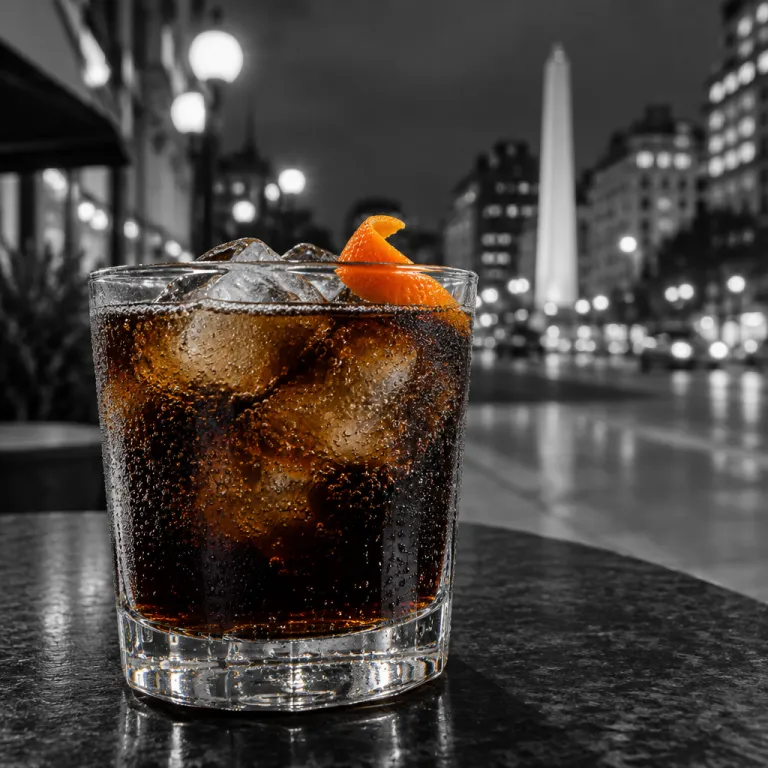
Fernet con Coca-Cola is another essential part of famous drinks in Argentina, especially in Córdoba and Buenos Aires nightlife districts. “What is fernet con coca? Herbal bitter liqueur mixed with cola, iconic Argentine cocktail” — this description explains why the drink has become a national party symbol. The method is straightforward: bartenders pour a measure of fernet, add plenty of cola, and pack the glass with ice, creating a long drink that balances bitter and sweet.
Urban travelers who enjoy nightlife should pair these aperitifs with an evening walk through bar-dense streets, then continue toward clubs or live music venues. For ideas on where to go after your vermouth or fernet drink, consult this guide to urban nightlife hotspots and music scenes across major cities. Whether you choose vermouth, fernet, or both, these drinks connect you directly to contemporary Argentine social life.
Wine in the metropolis: Malbec, white wine, and urban tasting rooms
Argentina ranks among the world’s leading wine producers, and its cities function as elegant showrooms for that vineyard power. Malbec wine from Mendoza dominates most lists, but urban bars also highlight white wine from regions like Salta and Patagonia. Many wine bars offer tasting flights that let you compare Argentine terroirs without leaving Buenos Aires or Rosario.
For travelers focused on famous drinks in Argentina, these tasting rooms provide a structured method for understanding how South American landscapes shape each glass. Staff often explain how altitude, soil, and water management influence the wine, turning a simple drink into a compact geography lesson. While Argentina is not the largest producer in Latin America by volume, its reputation for quality Malbec and value-driven wines has grown steadily in export markets.
Urban wine bars sometimes experiment with cocktails that blend wine, citrus, and herbal notes, such as spritz-style drinks with orange peel and mint. These options suit visitors who prefer lighter drinks before a long dinner in the city. Whether you choose a focused Malbec tasting or a refreshing white wine spritz, you will experience how Argentine wine culture has moved from rural vineyards into sophisticated urban spaces.
How Argentina’s drinks connect cities across South America
Many famous drinks in Argentina are part of a wider South American story that stretches beyond national borders. Yerba mate, for example, is native to regions spanning northern Argentina, southern Brazil, and Paraguay, and it remains central to daily life across this zone. When you see people drinking mate in Montevideo, Asunción, or Buenos Aires, you are witnessing a shared regional habit rather than a single country’s custom.
The same cross-border pattern appears with wine and sugarcane spirits, which link Argentina to other Latin American producers. “Why is Malbec famous in Argentina? High-altitude terroir in Mendoza produces rich, globally prized Malbec wine” — this fact explains why international travelers often start their South America wine education in Argentine cities. From there, they may continue toward other producers in Chile or Uruguay, comparing methods and styles while keeping Buenos Aires as their urban base.
Even small details, such as using a metal straw for mate or adding a spoon of sugar to a hot herbal tea, show how traditions circulate through families that have moved between countries. In many households, children grow up with mate cocido in tea bags, then graduate to a shared gourd and hot water thermos as they become adults. For urban travelers, recognizing these links will make each drink-in-Argentina moment feel like part of a much larger South America narrative.
Key statistics about Argentina’s urban drink culture
- Argentina ranks fifth worldwide in wine production, according to 2022 data from the International Organisation of Vine and Wine (OIV), which means urban travelers can sample a broad range of Argentine wine styles without leaving major cities.
- Industry estimates based on Argentine market data indicate that roughly three-quarters of global fernet consumption takes place in Argentina, highlighting how deeply this herbal drink is embedded in local nightlife and bar culture.
- Malbec remains the flagship Argentine wine in export markets, with Mendoza’s high-altitude vineyards providing the majority of premium bottles poured in urban wine bars across Buenos Aires and other cities.
- Yerba mate consumption per capita in Argentina is among the highest in the world, according to figures from the National Institute of Yerba Mate (INYM), which explains why drinking mate in public spaces is a daily sight in almost every urban neighborhood.
FAQ about famous drinks in Argentina for urban travelers
What are the most famous drinks in Argentina’s cities?
The most famous drinks in Argentina’s urban areas include yerba mate, Malbec wine, vermouth, fernet mixed with cola, and café con leche. You will also encounter mate cocido in tea bags, herbal teas with lemon or mint, and regional white wine options. Each drink has its own moment in the city’s daily rhythm, from morning coffee to late-night cocktails.
How should I drink mate respectfully in Buenos Aires?
When someone offers you a mate gourd, accept it with one hand, sip all the hot water through the metal straw without stirring, then return it to the server. Do not say anything special until you no longer want more, at which point a simple “gracias” signals that you are finished. In cafés, ordering mate cocido is easier for beginners who prefer a cup rather than sharing a communal gourd.
Is tap water safe for preparing drinks in Argentina’s cities?
In major cities like Buenos Aires, Córdoba, and Rosario, tap water is generally considered safe for preparing hot drinks such as tea or coffee. Many locals still prefer filtered water for taste when making yerba mate or herbal infusions. If you have a sensitive stomach, using bottled water for cold drinks can provide extra reassurance.
Where can I taste Malbec and other wines without visiting vineyards?
Urban wine bars and specialized shops in Buenos Aires, Mendoza City, and other large centers offer curated tastings of Malbec and white wine from across the country. These venues often organize flights that compare regions, grape varieties, and winemaking methods. This approach lets you explore famous drinks in Argentina while staying close to museums, theaters, and nightlife.
Are there non-alcoholic options that still feel authentically Argentine?
Yes, several non-alcoholic drinks are central to Argentine urban life, including yerba mate, mate cocido, herbal teas with lemon or mint, and hot chocolate con leche. Fresh juices and flavored waters also appear on many café menus, especially during warmer months. Choosing these options allows you to participate fully in local rituals without consuming alcohol.