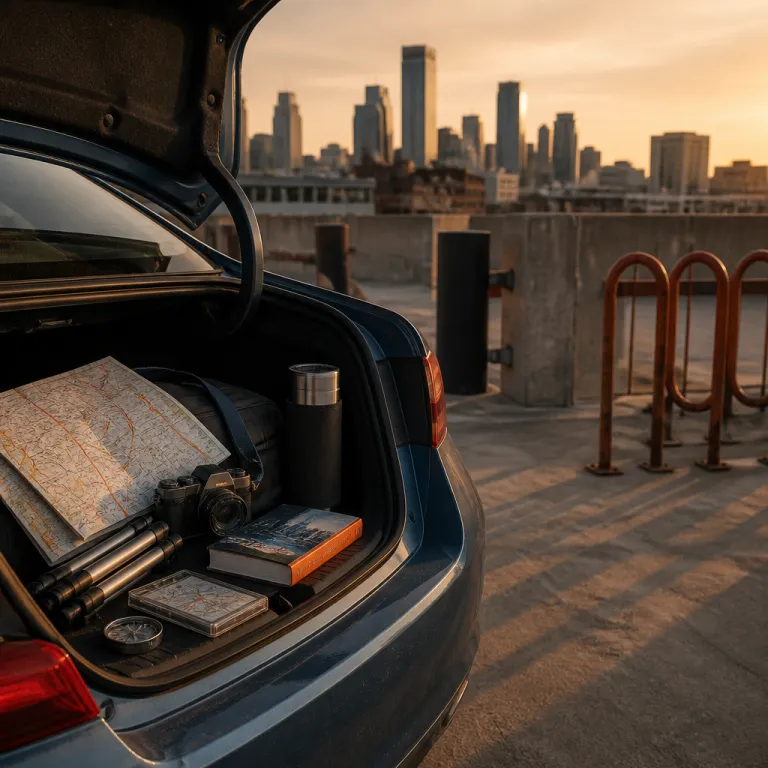
Designing an east coast road trip for urban weekend escapes
Planning an east coast road trip starts with clarity about your urban travel style. Many road trippers want a flexible route that threads together dense city neighborhoods, a scenic coastal highway, and quick access to a nearby park or beach. When you align each day with a specific city mood, the drive between stops becomes part of the experience rather than lost time.
The classic route runs from Maine in the north to Florida in the south, covering roughly 3,200 kilometers (about 2,000 miles) along the Atlantic coast of the United States. This distance reflects cumulative mileage reported in U.S. Department of Transportation highway summaries and state tourism corridor maps that track the main coastal arteries. Travel agencies often suggest a 14 to 21 day itinerary, yet urban weekend getaways can be carved from this longer road by focusing on two or three cities at a time. Spring and autumn are widely regarded as the best seasons for this kind of trip, a view echoed by National Park Service visitor statistics that show milder temperatures and lighter crowds in these shoulder months.
Before you visit any major city, check your vehicle carefully and understand regional traffic rules along the East Coast. Driving a personal car or a rental on a United States highway requires attention to variable speed limits, toll systems, and parking regulations that change from one state park region to another. Using navigation apps for the drive is helpful, but pairing them with a printed map keeps your road journeys resilient if mobile coverage drops along a remote stretch of the Atlantic shoreline.
From maine harbors to boston streets: compact urban breaks
Starting your east coast road trip in Maine offers an immediate contrast between rugged shorelines and compact harbor towns. Many visitors pair a visit to Portland’s working waterfront with a day trip to nearby islands, using ferries to reach quiet streets that still feel connected to the mainland road network. This balance between island calm and city energy sets a refined tone for the rest of the journey.
Urban travelers often combine Maine’s coastal cities with a stop at Acadia National Park, where granite cliffs and forest trails sit within a short drive of Bar Harbor’s cafés. Acadia National Park and its surrounding towns work well for long weekends, because you can spend one day hiking, another exploring galleries, and a final morning on a scenic coastal road before heading south. The area’s national park infrastructure is well maintained, which makes it easier to move between trailheads and nearby accommodation without wasting time.
Continue your road trip south to Boston, a city that rewards slow walking and careful neighborhood hopping. The best urban weekends here weave together the Freedom Trail, the waterfront, and smaller parks that soften the dense grid of streets. For a concrete example, one compact two day pattern involves parking in a central garage near the downtown waterfront, spending the first afternoon following the Freedom Trail on foot, then devoting the next morning to the Seaport and nearby green spaces before driving out in the late afternoon.
New york city and washington D.C.: dense culture on a linear route
Any carefully planned east coast road trip aimed at urban getaways will almost certainly include New York City. This metropolis compresses art, food, and nightlife into walkable districts, which makes it ideal for a three day stop within a longer road itinerary. Parking can be complex, so many drivers leave the car at a secure garage on the edge of the city and rely on public transport for the duration of their visit.
From New York City, the drive south to Washington D.C. follows one of the busiest segments of the East Coast, yet it remains manageable with thoughtful timing. Leaving early in the day or late in the evening reduces congestion on the main highway arteries, and it gives you more time to enjoy each city’s museums and waterfronts. This stretch of the Atlantic seaboard is also where many road trippers first sense the cultural shift from the Northeast to the Mid-Atlantic and upper South.
Washington D.C. itself is a refined stop for urban travelers who appreciate architecture, public spaces, and free national museums. The city’s monumental core sits close to residential neighborhoods with strong dining scenes, which makes it easy to design a weekend that moves from the National Mall to quieter streets without long drives. For a structured cultural stay, some visitors follow a curated plan similar to a refined three day itinerary for exploring Washington D.C.’s urban highlights, then rejoin the road trip south toward Virginia and beyond.
Blue ridge, shenandoah, and great smoky: nature framed by city stays
Urban focused travelers sometimes overlook the Blue Ridge Mountains, yet this region can elevate an east coast road trip by adding dramatic scenery between cities. Skyline Drive runs along the crest of Shenandoah National Park in Virginia and connects at Rockfish Gap with the Blue Ridge Parkway, which then continues southwest toward Great Smoky Mountains National Park on the border of North Carolina and Tennessee. Because these national parks sit within a day’s drive of several mid sized cities, they work well as restorative pauses between denser urban weekends.
Shenandoah National Park lies only a few hours from Washington D.C., which makes it a practical detour for travelers who want mountain air without abandoning city comforts for long. A typical pattern involves leaving the city in the morning, driving Skyline Drive with stops at a few overlooks and short trails, and spending the night in a nearby town before returning to the main coastal corridor the next day. This rhythm allows you to enjoy both the great smoky vistas of the Blue Ridge and the cultural depth of East Coast cities within the same trip.
Farther south, Great Smoky Mountains National Park anchors a region where small cities and mountain communities intersect. While the park itself is not directly on the Atlantic coast, it can be integrated into a broader United States road itinerary that loops inland before returning to the shoreline. Travelers who appreciate both national parks and urban nightlife often find that alternating Smoky Mountains hikes with evenings in nearby cities keeps the overall road trip experience balanced and engaging.
Coastal south, outer banks, and island time
As your east coast road trip bends toward the south, the character of the shoreline changes noticeably. North Carolina’s Outer Banks offer a string of barrier islands where lighthouses, dunes, and small towns line the road in a way that feels distinct from the rocky shores of Maine. Many itineraries schedule at least one full day here, using the time to alternate between beach walks, historic sites, and relaxed drives along the water.
The Outer Banks region pairs well with inland cities such as Raleigh or Wilmington, allowing you to combine island calm with urban dining and cultural venues. Because this part of the Atlantic coast can be exposed to storms, it is wise to monitor weather forecasts closely and keep your drive plans flexible. State park facilities along the route provide structured access to beaches and trails, which helps protect the fragile coastline while still welcoming visitors.
Continuing south, the road leads through South Carolina and Georgia toward Florida, where the atmosphere shifts again. Coastal cities such as Charleston and Savannah offer cobbled streets, shaded squares, and easy access to nearby beach districts, making them ideal for long weekend city breaks within a longer road trip. By the time you cross into Florida, many travelers have settled into a rhythm where each new city, island, or beach becomes a distinct chapter in their United States journey.
Florida finale: from cape cod echoes to key west evenings
Although Cape Cod sits in Massachusetts rather than Florida, many travelers mentally link its relaxed coastal villages with the laid back mood they seek at the southern end of an east coast road trip. If your schedule allows, pairing a few days on Cape Cod at the beginning of the journey with time in Florida at the end creates a pleasing symmetry of beach focused urban escapes. Both regions offer compact towns where you can park the car once and explore on foot or by bicycle.
Within Florida, Miami and its neighboring beach districts provide a dynamic mix of high rise skylines, art deco streets, and long stretches of sand. Urban travelers often structure their visit around distinct neighborhoods, spending one day in the Design District, another in South Beach, and a final day exploring quieter residential areas before returning to the main road. This approach keeps the trip from feeling rushed, even when the drive between cities covers long distances.
For many, Key West serves as a symbolic endpoint to the journey, where the road quite literally runs out at the southern tip of the state. The drive along the Overseas Highway, with its sequence of islands and bridges, feels like a slow transition from mainland intensity to island time. As one planning guide notes, “What is the best time for an East Coast road trip? Spring and fall offer mild weather and fewer tourists,” a conclusion supported by climate summaries from Florida tourism offices and National Park Service seasonal advisories.
Urban strategy: timing, budgets, and the last city walk
Designing an elegant east coast road trip for urban getaways requires more than plotting dots on a map. You need to think in terms of clusters of cities, nearby national parks, and coastal stretches that can be reached within a half day drive. This structure allows you to adapt the trip length, whether you have a single long holiday or prefer several shorter road journeys across the year.
Budget wise, a realistic average for a mid range traveler is around 140 to 160 USD per person per day, based on data from specialist road travel platforms and crowd sourced cost trackers that monitor typical spending on accommodation, food, and activities. These estimates align with mid range figures reported by organizations such as AAA and consumer travel surveys. Costs rise in major hubs such as New York City and Boston, then ease slightly in smaller coastal towns and inland cities near state park gateways. Booking accommodation and key attractions in advance, especially in popular national parks like Acadia National Park or Great Smoky Mountains National Park, protects both your schedule and your wallet.
To keep each city stay memorable, treat the final hours before you drive away as a distinct ritual. Many experienced travelers now plan a dedicated “last walk” that links a favorite park, a final café stop, and a route back to the car. This simple habit turns departure time into a curated moment rather than a rushed exit, reinforcing the sense that every segment of the coastal highway contributes to the overall narrative of your United States journey.
Key figures for an east coast road trip focused on cities
- The full drive from Maine to Florida along the East Coast typically covers about 3,200 kilometers, which translates to roughly 2,000 miles according to U.S. Department of Transportation mileage summaries and state tourism corridor data; this distance allows for multiple city and national park stops without excessive daily driving.
- Most travelers allocate between 14 and 21 days for a complete east coast road trip, a range that balances time in major cities such as Boston and New York City with detours to national parks like Acadia National Park and Shenandoah National Park, as reflected in sample itineraries published by tour operators and regional visitor bureaus.
- An average daily budget of around 150 USD per person is often cited for this style of trip, covering mid range accommodation, meals, fuel, and entrance fees to state park and national park sites across the United States, based on aggregated figures from travel cost comparison studies and AAA style trip calculators.
- Spring and autumn are consistently identified as the most comfortable seasons for an east coast road trip, because temperatures are milder and crowds are lighter in both northern cities and southern beach destinations such as the Outer Banks and Florida’s coastal towns, a pattern reflected in National Park Service visitation data and state tourism climate summaries.
FAQ about an east coast road trip for urban getaways
What is the ideal duration for an east coast road trip focused on cities ?
A well balanced urban oriented east coast road trip usually lasts between 14 and 21 days. This duration allows for two to three nights in major hubs such as Boston, New York City, and Washington D.C., plus shorter stays in coastal cities and nearby national park gateways. Travelers with less time often split the route into regional segments, such as Maine to New York City or Washington D.C. to Florida.
When is the best time to drive the east coast for urban getaways ?
Spring and autumn are widely regarded as the best seasons for an east coast road trip that combines cities, beaches, and parks. Temperatures are comfortable for walking in dense urban areas, and humidity is lower in southern states such as North Carolina and Florida. These shoulder seasons also bring fewer crowds to national parks like Acadia National Park and Shenandoah National Park.
Which cities are essential on an east coast road trip itinerary ?
For an urban focused itinerary, most travelers prioritize Boston, New York City, and Washington D.C. as core stops. Many then add smaller coastal cities such as Portland in Maine, Charleston in South Carolina, and Miami in Florida to diversify the trip. This mix of large and mid sized cities creates a richer sense of the United States along the Atlantic coast.
How can I integrate national parks without losing urban comfort ?
The key is to choose parks that sit within a half day drive of major cities and to limit each wilderness segment to one or two nights. Acadia National Park pairs naturally with coastal Maine towns, Shenandoah National Park works well as a break from Washington D.C., and Great Smoky Mountains National Park can be combined with nearby cities in North Carolina and Tennessee. This pattern keeps you close to urban amenities while still enjoying scenic drives and mountain trails.
Is it better to drive my own car or rent for an east coast road trip ?
Both options work, but many international visitors prefer renting a vehicle for flexibility and reliability. Rental cars are widely available in major cities along the East Coast, including Boston, New York City, and Miami, and they often come with modern navigation systems that simplify the drive. Domestic travelers sometimes choose their own car for familiarity, provided they complete a full mechanical check before starting the trip.