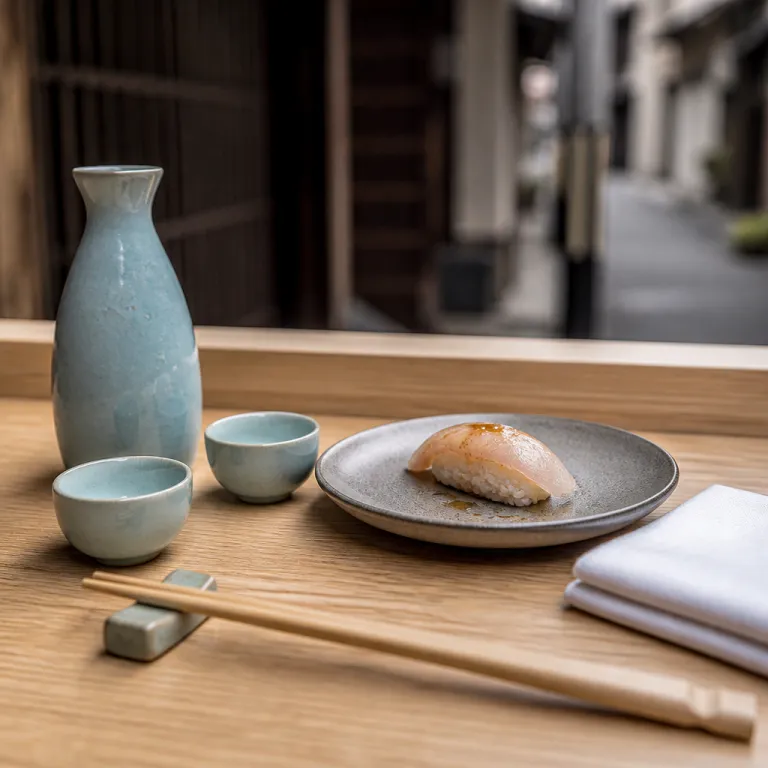
Japan gastronomy cities culinary travel guide for the solo urban diner
Japan has become a benchmark for urban food travel, and its newest gastronomy cities now rival the big names. This Japan gastronomy cities culinary travel guide focuses on how a solo traveler can move between neon train station hubs, quiet backstreets and late night counters while keeping every meal intentional and rooted in local culture. As you plan a trip that might start in Tokyo or Kyoto, think of these four awarded cities as the places where your time stretches further and the food drink experiences feel more personal.
The Gastronomic City Award now highlights Yoichi Town, Hachinohe City, Hida City and Hita City as leaders in regional food tourism in Japan. According to the Gastronomic Cities Research Association of Japan, “An award recognizing cities for excellence in gastronomy and tourism integration.” signals that these places have aligned local producers, markets and restaurants around a shared vision of sustainable growth. For an independent traveler who values traditional Japanese cooking as much as contemporary design, that alignment matters more than any single famous sushi counter.
Think of this as a Japan gastronomy cities culinary travel guide written at street level rather than from a hotel lobby. You will visit compact neighborhoods where a fish market sits three minutes from a sake bar, and where a morning food tour can end in a tea ceremony above a shop that still blends its own leaves. These are cities where experiences Japan wide trends, like shojin ryori or natural wine, are filtered through local history and priced 30 to 50 percent below comparable meals in central Tokyo or Kyoto.
Tokyo and Kyoto: essential anchors, not the whole story
Tokyo remains the obvious starting point for any Japan gastronomy cities culinary travel guide, yet it should not be the only chapter. Use the capital as your laboratory for understanding Japanese food codes, from counter only ramen joints near major train station hubs to the lingering etiquette of the tea ceremony in quiet residential streets. Once you learn these rhythms, you will travel more confidently into the newer gastronomy cities where English menus are rare but smiles are not.
Begin with a morning at the outer Tsukiji fish market, where the legacy of tsukiji fish auctions still shapes how chefs buy and talk about freshness. Walk the narrow lanes, taste skewered street food, and watch how local buyers move with purpose between knife shops and dried seaweed stalls. This is where a guide Japanese chef can explain why certain cuts of tuna end up in high end sushi while others fuel the everyday food drink culture of izakaya bars across Japan.
Kyoto, by contrast, teaches restraint and seasonality, especially around Nishiki Market where traditional Japanese pickles, tofu and sweets line a covered arcade. A focused food tour here can introduce shojin ryori temple cuisine, matcha based tea and the quiet craft of wagashi making class experiences. For a deeper sense of how one street can tell an entire culinary story, study the way we map a single block in our guide to one block, three meals and a city’s food story.
Yoichi and Hachinohe: northern ports, markets and sake culture
Head north and the Japan gastronomy cities culinary travel guide shifts from skyscrapers to fishing ports and vineyards. Yoichi Town on Hokkaidō’s coast has built a reputation around wine and sake breweries that work closely with local restaurants to create tightly curated pairing menus. Here you will visit compact tasting rooms where Japanese winemakers talk about maritime climate, then send you to a nearby izakaya for grilled seafood that tastes like the sea outside the window.
Hachinohe City, further along the northern coastline, is where the fish market becomes the city’s true civic square. Arrive before sunrise and you will travel through rows of tsukiji fish style auctions, then sit at a counter for sushi that was still swimming an hour earlier. Solo travelers can join informal food tour walks that thread from the morning market to yatai style street food alleys, where beer, sake and hot plates of seafood keep the night going.
These northern cities also show how urban getaways in Japan can intersect with nature, since national parks and rugged coastlines sit within easy reach of the city centre. A short train station hop can take you from a dense market district to a quiet trailhead, making it possible to pair a day of hiking with an evening of refined local cooking. For more on how nightlife and food scenes intersect in compact districts, see our guide to what supermarket aisles reveal about a city’s food culture.
Hida and Hita: river towns, hot springs and slow food itineraries
Turn inland and the Japan gastronomy cities culinary travel guide leads you to Hida City in the mountains and Hita City in Kyūshū’s river valleys. Hida is synonymous with Hida beef, yet the more interesting story lies in how traditional Japanese herbal knowledge shapes broths, pickles and side dishes. Many local restaurants work directly with farmers who grow medicinal herbs, creating menus where every food drink pairing feels quietly intentional.
Hita City, by contrast, leans into water, timber and slow travel, with riverside streets that glow softly at night. Here you will visit small sake breweries that still use wooden vats, then slip into a hot spring before an intimate kaiseki style dinner. Prices for multi course meals and characterful stays often run 30 to 50 percent below what you would pay in central Kyoto, which means your trip can stretch to an extra night or an unplanned cooking class.
Both cities reward travelers who treat them as bases rather than quick stops, using local train station hubs to reach nearby villages and national parks. You might join morning cooking classes focused on regional miso, then spend the afternoon at a riverside café watching the light change over old warehouses. For evenings when you want to swap quiet streets for a louder soundtrack, our guide to urban nightlife hotspots and music scenes can help you frame which Japanese cities suit your preferred after dark tempo.
How to eat like a local: counter culture, classes and seasonal timing
Any serious Japan gastronomy cities culinary travel guide must address how to navigate meals as a solo traveler who may not speak Japanese. Counter seating is your ally, whether you are slurping ramen in Tokyo, tasting sake in Yoichi or ordering sushi in Hachinohe. Sit where you can watch the cooking, point politely, and let the chef guide your choices while you learn the unspoken rules of pace and portion.
Structured experiences Japan wide, such as a cooking class or more advanced cooking classes, can anchor your itinerary and deepen your understanding of regional dishes. In Kyoto, a tofu focused making class might explain why certain soy textures pair best with specific teas, while in Hida a workshop could introduce shojin ryori techniques adapted to mountain vegetables. Look for sessions that limit group size, use local markets as classrooms and include a short tea ceremony or sake tasting to frame the meal.
Timing matters too, especially if you want to align your trip with cherry blossom season or autumn foliage without paying peak Tokyo prices. Consider planning around shoulder periods when the weather is mild, the national parks near Hida and Hita are accessible, and reservations at sought after restaurants feel less like a competitive sport. Build in unscheduled time for wandering markets, because the most memorable food tour moments often happen between planned stops, when a side street stall or tiny tea shop quietly claims your afternoon.
Practical planning: routes, budgets and where new hotels fit in
Designing a route through these gastronomy cities starts with accepting that you will not taste everything, and that is part of the pleasure. A classic arc for a first or second trip might run Tokyo – Hachinohe – Hida – Kyoto – Hita, using the rail network to keep travel times efficient and views cinematic. This pattern lets you experience Japan’s largest fish market culture, coastal sake breweries, mountain herbs and river town kaiseki without backtracking.
New properties in major hubs can frame the urban ends of your journey, especially if you value design and a strong sense of place. In Kyoto, the Imperial Hotel Kyoto occupies the restored Yasaka Kaikan building, where tatami rooms and contemporary detailing create a bridge between traditional Japanese aesthetics and modern comfort. In Tokyo, 1 Hotel Tokyo in the Akasaka World Gate precinct uses biophilic interiors and natural materials to soften the city’s intensity, giving you a calm base between forays to markets and nightlife districts.
Budget wise, the key advantage of these newer gastronomy cities is value, since equivalent meals and stays often cost significantly less than in central Tokyo or Kyoto. That price difference means you can add an extra night, upgrade one special dinner or invest in a high quality cooking class without stretching your finances. Treat this Japan gastronomy cities culinary travel guide as a framework, then adjust the ratio of cities, markets and hot spring interludes to match your own appetite for movement and stillness.
FAQ
What is the Gastronomic City Award in Japan ?
The Gastronomic City Award in Japan recognizes cities that excel in both gastronomy and tourism integration, based on criteria such as local food culture, visitor experience and sustainability practices. Recent awardees include Yoichi Town, Hachinohe City, Hida City and Hita City, which have all invested in markets, producers and culinary events. For travelers, the award acts as a reliable signal that a city offers concentrated, high quality food experiences worth a dedicated visit.
How should I plan a route that includes the new gastronomy cities ?
A practical route for food focused travel might start in Tokyo for orientation, then continue north to Hachinohe and Yoichi before looping back through Hida, Kyoto and Hita. Using the rail network keeps journeys efficient and allows you to experience both major hubs and smaller cities without renting a car. Aim to spend at least two nights in each gastronomy city so you can explore morning markets, evening izakaya streets and one structured activity such as a cooking class or guided tasting.
Are these gastronomy cities suitable for solo travelers who do not speak Japanese ?
Yes, these cities are increasingly welcoming to solo travelers, and counter dining culture makes it easy to eat well without a companion. While English may be less common than in central Tokyo, simple phrases, translation apps and a willingness to point at menus usually suffice. Booking at least one guided food tour or market walk in each city can also ease the language barrier and introduce you to places you might not find alone.
How much cheaper are secondary gastronomy cities compared with Tokyo and Kyoto ?
In many cases, meals and accommodation in cities such as Hida, Hita, Yoichi and Hachinohe cost roughly 30 to 50 percent less than comparable options in central Tokyo or Kyoto. That difference is most noticeable with multi course dinners, sake tastings and characterful stays in historic buildings. The lower prices make it realistic to extend your trip, add a hot spring detour or invest in higher quality culinary experiences without dramatically increasing your overall budget.
When is the best time to visit Japan’s gastronomy cities for food experiences ?
Each season offers distinct advantages, from spring cherry blossom viewing with light, delicate menus to autumn harvest periods with richer flavors and mountain produce. Shoulder seasons around these peaks often provide the best balance of availability, comfortable temperatures and manageable crowds. Whenever you go, align your dates with local festivals or market events where possible, since these gatherings concentrate regional food culture into a few vivid days.