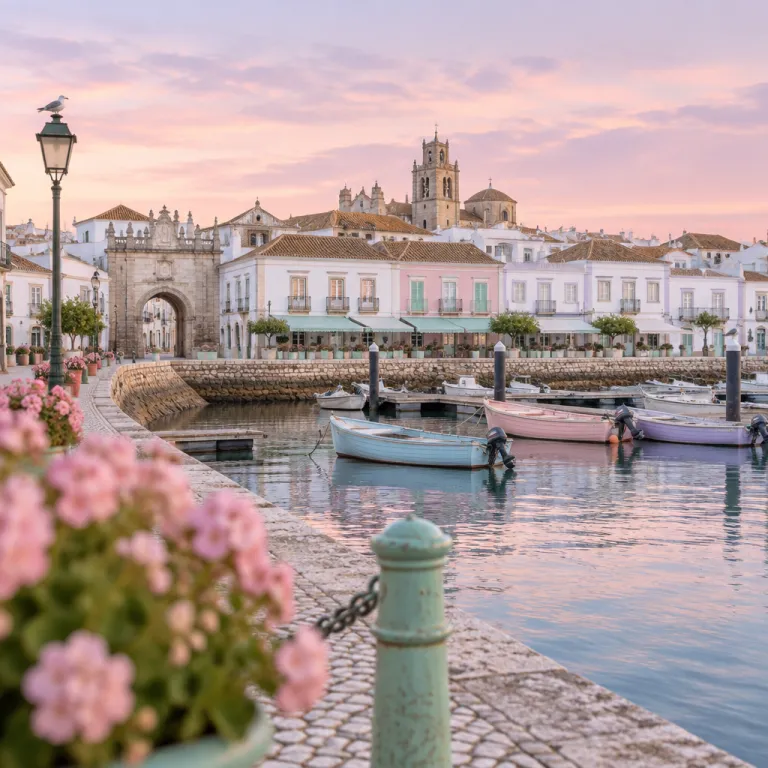
Why a self guided walking tour of Faro suits urban explorers
A self guided walking tour of Faro suits travelers who like to move at their own rhythm. In this compact city in southern Portugal, the historic centre, marina, and waterfront sit within easy walking distance, which makes Faro ideal for independent urban getaways. You can pause for coffee, extend a city walk into the evening, or shorten a route when the Algarve sun feels intense.
The old town of Faro, often called Cidade Velha, rewards slow walking with layered history and atmospheric streets. Within a short walk you move from the medieval Arco da Vila gate to the whitewashed Largo de São Francisco and onward to the waterfront facing the Ria Formosa lagoon. This density of sights allows several different walking tours in Faro Portugal to fit into one day without feeling rushed.
Independent travelers often prefer a flexible tour rather than a tightly timed guided walking schedule. In Faro city you can still benefit from the expertise of a professional guide by using a well designed app or printed city walk map, while keeping the freedom of a self guided approach. This balance between structure and spontaneity is especially appealing for urban travelers who already know how they like to walk a town.
Designing your ideal route through Faro’s historic heart
Start your walk at the marina, a central point that is easy to reach from most Faro Algarve accommodations. From here, face the water then turn inland toward the walled town, where the Arco da Vila gate marks the symbolic entrance to the historic city Faro. This first short distance sets the tone for a tour Faro visitors remember for its calm streets and elegant architecture.
Pass under Arco da Vila and follow the cobbled route toward the cathedral square, keeping an eye on the opening hours of museums if you plan to step inside. Faro Cathedral, also known as Sé de Faro, anchors this part of town with its bell tower and mix of Gothic and Baroque details. Many walking tours in Faro Portugal include a climb to the top, where the view stretches across the tiled roofs of the city and out to the Ria Formosa wetlands.
From Faro Cathedral, continue your self guided walking route toward Largo de São Francisco, a broad square that often feels quieter than the main tourist streets. This part of town works well as a pause point during longer walking tours, especially in the warmer Algarve months. If you prefer more structured commentary, you can compare your own notes with a scheduled guided walking experience later in the day, perhaps after enjoying a drink at a rooftop bar that reflects the wider character of its hotel, as explored in this piece on a rooftop bar as a window into a property’s soul.
Key stops, addresses, and timing for an elegant city walk
Planning a refined self guided walking tour in Faro means thinking in hours rather than minutes. Allow at least two to three hours for the core city walk, which includes the marina, Arco da Vila, Faro Cathedral, Largo de São Francisco, and the waterfront facing the Ria Formosa. This distance is modest, yet the density of viewpoints, churches, and cafés encourages unhurried walking.
Begin at Jardim Manuel Bivar, the central garden near the marina, whose address (Praça Dom Francisco Gomes, 8000-168 Faro) is easy to locate on any city Faro map or walking tour app. From this point, the route to Arco da Vila at Largo da Sé, 11, 8000-138 Faro takes only a few minutes on foot, but you may linger to photograph the façades or note the history plaques that explain how Faro Portugal evolved as a trading town. Many free walking maps from the tourist office, available at the Turismo de Faro desk on Rua da Misericórdia, highlight this same route, which shows how closely self guided and guided walking experiences overlap in the city.
Families or remote workers combining Faro Algarve with longer stays elsewhere in Portugal often use the city as a gentle introduction to the region. If you are planning an extended urban escape, you might pair Faro with another compact city that suits pedestrians, such as Dublin, where this guide to refined stays for remote workers highlights walkable neighbourhoods and calm work friendly spaces. For parents, Faro’s manageable scale can echo the approach described in this article on experiencing a city with children who resist traditional sightseeing, where the emphasis falls on real streets, local parks, and everyday cafés rather than only major monuments.
Using apps, free tours, and local insight without losing independence
Urban travelers considering a self guided walking tour in Faro often ask whether they should also book free tours or paid guided options. The answer depends on how much commentary you want during your walk and how comfortable you feel navigating a historic town alone. In Faro city, both approaches coexist easily, and many visitors combine a morning of free walking with an afternoon guided walking session.
Several operators in Faro Portugal offer free tours that run at set hours, usually starting from the marina or another central point. These free walking tours Faro options typically follow a similar route through the old town, passing Arco da Vila, Faro Cathedral, Largo de São Francisco, and the waterfront near the Ria Formosa. Joining one early in your stay can give you a structured overview of the city’s history before you design your own self guided city walk for later days.
Digital tools also support independent walking tours in Faro Algarve without overwhelming the experience. Many travelers now rely on a simple app that shows offline maps, opening hours for key sights, and the address of each stop on a suggested route. This light touch technology keeps you oriented while leaving space for local encounters, such as a conversation with a café owner in the São Pedro district or a spontaneous detour down a side street that catches your eye. One local barista near Rua de São Pedro once summed it up neatly: “People arrive for the cathedral, but they fall in love with the small streets on the way back.”
Reading Faro’s layers of history through streets and squares
A thoughtful self guided walking tour in Faro becomes a way to read the city’s history in its stones. The old town’s layout reflects centuries of change, from Roman foundations to medieval walls and later reconstructions after earthquakes and conflicts. As you walk, each square and church reveals a different chapter in how Faro Portugal connected the Algarve to wider trade routes.
Near Arco da Vila, look for remnants of the original defensive walls that once protected the town from attacks by sea. The route from this gate to Faro Cathedral passes houses with wrought iron balconies and azulejo tiles, details that speak to the prosperity of merchants who traded through the city’s port. When you reach Largo de São Francisco, the open space and nearby convent buildings hint at the religious and civic roles this area played in earlier centuries.
Beyond the formal sights, quieter streets in the São Pedro parish show how everyday life in Faro Algarve continues alongside tourism. Here, a city walk might pass small groceries, local bars, and residential buildings where laundry hangs above narrow lanes. Observing these details during your walking tours helps balance the grand narrative of history with the lived reality of a working town, which is often what urban getaway travelers value most.
Practical tips for an elegant, low stress walk in Faro
To keep your self guided walking tour in Faro comfortable, plan around the Algarve climate and your own pace. Start early in the morning or later in the afternoon, when the light is softer and the streets feel calmer. Midday hours can be reserved for a long lunch, a shaded café stop, or a short rest at your accommodation.
Footwear matters more than many urban travelers expect, even in a compact city Faro. Cobblestones along the main walking tour route can be slippery, especially near the marina and inside the walled town, so choose shoes with good grip and support. Carry water, sun protection, and a light layer for breezier moments near the Ria Formosa waterfront, where the air can feel cooler than in the sheltered streets.
Finally, treat your tour Faro plan as a framework rather than a strict schedule. If a side street in São Pedro looks inviting, allow yourself to walk that extra distance and see where it leads. The most rewarding walking tours in Faro Portugal often emerge when a carefully prepared route meets a willingness to pause, adjust, and follow the subtle rhythms of the city itself.
Key figures for urban walking in Faro
- The historic centre of Faro covers roughly 1 square kilometre, which allows most visitors to complete a relaxed city walk in 2 to 3 hours, including photo stops and short café breaks (based on municipal tourism maps published by Câmara Municipal de Faro and average walking speeds of 4–5 km/h).
- The Ria Formosa Natural Park extends for about 60 kilometres along the Algarve coast, and boat tours from Faro provide access to several barrier islands within 30 to 45 minutes of the city (according to summary figures from the Ria Formosa Natural Park management plan and regional tour operator schedules).
- Faro’s average daytime temperature ranges from about 16 °C in winter to around 29 °C in peak summer, which strongly influences the best hours for a self guided walking tour (data compiled from the Portuguese Institute for Sea and Atmosphere climate normals for Faro station).
- Walking at a moderate pace of 4 to 5 kilometres per hour, most travelers can cover the main old town loop from the marina through Arco da Vila, Faro Cathedral, Largo de São Francisco, and back in under 90 minutes of pure walking time, leaving extra time for visits and breaks (calculated using standard urban walking speeds and distances measured on municipal maps).
- Public transport from Faro Airport to the city centre typically takes 15 to 20 minutes by bus or taxi, which makes it feasible to plan a short walking tour even on arrival or departure days (based on regional bus timetables for routes 14 and 16 and average taxi journey times reported by local operators).
FAQ about self guided walking in Faro
How long does a self guided walking tour in Faro usually take ?
Most travelers spend between two and four hours on a self guided walking tour in Faro, depending on how many interiors they visit. A basic loop through the marina, Arco da Vila, Faro Cathedral, Largo de São Francisco, and the waterfront can be walked in about 90 minutes, but café stops and viewpoints easily extend the experience. Urban getaway travelers often plan half a day to keep the pace relaxed.
Is Faro a good city for first time visitors to Portugal who like walking ?
Faro is an excellent starting point in Portugal for travelers who enjoy walking because the historic centre is compact and largely flat. Clear signage, a visible waterfront, and a limited distance between key sights make navigation straightforward even without a guide. This combination of scale and clarity suits visitors who want to build confidence before exploring larger cities.
Do I need a guided walking tour, or is self guided enough in Faro ?
A self guided route is enough for many visitors, especially those who enjoy reading about history in advance or using a well designed app. However, a guided walking tour can add depth through local anecdotes, architectural details, and context that might not appear on information panels. Some travelers choose both, taking a free walking tour early in their stay, then revisiting favourite areas independently.
What should I wear and bring for a city walk in Faro ?
Comfortable shoes with good grip are essential because many streets use polished cobblestones. Light, breathable clothing, a hat, sunscreen, and a refillable water bottle help manage the Algarve sun, especially in warmer months. A small day bag for a camera, map, or app enabled phone keeps your hands free while walking.
Is Faro safe for solo travelers who want to walk the city ?
Faro is generally considered safe for solo travelers, including those walking alone during daylight and early evening. As in any city, it is wise to stay in well lit areas at night, keep valuables secure, and follow local advice from your accommodation or the tourist office. Many solo visitors report feeling comfortable exploring the old town and waterfront on foot.