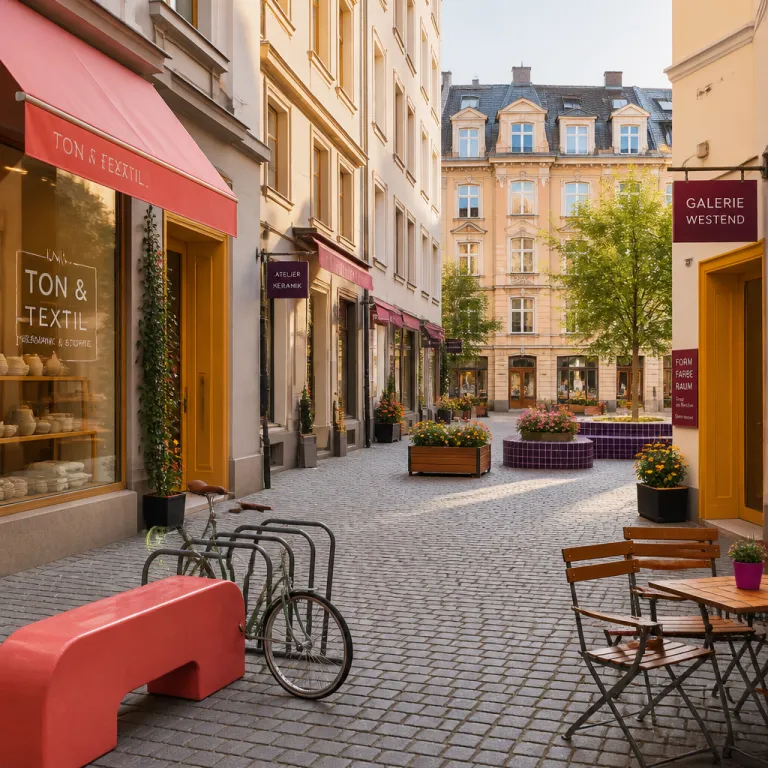
Why Munich’s Westend is redefining the urban weekend
Munich’s Westend is where the city’s industrial past meets a modern creative pulse. Former factory blocks now house design studios, independent cafés and a quietly confident hotel scene that suits a design-led city break more than the postcard old town. This is the Westend district at its most authentic, with everyday streets rather than souvenir shops setting the tone for a relaxed Munich city break.
Urban renewal projects and community initiatives have turned this once working class neighborhood into a multicultural hub with more than 25 nationalities represented. Local government and cultural organisations have backed architectural preservation and public art installations, so the streets feel both lived in and carefully edited. When you stay on this side of Munich, you sense the town scale of the district while still enjoying fast access to the wider city.
Westend sits just west of the city centre, a short walk or two U-Bahn stops from the town hall on Marienplatz via Schwanthalerhöhe or Heimeranplatz. That central location means you can reach the Pinakothek museums, the Isar River and the Englischer Garten in under 20 minutes, yet return to a quieter grid of streets at night. For couples comparing hotels across Munich, this balance of calm neighborhood life and easy access to major sights is often the deciding factor.
Locals will tell you that Westend is known for its multicultural community and evolving design scene, and the official line confirms it with the statement: "What is Westend known for?" followed by the answer: "Its multicultural community and evolving design scene." That reputation now extends to the way you stay, from contemporary rooms to relaxed suites that frame city views rather than tourist crowds. For an urban getaway that feels more like joining a local rhythm than ticking off attractions, this part of Munich is one of the best places to start.
The Dean Munich: where Art Nouveau meets club culture
The Dean Munich anchors the story of Westend’s new hotel scene on Landsberger Straße 68–72. The property occupies an Art Nouveau building whose curves and cornices have been reinterpreted with a playful, 1980s club culture edge by designer Tatjana von Stein. An oversized eye motif appears across the hotel, from the lobby to the bar, giving the rooms and public spaces a subtle sense of theatre.
With around 280 rooms and suites, The Dean Munich feels substantial yet still reads as a design focused hotel rather than a generic city motel. Standard rooms are compact but well planned, with modern materials, good lighting and city views that remind you why you chose to stay in Westend instead of the busier city centre. Couples should look at the larger rooms and suites on the upper floors, where the extra space and softer acoustics make a weekend stay feel more like a private apartment.
The food and drink programme is unusually ambitious for design hotels in Munich at this price point. Ibasho, the in house restaurant, blends Japanese and French influences into a fine dining experience that still feels relaxed enough for a late arrival after a delayed train station connection. Four different bars, including a hidden speakeasy style bar, mean you can shift from pre dinner drinks to a nightcap without ever leaving the Westend hotel base you have chosen.
For couples who usually scroll through an Expedia hotel list when planning a city break, The Dean Munich stands out as a property where the public spaces matter as much as the room. The lobby and restaurant bar are designed as social hubs for both guests and local residents, which keeps the atmosphere lively but not chaotic. If you enjoy the kind of urban stays featured in curated guides to elegant wine country escapes, such as an elegant San Francisco and Napa Valley itinerary, you will appreciate the same attention to detail here in the heart of Munich.
From industrial yards to design streets: walking Westend
Westend’s transformation from industrial yards to design streets is best understood on foot. Start on Kazmaierstraße, where cafés spill onto the pavement and local residents share tables with visiting architects and museum curators. This is where the idea of a design-forward Westend hotel stay becomes tangible, because the neighbourhood itself feels like an extended lobby.
Within easy walking distance of The Dean Munich, you will find small galleries, design workshops and public art installations that speak to the district’s creative evolution. Spaces such as Lothringer 13 Halle and nearby project rooms showcase contemporary work, while urban renewal projects have preserved historic façades and allowed modern interiors, so you move between old brick warehouses and glass fronted studios in a few minutes. The result is a town like intimacy within a major city, which is rare even in a country as carefully planned as Germany.
Westend’s location also works well for classic sightseeing without the pressure of staying in the busiest part of the city centre. A short walk or tram ride on lines 18 or 19 brings you to the Theresienwiese, home to Oktoberfest and other major festivals, while the main train station is close enough for day trips yet far enough to keep the streets calm at night. From here, you can reach the Isar River, the English Garden and the Pinakothek museums faster than many central hotels, because you avoid the densest tourist traffic.
For travellers who enjoy design led itineraries such as an elegant East Coast road trip through vibrant American cities, Westend offers a similarly layered urban narrative in a compact radius. You can move from a gallery opening to a neighbourhood restaurant bar, then back to your room or suites level in under ten minutes. That efficiency, combined with the area’s multicultural energy, makes Westend one of the best places to stay in Munich for a long weekend.
Eating, drinking and unwinding: Westend for couples
For couples planning a stay in the Westend district, the dining scene is a major part of the appeal. Westend leans towards independent kitchens rather than chains, with everything from contemporary Bavarian plates at Wirtshaus am Bavariapark to Middle Eastern sharing menus at places like Shawarma Alshami within a few blocks. The result is a town like patchwork of flavours that feels more local than the restaurant clusters around the town hall.
Inside The Dean Munich, Ibasho offers a refined take on Japanese French fine dining that suits a special night without requiring formal dress. The four bars, including the hidden speakeasy, give you options for a quiet drink or a more social evening, all within the same central location. Even if you usually prefer to explore restaurant bar options across the city, you may find yourself returning here for at least one nightcap.
Outside the hotel, Westend’s cafés and wine bars are some of the best places in Munich to feel the city’s creative side. Many are within walking distance of your hotel, so you can move between a natural wine bar such as Bar Mural, a contemporary bistro on Gollierstraße and a late night espresso on Kazmaierstraße without needing a taxi. The atmosphere is relaxed but well curated, with interiors that echo the modern lines and warm materials you see in the rooms and suites upstairs.
Wellness in Westend is more about slow mornings and riverside walks than grand spa complexes, although several hotels in Munich offer spa access if you want a dedicated session. From Westend, a short walk or tram ride brings you to the Isar River paths, where locals run, cycle and swim in summer. If you prefer green space with a more manicured feel, both the Englischer Garten and the English Garden area near the city centre are easy to reach for a few quiet hours between museums and bars.
Planning your Westend stay: practical tips and city context
Munich consistently ranks among Europe’s cities with the highest quality of life, yet it remains under represented in Anglophone travel media compared with Berlin. That imbalance is slowly shifting as travellers realise how well the city works for a long weekend, especially when you base yourself in a neighbourhood like Westend. For couples seeking a design hotel in a lived in district, the combination of infrastructure, culture and calm is hard to beat.
Reaching Westend is straightforward, with direct flights from many North American and European hubs and an efficient S-Bahn and U-Bahn network from the airport. From the main train station, it is a short walk or one stop on public transport to The Dean Munich and other places to stay in the district. Once checked in, you can rely on trams and your own feet, as most key sights are within walking distance or a brief ride from this central location.
When comparing hotels across Munich on platforms such as Expedia, pay attention to the exact location rather than just the city centre label. Properties in Westend often offer better value, more modern rooms and a stronger connection to local life than some addresses closer to the town hall. If you usually filter for an Expedia hotel with a spa, a good restaurant bar and contemporary rooms and suites, you will find that Westend properties meet those criteria while adding a more authentic neighborhood feel.
For travellers who enjoy exploring cities with layered identities, similar to the way East and West intersect in Macau’s double identity city break, Munich offers its own duality. The city balances order and surprise, with world class museums and sights sitting alongside experimental galleries and bars in areas like Westend. That mix, supported by a local community invested in design focused tourism, makes this quarter one of the most compelling places to stay in Munich for repeat visits.
FAQ
What is Westend in Munich known for?
Westend in Munich is known for its multicultural community, historic industrial architecture and evolving design scene. The district has shifted from factories to creative studios, galleries and independent eateries over recent decades. Visitors experience a neighbourhood that feels both authentically local and increasingly focused on design led tourism.
How has Westend changed over time?
Westend has moved through several phases, from an industrial area serving the city’s factories to a post war residential zone and, more recently, a creative hub. Urban renewal projects have preserved many historic façades while allowing modern interiors and public art to reshape the streets. This gradual gentrification has attracted designers, young professionals and travellers interested in architecture and culture.
Is Westend a good area to stay for a city break?
Westend is an excellent area to stay for a city break, especially for couples who value design, food and a local atmosphere. The neighbourhood offers a central location with easy access to the city centre, the main train station and major museums, yet remains quieter than the old town at night. Hotels in Westend, including design focused properties like The Dean Munich, provide modern rooms and suites within walking distance of cafés, bars and galleries.
What can you do in Westend besides staying at a hotel?
Beyond the hotel scene, Westend offers a dense network of cafés, independent restaurants, small galleries and design shops. You can explore Kazmaierstraße, attend local design events, visit art spaces and enjoy public art installations that reflect the area’s creative energy. The district also provides quick access to citywide sights, so you can combine neighbourhood wandering with visits to major museums and riverside walks.
How close is Westend to Munich’s main sights and green spaces?
Westend sits just west of Munich’s city centre, placing it within a short walk or tram ride of the town hall, the main train station and several major museums. The Isar River and the Englischer Garten are easily reached by public transport or bicycle from the neighbourhood. This proximity allows visitors to enjoy both urban culture and generous green spaces during a single weekend stay.
Trusted references
For further factual context on Munich and Westend, consult: Munich Documentation Centre for the History of National Socialism, the official Munich Tourism Board, and the Bavarian State Ministry for Housing, Building and Transport.